Rainforest lodges, slow trains and community-first choices across the island
Sri Lanka packs rainforests, tea country, wildlife parks and golden beaches into one small island, which makes it both a wonderful and a fragile destination. Travellers can help protect it by making thoughtful choices about where they stay, how they travel and who benefits from their spending. Small decisions add up, from choosing locally guided treks to refilling water bottles. Best eco friendly hotels and resorts in Sri Lanka for a sustainable holiday are a great place to start, and here are eight ways to make your trip more sustainable.
-
Stay at a Genuine Eco-Lodge
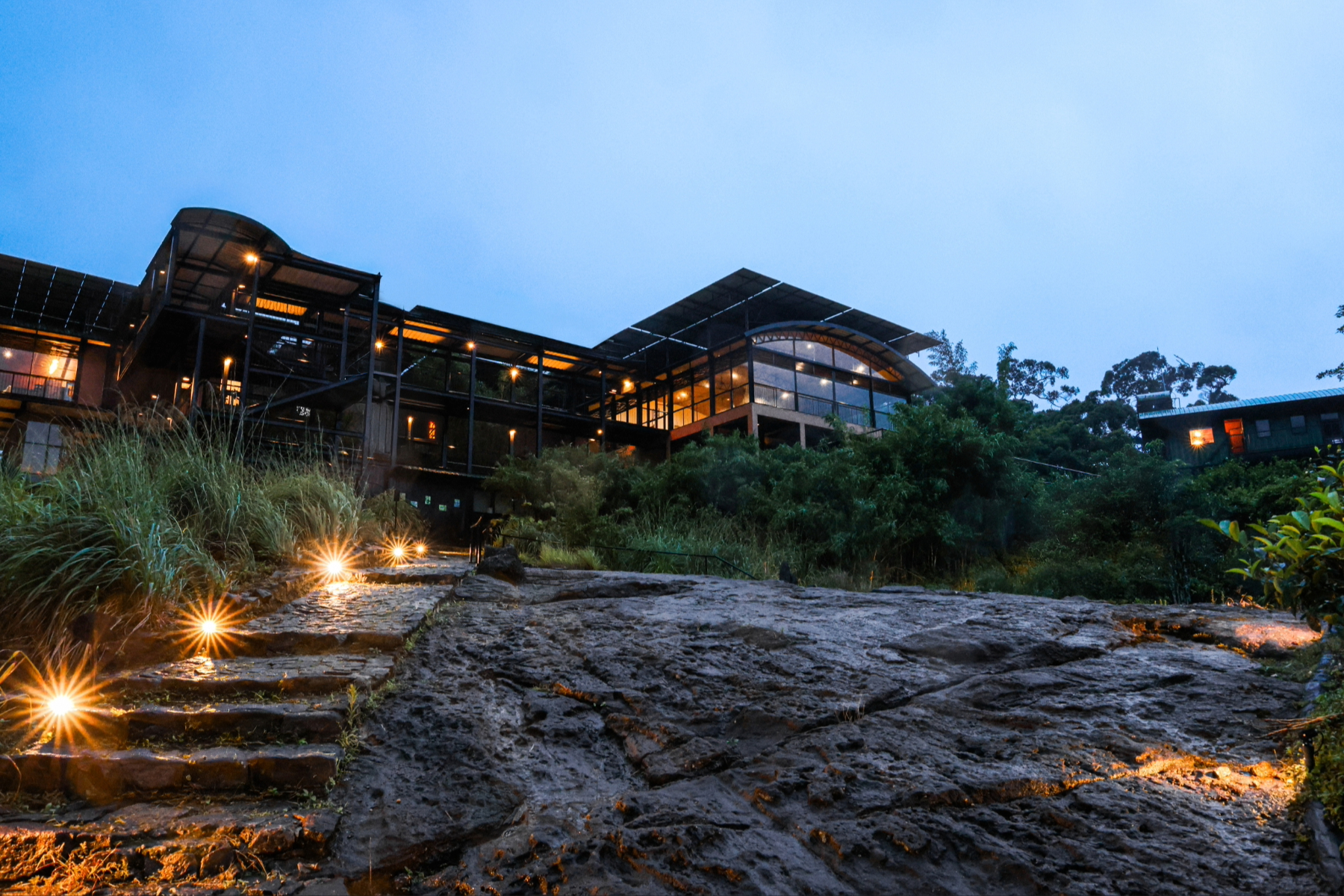
Where you sleep has a big impact. Rainforest Ecolodge on the borders of the Sinharaja Rainforest was classified as Sri Lanka’s first ecolodge by the Sri Lanka Tourism Development Authority. Its chalets are built using eco-friendly, recycled materials on the 500-acre Enselwatte Tea Estate.
Key Highlights:
- Sri Lanka’s first SLTDA-classified ecolodge
- Chalets built with eco-friendly, recycled materials
- Set on a 500-acre tea estate
- Bordering a UNESCO World Heritage rainforest
Waking up beside a biodiversity hotspot is a powerful reminder of why these places need protecting.
Best for: Nature lovers who want their stay to support conservation.
-
Explore with Local Guides
Local guides share knowledge and earn a living from protecting nature. At Rainforest Ecolodge, guided treks follow trails such as Sinhagala and Moulawella into Sinharaja.
Key Highlights:
- Guided rainforest treks
- Sinhagala and Moulawella trails
- Waterfall walks
Best for: Hikers and curious travellers.
-
Watch Wildlife Responsibly
Sinharaja is home to more than 150 bird species, including the endemic Sri Lanka Blue Magpie. Observing quietly with expert guides helps protect fragile habitats.
Key Highlights:
- Birdwatching with experts
- Endemic species
- Low-impact observation
Best for: Birders and photographers.
-
Support Community Projects
Choose hotels that invest in local people. Rainforest Ecolodge supports a tea worker community with better living conditions and estate employment.
Key Highlights:
- Community-focused tourism
- Local employment
- Better living conditions
Best for: Travellers who want positive local impact.
-
Travel by Train
Sri Lanka’s scenic railway, especially through the hill country, is a lower-impact way to travel and one of the island’s great experiences.
Key Highlights:
- Scenic hill-country routes
- Lower-emission travel
- Local encounters
Best for: Slow travellers.
-
Eat Local and Seasonal
Sri Lankan rice and curry, fresh fruit and local seafood support farmers and fishers while cutting food miles.
Key Highlights:
- Local rice and curry
- Seasonal fruit
- Small family restaurants
Best for: Food lovers.
-
Choose Ethical Wildlife Experiences
See elephants in the wild at national parks rather than riding them, and choose operators who respect safe distances.
Key Highlights:
- Wild elephant viewing in national parks
- No riding or performances
- Respectful safari operators
Best for: Animal lovers.
-
Cut Down on Plastic
Carry a reusable bottle and bag, and choose hotels with refill stations to reduce plastic waste on beaches and in forests.
Key Highlights:
- Reusable water bottles
- Refill stations
- Avoid single-use plastic
Best for: Every traveller.
Conclusion
A sustainable Sri Lanka holiday is easier than it sounds. Rainforest Ecolodge is ideal for nature lovers who want to stay in Sri Lanka’s first SLTDA-classified ecolodge, with guided Sinharaja treks, birdwatching and community-focused tourism on a working tea estate. Slow travellers should take the train, food lovers can eat local and seasonal, animal lovers should choose ethical wildlife experiences, and every traveller can cut plastic. Together, these choices help protect the island for future visitors.
Sources