An Overview
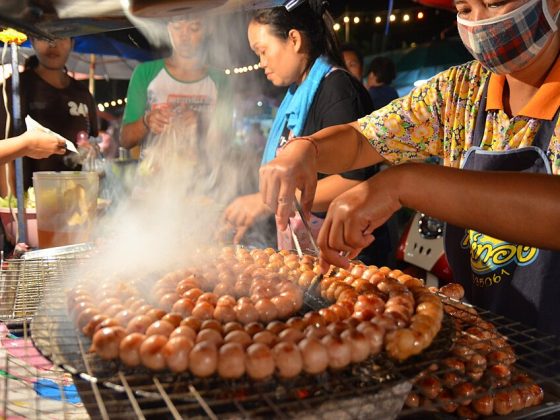
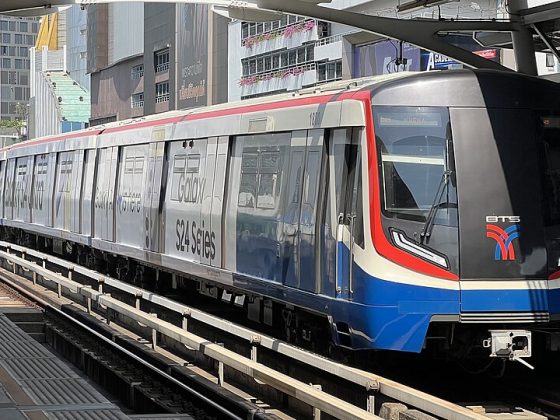
Bangkok is undoubtedly one of the best destinations for extended travel, drawing corporate expatriates, digital nomads and long-term vacationers. Offering an incredible mix of vibrant street life, world-class dining and diverse neighbourhoods, the Thai capital ensures that there’s something for everyone.
But organising a stay that extends beyond a week raises a crucial logistical choice: deciding between a traditional hotel or a serviced apartment. Both options offer comfortable lodging, but they cater to very different lifestyles and financial structures. This guide breaks down how they compare across Bangkok’s urban landscape so that you can make the right choice for your extended stay.
A Quick Comparison
| Feature | Traditional Hotels | Serviced Apartments |
| Space & Layout | Single rooms centred around the bed; rare or minimal kitchenettes | Multi-room options, fully equipped kitchens and designated laundry areas |
| Pricing Model | Daily rates, minor discounts for long stays. High seasonal fluctuation | Tiered monthly/yearly contracts; significantly lower per-night cost |
| Services | Daily housekeeping, 24/7 room service, extensive concierge assistance | Housekeeping 2–3 times a week; independent utilities handling, basic front-desk |
| Vibe | Hospitality-driven, tourist-centric hubs | Residential, localized neighborhood feel |
Accommodation
The biggest differences between standard hotels and serviced apartments lie in spatial layout and utility. Traditional hotel rooms are designed for short-term comfort. Even the most luxurious property will offer rooms with a singular living-sleeping space. However, this lack of distinction between spaces for sleeping, relaxing and working isn’t all that great for longer stays; it can start to feel restrictive, especially when you have to live out of suitcases for weeks.
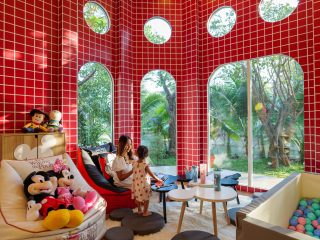
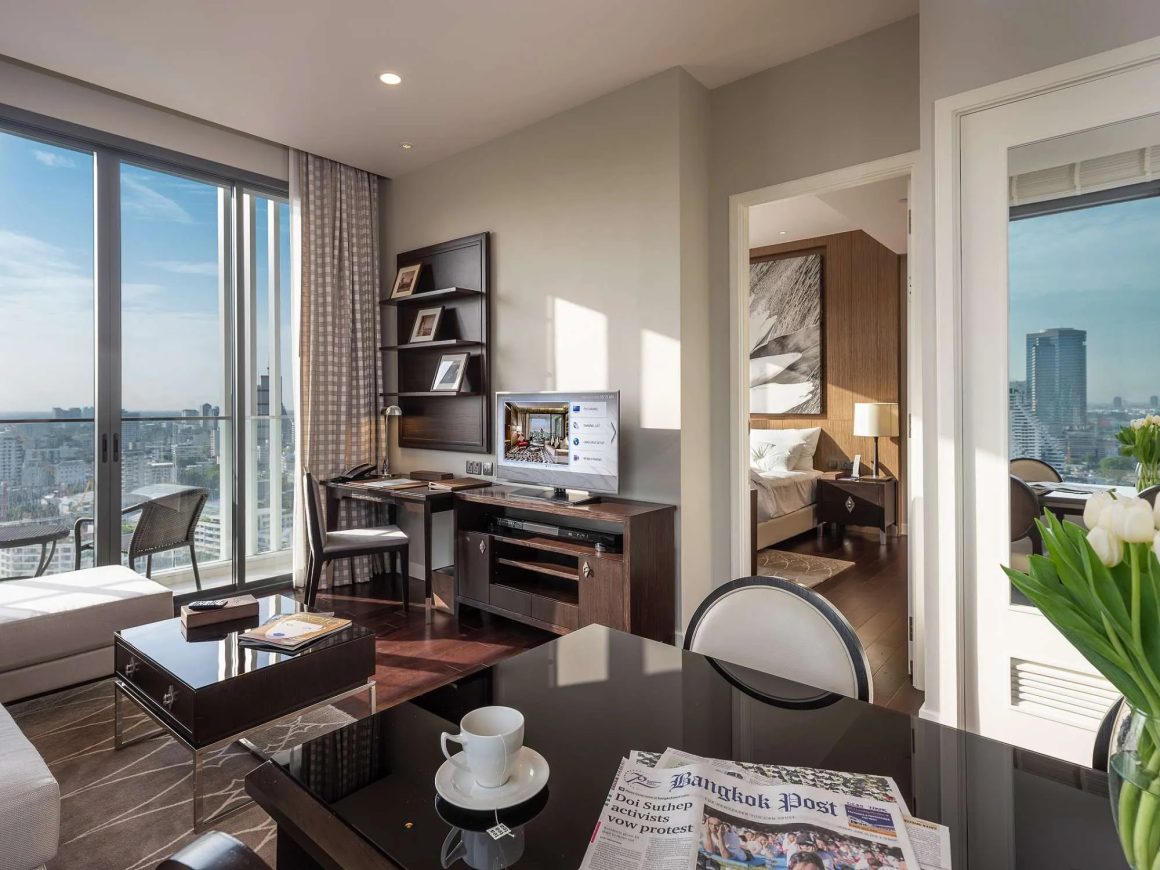
By contrast, serviced apartments or residences, such as 137 Pillars Suites & Residences Bangkok, are quite similar to residential homes. They always feature distinct spaces – separate bedrooms, living rooms, fully-functional kitchens with appliances and more. Many units also include in-room washing machines and a balcony for drying clothes, all of which save you from additional laundry bills and trips to outside laundromats. Think of these properties as hotels in Bangkok for long stays with full residences and kitchen facilities; they’re homely but also ensure that every moment of your stay is nothing less than comfortable.
Cost
From a financial perspective, hotels run on transient daily rates. While there are a few of them in Bangkok that offer weekly or even monthly packages, they rarely match the economies of scale provided by serviced apartments. Hotel pricing is strongly tied to the peak tourism seasons in Bangkok (November to March), which means that long-stay guests can face sudden rate hikes or booking displacement if their stay extends into peak months.
Serviced apartments, however, are designed around a contractual duration. Committing to a 1-month, 3-month, or 6-month lease drastically reduces the average nightly rate—often by 40% to 60% compared to a hotel of the same quality. Furthermore, these apartments often combine utility bills (often for water, Wi-Fi and electricity) into a single, predictable monthly fee. This makes your living expenses far more manageable and transparent.
Vibe & Experiences
Staying at a hotel means immersing yourself in the hospitality ecosystem. You are treated to daily housekeeping, evening turndown services, a staffed concierge to manage your transport or reservations, and instant access to on-site bars, fine dining, and room service. However, all of this comes with a transactional atmosphere and the constant flow of neighbour-guests as tourists cycle through the hallways quite frequently.
Serviced apartments provide a more integrated lifestyle. Often located off the main tourist strips in residential areas like Phrom Phong, Ari or Ekkamai, these properties allow you to experience the city like a local. Interacting with long-term residents, shopping at local markets, and establishing a daily, domestic routine are all part of the experience. Also, many of the on-site services are dialled back; you may have access to standard pools and gyms, but housekeeping may visit only once or twice a week. This fosters a private, quiet environment that feels genuinely yours.
Best For
Hotels are best for corporate travellers in the city on brief assignments (under 3 weeks), luxury seekers who enjoy pampering, and those with schedules that require constant administrative support, room service and immediate access to areas like Asoke or the Siam interchange.
Serviced apartments are best suited for digital nomads, expats relocating permanently, and travelling families. They are also ideal for remote workers planning to stay in Bangkok for a month or longer and who require a functional workspace, home-cooked meals and a tranquil environment.
Conclusion
Choosing between a hotel and a serviced apartment in Bangkok will ultimately depend on your lifestyle priorities and the length of your stay. If your goal is to simply relax without lifting a finger, hotels are your best bet for an unparalleled escape. However, true long-term stays are best enjoyed at serviced apartments that successfully bridge the gap between hospitality and home. They offer the right infrastructure you need to maintain a healthy work-life routine, save significantly on dining and lodging costs, and seamlessly embed yourself into one of Asia’s most dynamic cities.
References:
https://bangkokserviceapartments.com/serviced-apartments-vs-hotels-bangkok/
https://www.superagent.co/en/blog/extended-stay-hotels-vs-monthly-condos-in-bangkok-cost-comparison
https://www.mews.com/en/blog/difference-between-serviced-apartments-hotels