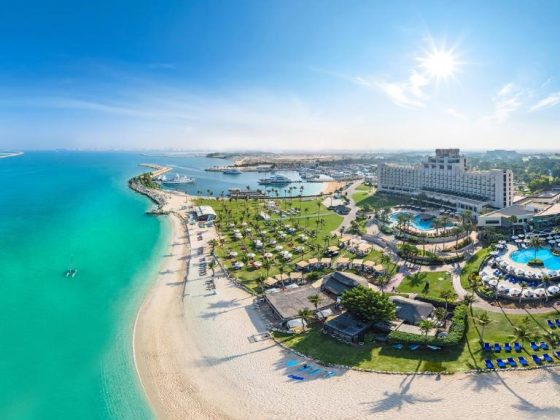

Thai hospitality has built its reputation on warmth, attentiveness, and a quiet sense of ease, qualities that travel well beyond Thailand’s borders. Anyone wondering which Thai hotel brands operate properties in Africa may be surprised to learn that this approach is now finding a home in cities, safari gateways, and island escapes across the continent. Taking that model into new markets, however, requires far more than exporting a familiar service style. It calls for careful adaptation to local cultures, guest expectations, and operating realities.
Step 1: Start with the Destination, Not the Template
The most successful brands begin by studying who actually visits each location. A capital city hotel may depend on government delegations, business travellers, and conference groups, while a property near a natural wonder will host leisure guests chasing adventure. Rather than applying one blueprint everywhere, Thai brands working in Africa shape room mix, dining, and facilities around the specific traveller each destination attracts.
Step 2: Blend Thai Service Values with Local Character
Gracious, personal service sits at the heart of Thai hospitality, yet guests in Africa also want to feel connected to the place they are visiting. The strongest properties pair that service ethos with local architecture, regional ingredients, and cultural touches, so the experience feels both polished and rooted in its surroundings. Recruiting and developing local talent plays a central role here, since team members bring knowledge that no brand manual can replace.
Step 3: Match the Format to the Market
Africa covers an enormous range of destinations, from busy commercial hubs to remote landscapes and Indian Ocean islands. Thai brands have responded by offering different formats within the same portfolio. Avani Hotels & Resorts is a clear example, with properties in Gaborone, Maseru, Pemba, Windhoek, Mahé in the Seychelles, and Victoria Falls in Zambia. The mix spans city hotels, coastal stays, and a property near Victoria Falls, one of the region’s most celebrated natural landmarks, showing how one brand can flex across very different settings.
Step 4: Build for Long-Term Relevance
Sustainable growth in African markets depends on more than a strong opening. Brands that last invest in community relationships, responsible operations, and ongoing staff development. They also review guest feedback closely, refining menus, amenities, and service rituals so each hotel continues to meet the needs of both international visitors and local guests.
Good to Know for Travellers
- Expect Local Flavour: Menus at Thai-branded hotels in Africa often feature regional dishes alongside international favourites.
- Check the Setting: A city property and a resort under the same brand can offer very different experiences, so read each hotel’s description carefully.
- Look at Loyalty Benefits: Brands operating across several continents may reward stays in Asia, Africa, and Europe through the same programme.
- Ask About Experiences: Many properties can help arrange excursions that showcase the surrounding landscape and culture.
Thai hotel brands are proving that their hospitality philosophy can adapt to new continents without losing its identity. By listening to each market, investing in local teams, and choosing the right format for every destination, they are creating stays in Africa that feel both welcoming and true to place.