Kandy, the historic hill capital of Sri Lanka, serves as the ultimate introduction to the nation’s cultural heart. Surrounded by lush tea plantations and misty peaks, the city offers a profound glimpse into ancient traditions and colonial history. For those seeking an immersive entry point into the island, Kandy remains an unparalleled choice.
The Temple of the Sacred Tooth Relic
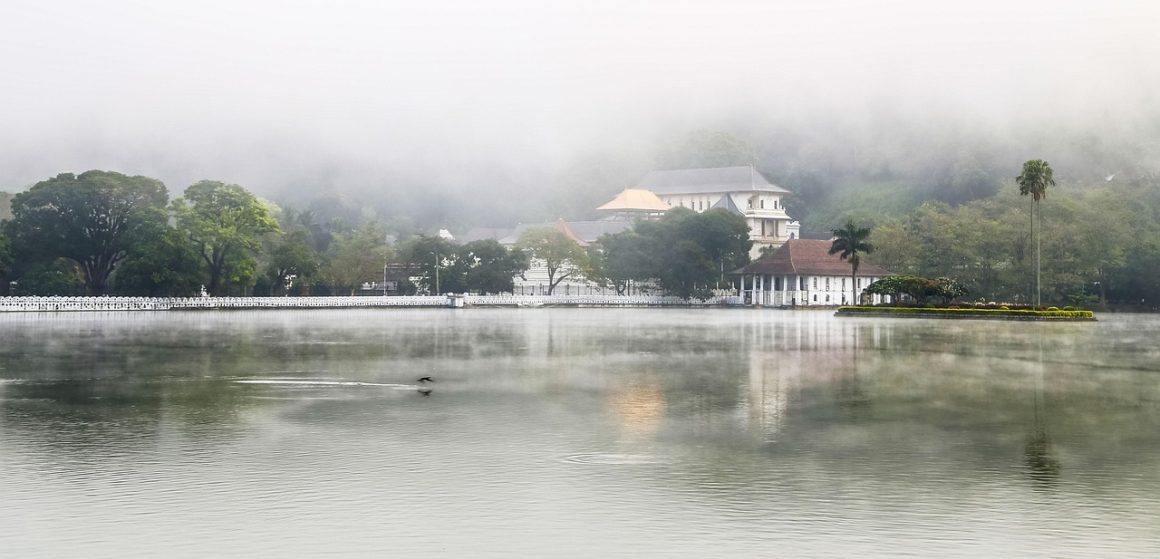
At the core of Kandy lies the Temple of the Sacred Tooth Relic, a site of immense spiritual significance. This golden-roofed sanctuary houses the legendary tooth of the Buddha, drawing pilgrims from across the globe. Visitors observe the daily rituals, where rhythmic drumming and floral offerings create an atmosphere of profound serenity that resonates long after the visit concludes. The architecture reflects traditional Kandyan design, featuring intricate wood carvings and ornate brass work. Archaeologists and historians identify this complex as a critical component of the former Kandyan Kingdom’s political and religious stability.
Scenic Views from the Hillsides
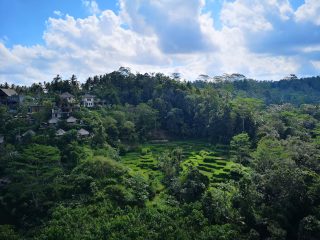
The geography of the region provides dramatic vantage points that define the Kandy experience. Situated above the city, properties like Amaya Hills Kandy offer panoramic views that stretch across the valley. Waking up to the sight of clouds rolling over the Hanthana Mountains provides a transformative perspective on the landscape, making the hilltop experience a highlight for any traveller. These elevated positions distance guests from the high-density traffic in the city centre. The cooler climate at higher altitudes allows for clear visibility of the Mahaweli River winding through the tropical basin below.
Botanical Diversity at Peradeniya
The Royal Botanic Gardens in Peradeniya represent one of the finest displays of tropical flora in Asia. Spanning over 147 acres, the gardens feature a celebrated collection of orchids, medicinal plants, and massive, century-old trees. Walking beneath the towering Cannonball trees or through the manicured avenues allows for a peaceful escape from the urban bustle. The site serves as a premier research hub for national plant taxonomy and agricultural development. Visitors traverse the suspension bridge crossing the river, which links the diverse arboretum sections and the sprawling Great Lawn.
Culinary Heritage and Local Flavours
Kandy serves as an ideal location to explore authentic Sri Lankan gastronomy. The city boasts numerous options for dining, ranging from vibrant street markets offering fresh hoppers to high-end hotels in Kandy that specialise in elevating traditional curries. Sampling the local spice blends and coconut-infused delicacies provides a tangible connection to the agricultural richness of the central highlands. Chefs here prioritise the use of “in-season” produce sourced directly from nearby valley farms. The resulting flavours emphasise the balance between spicy, sour, and creamy notes characteristic of the region.
Traditional Arts and Cultural Performances
Cultural preservation remains a vital pillar of Kandy’s identity. Throughout the city, evening performances feature the intricate movements of Kandyan dance, accompanied by the energetic beats of traditional drums. These displays of fire-walking and rhythmic storytelling offer a deep dive into the artistic heritage that has survived and thrived within these mountain ranges for centuries. Dancers wear elaborate metallic headpieces and embroidered waistcoats that signify specific historical castes and royal lineages. The synchronisation between the percussive ensemble and the physical performance demonstrates technical mastery over complex rhythmic cycles.
A Gateway to the Highlands
Beyond the city boundaries, Kandy acts as the primary transit point for broader exploration. Whether departing on the iconic scenic train journey to Ella or heading towards the Knuckles Mountain Range for trekking, the city is the perfect logistics hub. Its central location ensures that visitors can easily transition from urban exploration to rugged wilderness adventures in a single day. Reliable transport connections facilitate movement into the tea-growing districts of Nuwara Eliya and the ancient forest reserves. Efficient planning from this base optimises travel time for those attempting to cover the central province’s diverse ecological zones.