
Rising from the central plains of Sri Lanka, the Sigiriya rock fortress is a sight that stops you in your tracks. This massive granite peak is more than just a geological wonder; it is a testament to ancient ingenuity and royal ambition.
1. The Engineering Marvel of Ancient Water Gardens
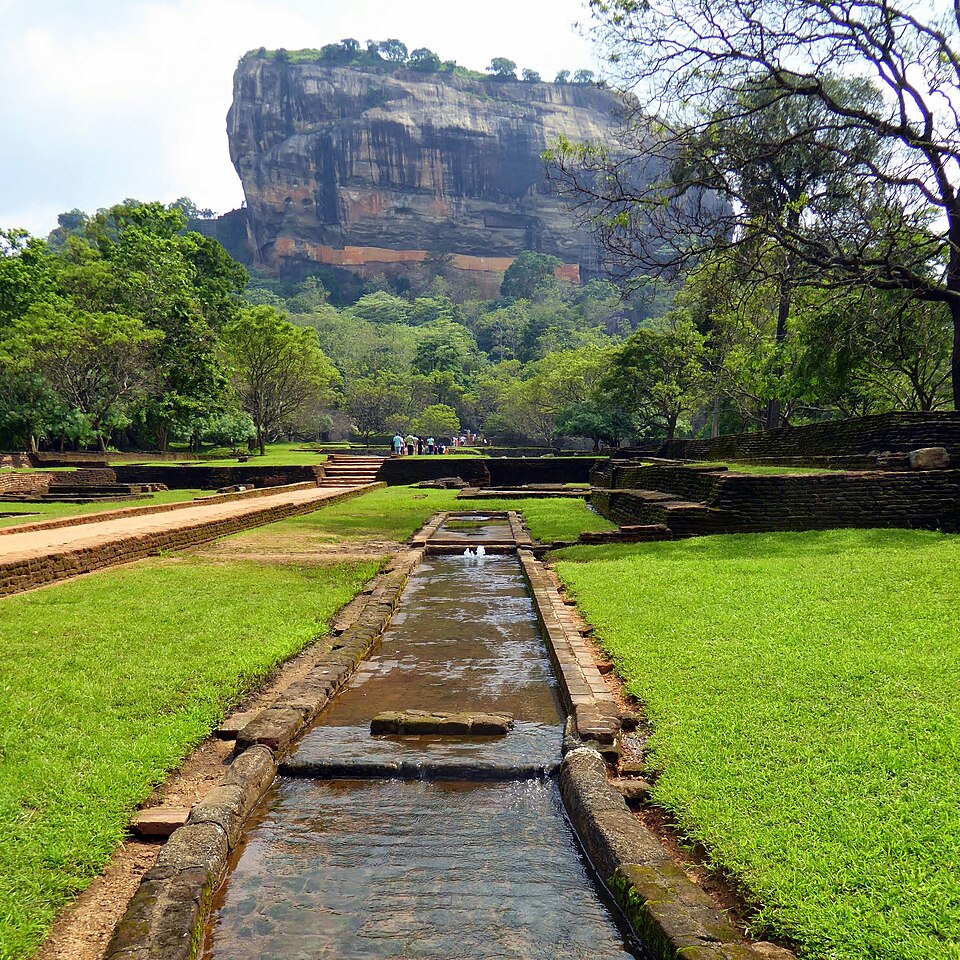
Long before modern plumbing, the architects of Sigiriya created a sophisticated hydraulic system. At the base of the rock, you will find lush water gardens that still function today. These gardens use a series of underground terracotta pipes and gravity-fed mechanisms to power fountains and fill bathing pools. It is incredible to see water still spraying from the fountains during the rainy season, centuries after they were built. If you are staying at a Sigiriya hotel nearby, you can easily visit these gardens early in the morning to see the mist rising off the ancient pools.
2. A Sky-High Palace Built on a Granite Peak
King Kashyapa chose this 200-meter-high rock to build his residence in the 5th century. While most kings built palaces on the ground, he wanted a fortress in the clouds. Moving tonnes of brick and stone to the summit was a monumental task for ancient labourers. Today, visitors can still see the remains of the royal throne and the foundations of the upper palace, offering a glimpse into a life of isolated luxury. The climb is steep, but the view from the top is worth every step.
3. The Mirror Wall and Ancient Graffiti
As you climb, you will walk alongside the Mirror Wall. In ancient times, this brick wall was polished so thoroughly that the king could see his reflection in it. Over the centuries, visitors wrote poems and messages on the wall, known as “Sigiri Graffiti”. These inscriptions are a gold mine for historians because they show how the Sinhala language evolved. People from all over the island travelled here a thousand years ago just to admire the beauty of the rock.
4. The Vibrant Sigiriya Frescoes
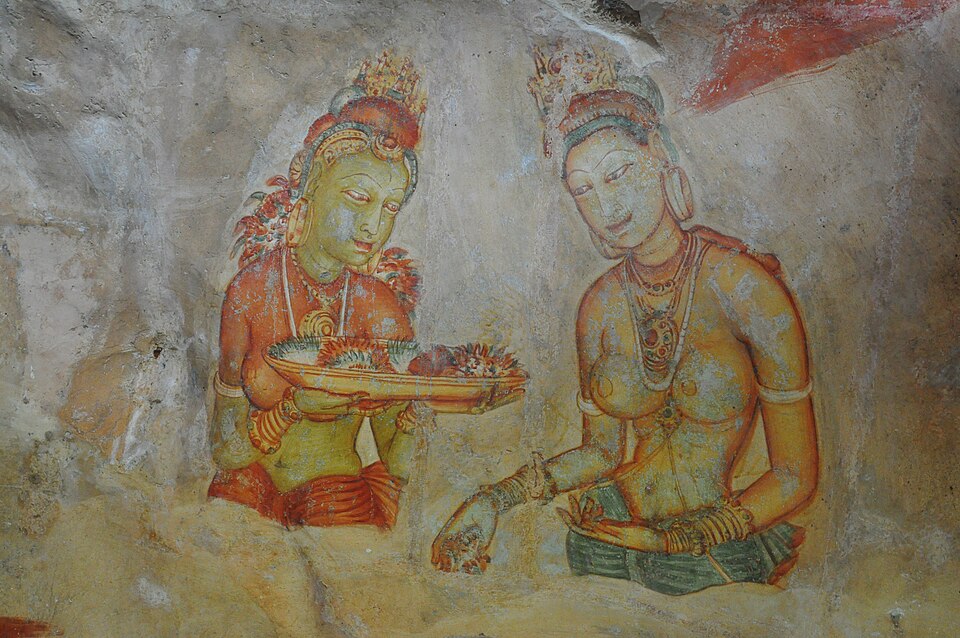
Halfway up the rock, tucked into a sheltered cave, are the famous Sigiriya frescoes. These colourful paintings depict graceful women adorned with flowers and jewellery. Despite being exposed to the elements for over 1,500 years, the natural pigments remain remarkably bright. These artworks are some of the only remaining examples of non-religious ancient art in Sri Lanka. If you’re looking for a stress-free trip, many hotels like Habarana Village By Cinnamon offer guided excursions to Sigiriya Rock, ensuring you see these masterpieces with the help of an expert.
5. The Colossal Lion’s Paw Entrance
The name “Sigiriya” translates to “Lion Rock”. Originally, the entrance to the final climb was built in the shape of a massive crouching lion. Visitors had to walk through the lion’s mouth to reach the summit. While the head has collapsed over time, two enormous paws still flank the staircase. This grand entrance was designed to intimidate enemies and showcase the king’s power to everyone who approached. It serves as a reminder of the artistic scale the ancient builders could achieve.
6. A Strategic Network of Caves and Monasteries
Before and after it served as a royal fortress, Sigiriya was a peaceful retreat for Buddhist monks. The surrounding area is dotted with rock shelters and caves that were used for meditation. This blend of a high-stakes military fortress and a serene religious site is unique. You can see the drip ledges carved into the rocks, designed to keep the monks dry during the monsoon rains. This spiritual history adds a layer of peace to the rugged landscape.




.jpg)