
Nestled in Oman’s southern Dhofar region, Salalah is a city where ancient history and living traditions converge amidst a uniquely lush landscape. Famous for its annual Khareef (monsoon) season that transforms the desert into a verdant paradise, Salalah’s true wealth lies in its profound heritage as the heart of the ancient frankincense trade. This is a place where you can walk in the footsteps of traders, explorers, and sultans, connecting with a cultural legacy that has been carefully preserved for millennia.
1. Walk Through the Ancient Frankincense Port of Al Baleed
Step back in time at the Al Baleed Archaeological Park, a UNESCO World Heritage site that was once a flourishing port city. As you wander through the extensive ruins of merchant houses, mosques, and fortifications, you can almost hear the echoes of ancient traders who exchanged Omani frankincense for goods from across the Indian Ocean. The adjacent Land of Frankincense Museum provides fascinating context with artefacts recovered from the site, illustrating how this aromatic resin shaped Salalah’s destiny and connected it to the wider world for centuries.
2. Experience the Sensory Wonder of the Frankincense Souq
No visit to Salalah is complete without immersing yourself in the aromatic atmosphere of the Frankincense Souq in the Haffa district. Here, your senses come alive as merchants display different grades of this precious resin, from the silver-quality Hojari to the more common Najdi. Engage with the knowledgeable vendors who can demonstrate how to distinguish quality frankincense and explain its traditional uses in medicine and perfume. The experience of selecting your own resin while learning about its cultural significance creates a tangible connection to a trade that has defined this region for over 5,000 years.
3. Explore the Caves of Prophetic History
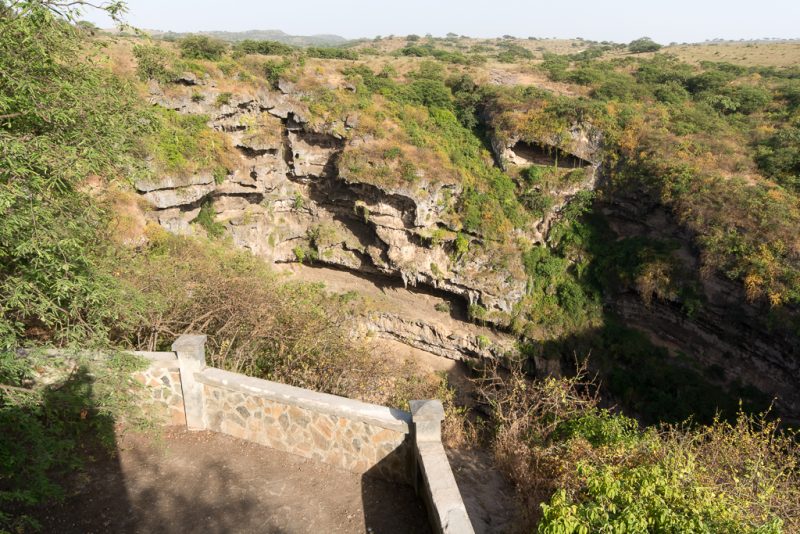
Venture beyond the city to discover Salalah’s remarkable cave systems, which hold deep religious and historical significance. The Prophet Job’s Tomb, located in the nearby hills, is a pilgrimage site revered for its connection to the biblical and Quranic figure known for his patience and faith. Similarly, the Cave of Prophet Imran (believed to be the father of Maryam) is one of the largest caves in the world and represents an important site of religious heritage. These spiritual landmarks offer a profound glimpse into the region’s role in Abrahamic traditions.
4. Witness Traditional Dhofari Life at the Museum of the Frankincense Land
For a comprehensive understanding of the region’s cultural evolution, the Museum of the Frankincense Land is essential. Its well-curated exhibits take you on a chronological journey from prehistoric times through the Islamic era, with particular focus on maritime history and the frankincense trade. The museum’s collection includes ancient manuscripts, traditional Omani weaponry, and displays on Bedouin life, providing crucial context that enriches your appreciation of all other heritage sites you’ll visit in the region. Many cultural travellers begin their exploration by reviewing the excellent options among Salalah hotels that specialise in providing heritage tours and authentic local experiences.
5. Follow the Incense Trail to Sumhuram
Journey approximately one hour east to the ancient city of Sumhuram, another UNESCO World Heritage site that was a crucial link in the frankincense trade chain. Perched dramatically where the Wadi Darbat meets the sea, this beautifully preserved settlement was originally a fortified port for shipping frankincense harvested from the nearby Wadi Dawkah. Walking through its reconstructed gates and buildings, you gain insight into how this commodity was stored and protected before its journey to distant markets. The strategic location offers stunning views that help you appreciate why this site was so important for controlling the valuable trade routes. After a day of historical exploration, the luxurious comfort of Al Baleed Resort Salalah provides the perfect sanctuary, with its architecture inspired by Omani heritage and breathtaking views of the archaeological park and the Arabian Sea.