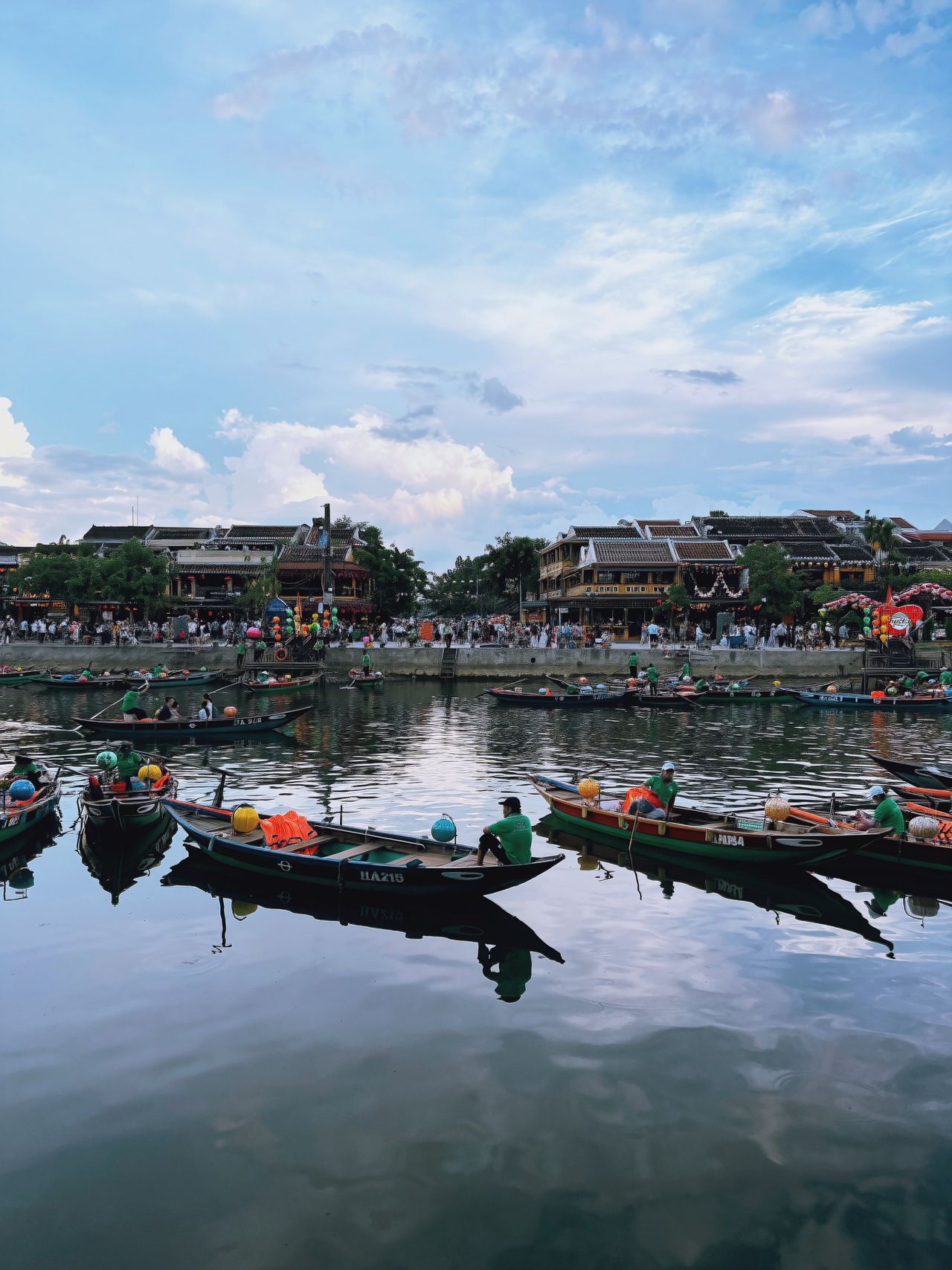
Vietnam is a fascinating country filled with rich culture, historical sites, bustling markets and diverse local lifestyles. With imperial palaces, traditional craftsmanship, vibrant festivals, riverside life and mouthwatering local cuisine to try, this nation offers unforgettable experiences for cultural enthusiasts. Therefore, finding the best luxury hotels & resorts in Vietnam for experiencing local culture will make your holidays even more enjoyable, as you will have these excursions just a stone’s throw away from your accommodation.
Hoi An: Timeless heritage and riverside traditions
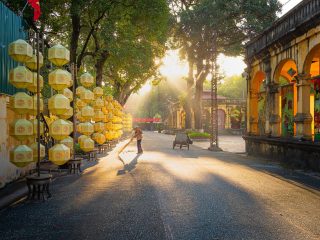
“Its Unesco-listed Old Town is a handsome tapestry of diverse influences. A Japanese-built bridge spans a canal, while the cobbled streets are lined with Chinese shophouses adorned with French balustrades. Many buildings are garlanded with bougainvillea and painted a lemon-curd yellow, which caramelises into a burnished gold as the sun begins to sink into the Thu Bon River each day. When night comes, the velvet darkness is pricked by a million orbs of light, like fireflies in a forest. These constellations of paper lanterns, the city’s signature for 400 years, are still handcrafted in atmospheric artisans’ workshops.” (National Geographic)
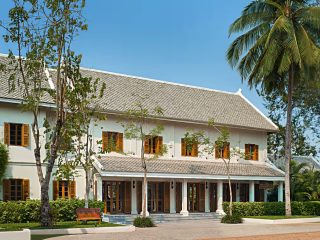
The Ancient Town, a UNESCO Site, is an unmissable site in Hoi An. Stroll around the historic streets lined with yellow-painted merchant houses, traditional wooden buildings and brightly coloured lanterns. It was a key trading hub between the 15th and 19th centuries. One of the most famous sites there is the Japanese Covered Bridge, which demonstrates the links between Japanese, Chinese and Vietnamese people. If you visit this place during a full moon, you can watch locals release beautiful candle lanterns onto the river and even take part in a lantern-making workshop. A relaxing boat tour around the Thu Bon River is a great way to see historic buildings and riverside communities in one go. Head to the local market to pick out some fresh ingredients or visit a farm close by and then learn how to cook some local dishes. A visit to Thanh Ha Pottery Village will let you learn the art of pottery making, while dropping by Kim Bong Carpentry Village will open your eyes to skilled carpenters using traditional methods to make stunning wooden items. Meals like Cao Lau Noodles, White Rose Dumplings and Hoi An Style Banh Mi reflect the history of the trading town. If you stay at an accommodation like Anantara Hoi An Resort, you will be able to get to all these places at a quick pace and also enjoy beautiful views of the Thu Bon River.
Hanoi: Vibrant street life and age-old customs
“Many shops here once specialized in producing goods for the Vietnamese royal court. On Hang Bac Street, silversmiths still craft intricate jewelry. Meanwhile, Hang Ma Street is famous for decorative paper and stationery, transforming into a vibrant “Christmas Wonderland” in December with red and white ornaments…One of Ha Noi’s must-try specialties is egg coffee. At the renowned Giang Café, egg yolks are whipped with sugar and condensed milk to create a rich, creamy foam layered over strong black coffee. Other notable variations include salt coffee, which features a creamy salted topping, and coconut coffee, made with aromatic coconut milk.” (Vietnam Tourism)
Walk around the Old Quarter and discover traditional shops and bustling marketplaces. Spend some time relaxing around Hoan Kiem Lake, which is an important community hub, as you will be able to witness locals engaged in Tai Chi, exercising and socialising along its banks. A visit to Thang Long Water Puppet Theatre will allow you to see colourful wooden puppets come to life in traditional stories and scenes belonging to rural life. Constructed in 1070, the Temple of Literature is considered Vietnam’s first national university. This traditional building features beautiful courtyards, pavilions and stone steles which provide an insight into the education and Confucianism of Vietnam. One of the traditional delicacies you can try there is egg coffee. It is made using whipped egg yolk, sugar and coffee. Visit Dong Xuan Market to inspect stalls selling local produce, fabrics, household items and Vietnamese delicacies. Take a traditional 3-wheeled cycle rickshaw around the Old Quarter for a slower way to enjoy the busy streets and street vendors.
Hue: Imperial grandeur and royal heritage
“The pavilion is part of the splendid Dien Tho Palace, once the exclusive preserve of the imperial queen mother, where she would take the air and exchange court gossip with her coterie of loyal ladies-in- waiting. It’s part of the Imperial City in Vietnam’s former capital, designated a Unesco World Heritage Site in 1993.Fashioned after Beijing’s Forbidden City, the Imperial City stands within the walled confines of the imposing red stone citadel, which encloses an area of some 520 hectares. It stands along the picturesque northwestern bank of the Perfume River. The Imperial City is protected by its own walls measuring 2km by 2km and the complex includes impeccably restored gatehouses, temples, tombs, pavilions and moats.” (South China Morning Post)
Visitors entering Hue should not miss out on the Imperial Citadel. A visit to this place gives you the opportunity to explore the fascinating world of the Nguyen Dynasty. Drop by the former private residence of the Vietnamese emperors and their extravagant tombs as well to inspect their unique style with traditional Vietnamese architecture. Relax and enjoy a scenic cruise along the Perfume River. See the beautiful architecture, lush banks and places of worship. This is a unique experience, as some of the evening trips have traditional music played on board. Visit the 7-storey famous pagoda, Thien Mu, which overlooks the Perfume River. This is one of the most famous places of worship in Hue. Attend a performance of the traditional Vietnamese court music known as Nha Nhac. Thuy Xuan Incense Village is worth a visit to see bundles of handmade incense being made. Taste some traditional Vietnamese food like Bun Bo Hue, Banh Beo, Banh Khoai and Com Hen that are linked with its royal history. Travel to nearby villages specialising in conical hats, bronze casting, bamboo weaving and pottery. Watch the locals create their products in front of you.
The Mekong Delta: Traditional river life and rural charm
“Mekong river culture has existed in Vietnam for hundreds of years,” says Jerry. He tells me that although he was raised in Ho Chi Minh City, he grew up visiting family in the Mekong, learning to swim in these tributaries using coconut husks as buoyancy aids, and feasting on coconut flesh as well as spiders, snails and turtles. “The Mekong was a very poor region in the past and people didn’t have many choices on what they ate,” he explains. In recent years, Vietnam’s government has instigated a programme to attract international investors to the Mekong, improving public infrastructure and living conditions, but Jerry says many things remain largely the same. “People do still eat turtle,” he says with a shrug.” (National Geographic Traveller)
Source: https://www.nationalgeographic.com/travel/article/waterways-islands-southern-vietnam
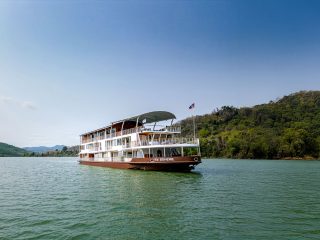
The Mekong Delta is home to a variety of cultures: Vietnamese, Khmer, Cham and Chinese. You can visit traditional temples, pagodas and mosques to learn more about their spiritual beliefs. The Cai Rang Floating Market is one of the best traditional markets to visit in Can Tho. Witness boats with fresh produce, including fruit, vegetables and more being brought. Have a unique breakfast experience by purchasing your breakfast from the floating restaurants. Ride around on traditional sampan boats. These little wooden boats will take you on a scenic route through narrow canals. There are local family-run farms that grow tropical fruits including mango, rambutan, pomelo and mangosteen. Stay in a family-run homestay and spend some quality time with a local Vietnamese family. Some homestays will give you the opportunity to get involved in cooking as well. Ben Tre is known for its coconut culture. Learn how local families use coconuts to create sweet treats. Cycle down peaceful country roads, passing rice fields, coconut trees and villages. Attend a Cai Luong show, which is a traditional Vietnamese folk Opera that was developed in the south. The expressive singing and storytelling, along with musical instruments involved in these will give you an insight into the local arts scene.
Conclusion
Vietnam is a very culturally diverse country. Each of the destinations, such as Hoi An, Hanoi, Hue and the Mekong Delta, provides unique experiences involving rich history, art, cuisine and traditions. Enjoy creating colourful lanterns, watch incredible water puppet shows and get to know the royal culture and floating markets. Stay in some comfortable luxury accommodation and explore the surrounding cultural attractions. With plenty of options to learn about the roots of the nation and meet local communities, you will create many long-lasting memories and gain a better appreciation for the culture that Vietnam has to offer.