Chiang Mai’s heartbeat isn’t found in its crowded night markets but in the quiet whispers of the 13th-century Lanna Kingdom. To truly see the “Rose of the North”, you must venture where history is still etched into teak and silver.
The Sunken Empire
South of the city lies Wiang Kum Kham, a forgotten capital that vanished under river silt for 700 years. Rediscovered only in 1984, these ruins offer a hauntingly beautiful glimpse into the past. Exploring this “underground city” by horse-drawn carriage reveals brick foundations that predate the modern Old City.
Teakwood and Tradition
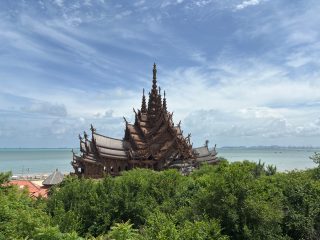
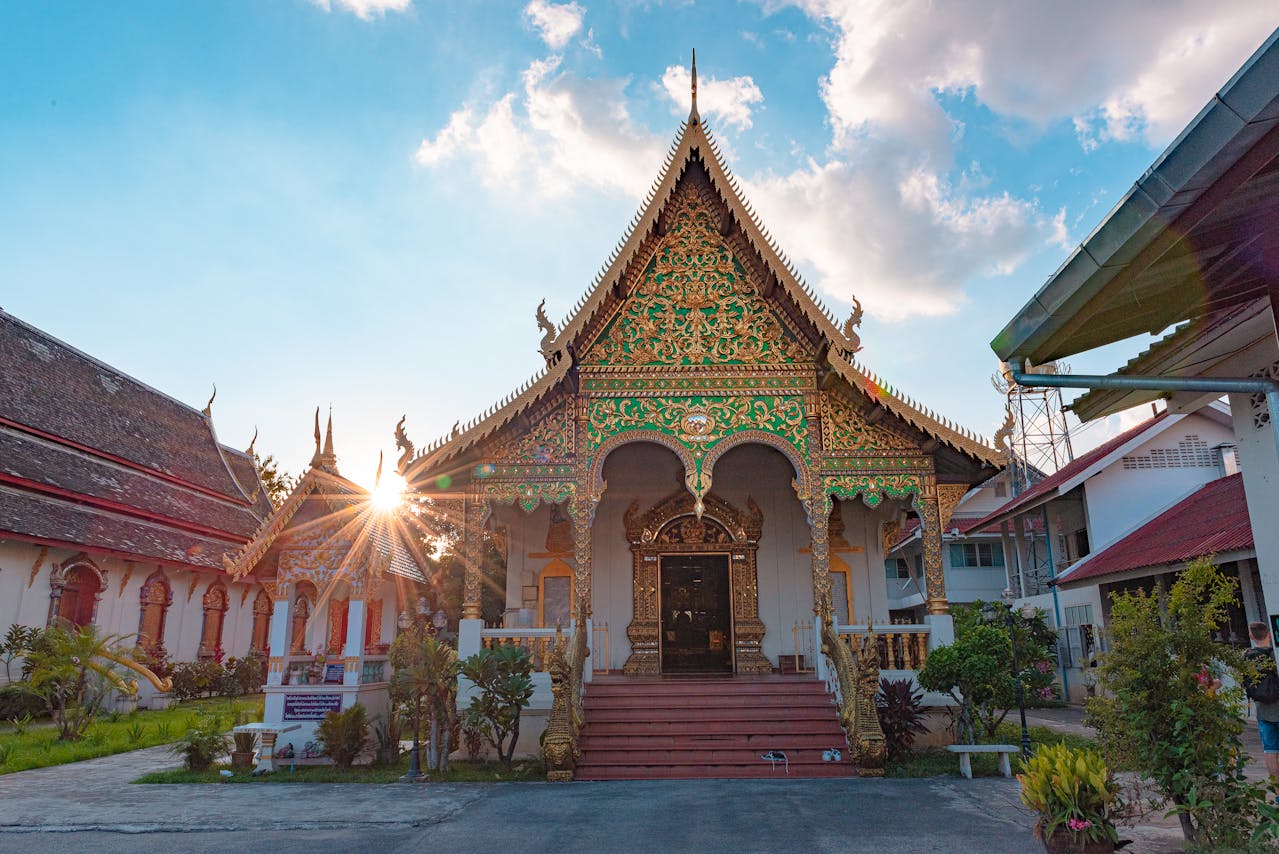
Lanna architecture is defined by the “Kalae”, carved wooden V-shapes atop rooftops. To see this in its purest form, visit Wat Phan Tao. Unlike the gilded icons elsewhere, this temple is crafted from dark, weathered teak, reflecting a time when royal palaces were donated to the monkhood to gain spiritual merit.
The Silver Alchemists
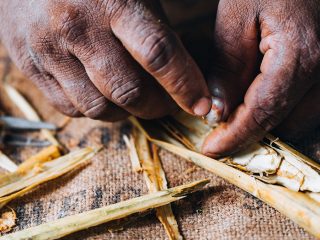
In the Wua Lai neighbourhood, the air rings with the rhythmic “tap-tap” of hammers. Artisans here practise ancient repoussé, a technique of embossing silver into intricate 3D patterns. For a modern connection to these water-bound heritage routes, premium operators like Mekong Kingdoms bridge the gap between Thailand’s crafts and the wider region.
The Slow Road to Laos
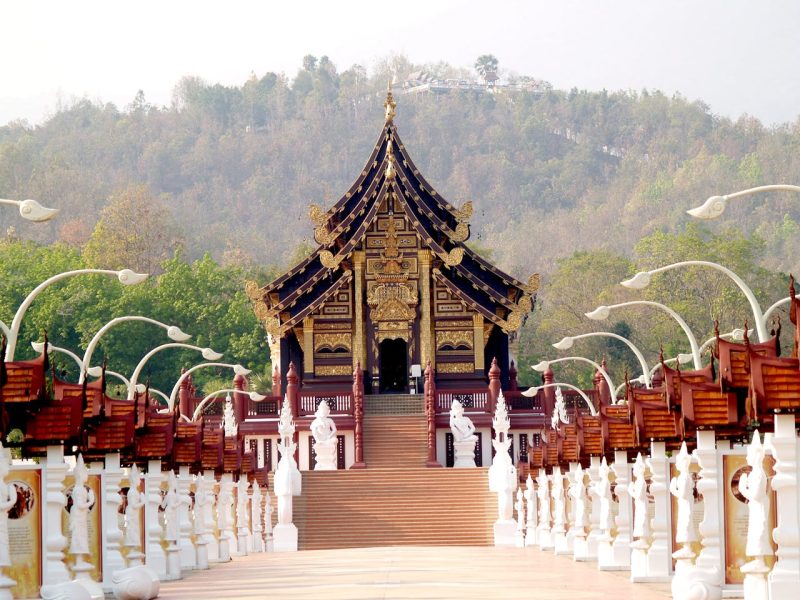
The Lanna legacy isn’t confined to borders; it flows with the current. Many travellers extend their heritage hunt via a Luang Prabang river cruise, tracing the same trade routes used by ancient kings. This slow-paced journey connects the mountain temples of Chiang Mai to the gilded spires of Laos.