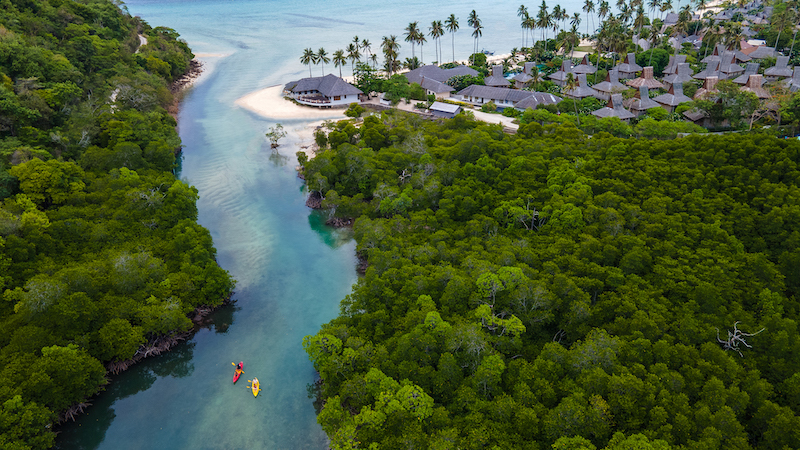
Thailand receives tens of millions of visitors every year, and the impact of that scale is something the industry is taking seriously. Sustainable tourism has moved from a niche concern to a mainstream conversation, with hotels, operators, and even travellers themselves beginning to ask harder questions about what it means to visit a destination responsibly. In Thailand, that conversation is producing real and measurable change.
Why Sustainability Matters in a High-Volume Destination
Thailand’s most popular destinations have experienced the consequences of mass tourism firsthand. Coral reef damage, overtourism at key sites, and pressure on local communities and natural habitats have all pushed the industry towards more thoughtful approaches to how visitors are managed and how tourism revenue is distributed. Sustainable development in Thailand is now as much an economic and environmental necessity as it is a marketing position, and the businesses taking it seriously are doing so because the long-term health of the industry depends on it.
What Responsible Hospitality Looks Like
The hospitality sector has a particularly significant role to play in sustainable tourism. Energy consumption, water use, food sourcing, waste management, and community employment are all areas where hotels can make a measurable difference to the destinations they operate within. It is an optimistic sign that many hotel operators, including S Hotels & Resorts, have embedded sustainability across operations, applying responsible practices that cover everything from reducing single-use plastics to sourcing local produce and supporting the communities surrounding their properties.
Traveller Choices That Make a Difference
Sustainable tourism is not only the responsibility of the industry. Individual travel choices, including where you stay, what you eat, how you get around, and which tours and operators you choose, all add up to a collective impact that shapes how destinations develop over time. Travellers who prioritise locally owned businesses, minimise their environmental footprint, and engage respectfully with local communities contribute to a form of tourism that sustains the places they visit.

The Future of Thailand’s Tourism Industry
The direction of travel is clear. Visitors to Thailand are increasingly selecting destinations and operators based on environmental and social credentials, and the industry is responding accordingly. Certification schemes, community-based tourism initiatives, and investment in natural habitat restoration are all growing areas of activity. The Thailand that future generations will visit depends in large part on the decisions the current generation of travellers and operators make now.