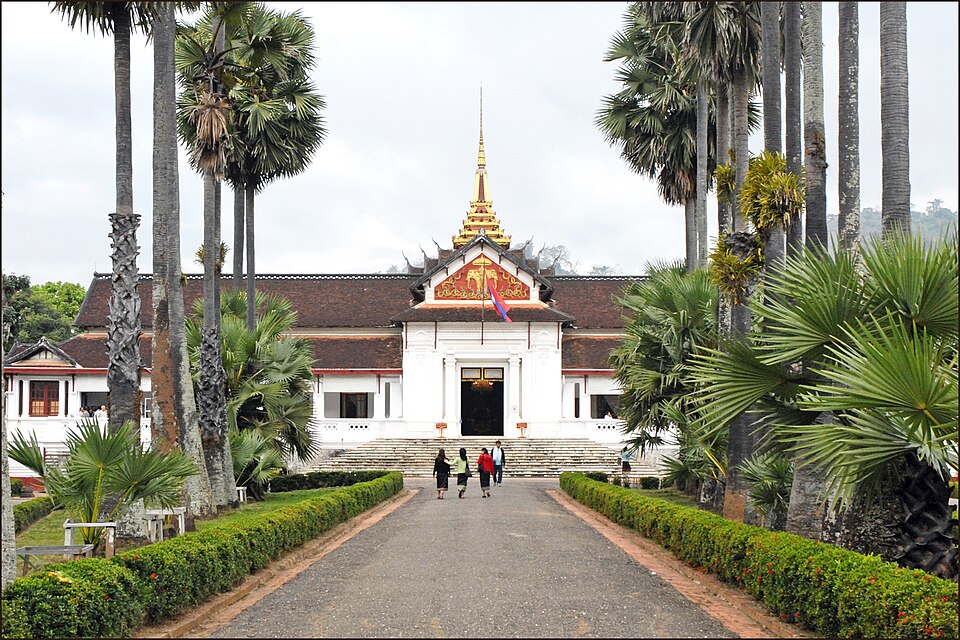
Luang Prabang is considered one of the most enchanting heritage cities in Southeast Asia, which is famed for its wonderful blend of Lao architecture and French colonial architecture. The UNESCO World Heritage Site has some wonderful examples of well-preserved buildings, Buddhist temples, and French colonial houses. A tour of Luang Prabang will provide visitors with a great insight into two different types of architecture in perfect harmony with each other.
Traditional Lao Temples and Wooden Architecture
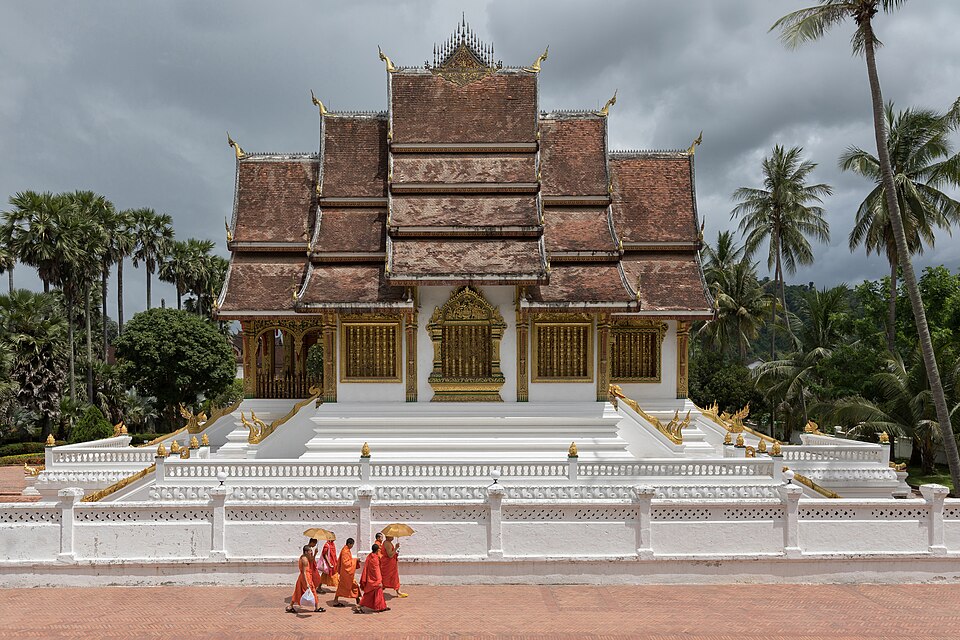
The religious centre of Luang Prabang consists of Buddhist temples called “wats”. Their most distinguishing features include grand roofs, decorated with gold, elaborate sculptures, and architectural styles characteristic of Laos. Also, the houses built of wood and elevated above ground level, adjusted to the tropical climate, are typical of this region. They help maintain the distinctive culture of the place and study the art of Laos.
Heritage Hotels and Restored Buildings
Many of the historic buildings in the area have been turned into luxury accommodations while maintaining their historical charm. There are many Luang Prabang hotels that have been constructed using old buildings that give tourists a chance to explore the historic environment and culture by integrating both the Laotian and French cultures.
Modern Hospitality Inspired by Heritage
Examples of such buildings as Avani + Luang Prabang Hotel demonstrate the potential of this city in combining the past and the present in architectural style. In most cases, newer hotels use certain aspects of local architecture and integrate traditional Lao architecture into them. This way, the newly built buildings manage to maintain the uniqueness of the cultural identity of Luang Prabang.
French Colonial Elegance in the Old Quarter
The influence of the French settlers is visible throughout the city of Luang Prabang. Their beautiful architecture and building façade give the area an ambience of a typical European atmosphere even amid the surroundings of Southeast Asia. Many of these historical buildings have been restored to become coffee shops, boutiques, and inns. This place gives off a feeling of a living museum that blends together Lao traditions and French architecture.