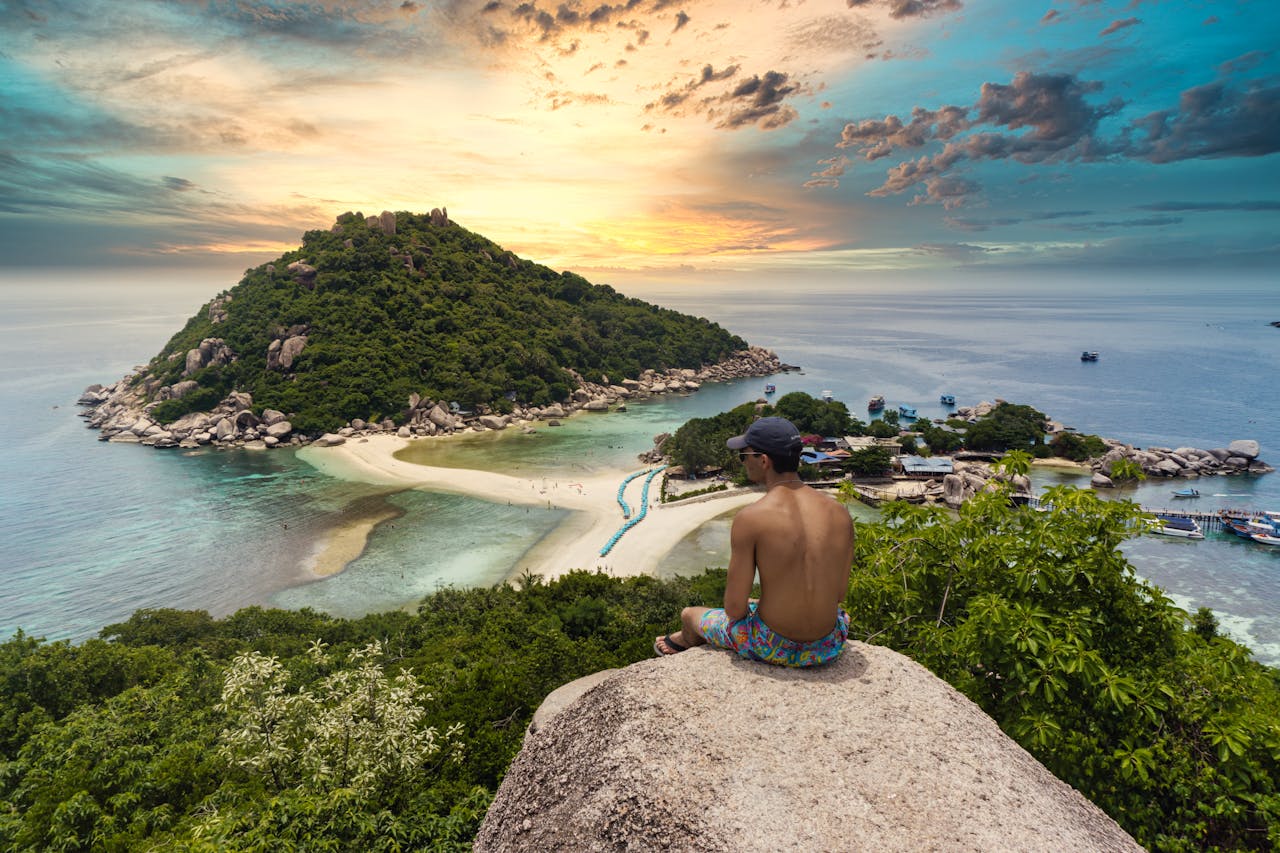
While many flock to the island for its turquoise waters, Koh Samui’s true identity is found in its spiritual landmarks and centuries-old customs. For the professional traveller, understanding these cultural nuances adds a layer of depth to any tropical itinerary.
The Big Buddha and Wat Plai Laem
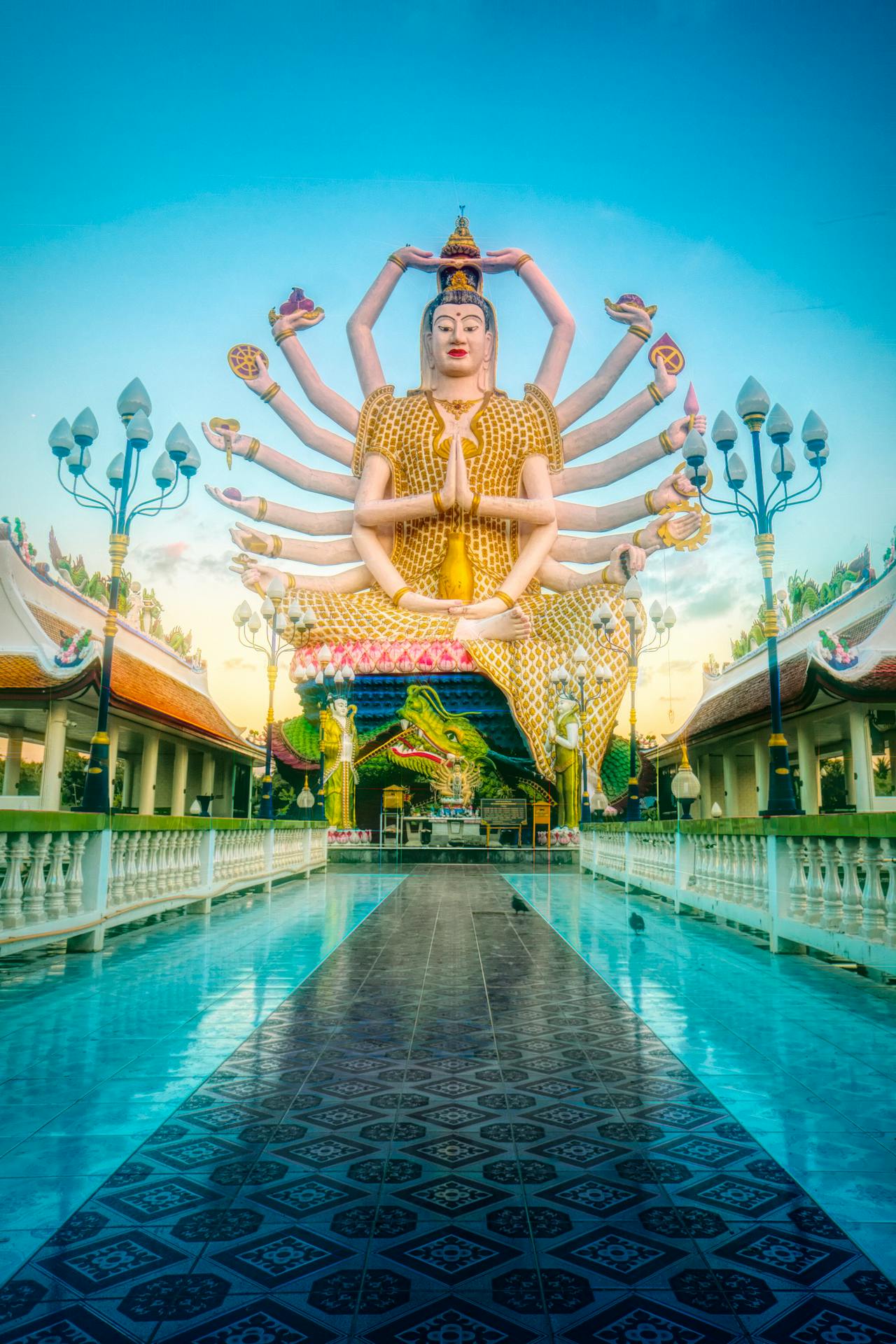
The northern coast is dominated by the 12-metre golden statue of Wat Phra Yai. This temple serves as a beacon of Buddhist devotion and provides a panoramic view of the Gulf of Thailand. A short distance away, Wat Plai Laem showcases intricate Chinese-Thai craftsmanship, featuring a magnificent 18-armed statue of Guanyin, the Goddess of Mercy.
The Fisherman’s Village Legacy
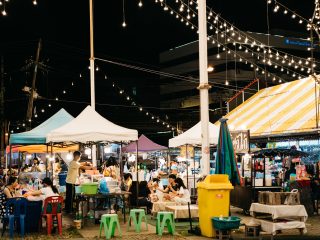
In the Bophut area, the historic Fisherman’s Village preserves the island’s roots. This district is famous for its rustic wooden shophouses and vibrant night markets. Many visitors choose to stay at various hotels in Koh Samui to remain close to this cultural hub. For example, NH Collection Samui Peace Resort is just a short walk away, blending modern luxury with a design that honours the area’s traditional architecture.
The Mummified Monk
At Wat Khunaram, visitors can pay respects to Luang Pho Daeng, a highly revered monk who passed away in 1973 while in a meditative state. Remarkably well-preserved without chemicals, his presence serves as a profound local reminder of the Buddhist philosophy of impermanence. It is a site that invites quiet reflection away from the island’s busier tourist zones.
Seasonal Festivals
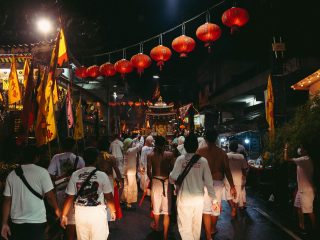
The Samui calendar is punctuated by vibrant community celebrations. From the exuberant water rituals of Songkran in April to the tranquil, candle-lit floats of Loy Krathong in November, these festivals offer a window into the Thai “Sanuk” (fun) spirit.