The cultural heritage of Sri Lanka is a fascinating adventure that is well worth exploring. Rooted in history, religion, and the diverse community living on the island, Sri Lanka’s cultural heritage creates a unique experience for every visitor. From local architecture and customs to festivals and handicrafts, there is plenty to learn and discover. As such, the country’s hotels provide an opportunity to delve into a Sri Lankan cultural and heritage experience. Those who plan to spend their holidays engaging in cultural explorations would naturally ask, “Which hotels in Sri Lanka offer authentic Sri Lankan cultural and heritage experiences?” The answer, as always, lies in the opportunities offered by these accommodations. Here is an opportunity to delve into its cultural and heritage treasures.
Traditional architecture and designs
“Bawa’s architectural philosophy is best explored by visiting the many hotels that he designed across Sri Lanka. At a time when hotels were being designed in cookie-cutter style to fit anywhere in the world, the master architect’s varied designs stood out with their location-specific ethos. Bawa famously said the site gives the most powerful push to a design, along with the brief. Nowhere is his site-focused design process more visible than at Heritance Kandalama, commissioned by the Aitken Spence Hotel Group to tap tourists visiting Sigiriya. The structure, built in 1994, is located 11 km southeast of the historic city, a distance that protects the immediate surroundings and offers picturesque views across the Kandalama Lake. Seamlessly integrating into the rocky terrain and dense foliage, the design prioritises harmony with nature, with the innovative use of space and materials showcasing a commitment to sustainable architecture, when it was not a buzzword.” (The Tribune)
Source: https://www.tribuneindia.com/news/features/checking-in/
Inspired by colonial buildings, palaces, and village houses, hotels bring these designs and features to life today in their interior settings. Wood, clay tiles, natural stone, woven mats, and other traditional materials have been incorporated in the hotel design, while local paintings, sculptures, carvings, and other artwork are displayed in the venues. The use of handcrafted furnishings and other artefacts makes you feel like you are living among local antiques. Historic buildings too have been restored and converted into hotels so that traditional courtyards, gardens, and open verandas are part of their design and connect guests with nature. Heritance Kandalama, a member of Heritance Hotels & Resorts, showcases Sri Lanka’s architectural heritage with its innovative design, which blends seamlessly with the surrounding rock formations, forests and natural landscape.
Cultural performances, arts and traditional crafts
“Among the island’s many traditional crafts, mask making, particularly in the southern coastal town of Ambalangoda, stands apart as one of the most visually arresting and culturally layered art forms. Today, however, this tradition survives precariously, sustained more by tourism than by the rituals that once gave it meaning. Ambalangoda, a modest town along Sri Lanka’s southern coast, has long been regarded as the epicentre of traditional mask carving… Artisans traditionally carve masks from kaduru wood (Strychnos nux-vomica), a light, soft timber that is easy to shape yet durable once seasoned. After carving, the masks are lacquered in vivid reds, yellows, blacks, and whites, producing a striking visual intensity that has become synonymous with Sri Lankan ritual performance.” (The Morning)
Source: https://www.themorning.lk/articles/8Z47jJk3VWRiaiBUT6kg
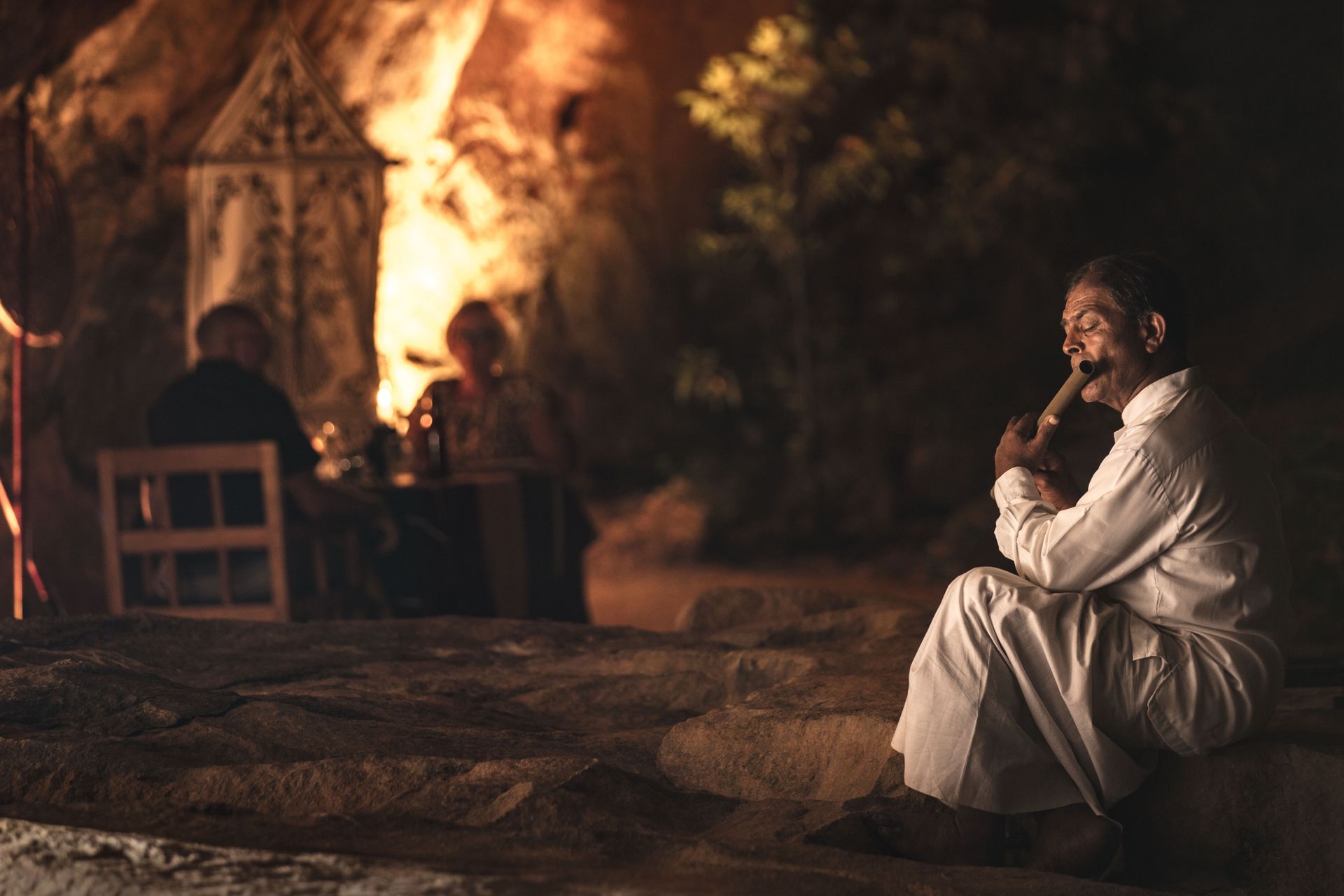
One of the unique art forms found in Sri Lanka is traditional Kandyan dancing. Guests are introduced to this traditional dance style and are taught about its movements, costumes and rhythms. They are also given a cultural interpretation of the role of traditional drums in welcoming ceremonies, celebrations and special events. Guests are introduced to the traditional craft of mask-making, particularly with regard to the vibrant wooden masks of southern Sri Lanka. Hotels display, and sometimes sell, souvenirs and other items made by local craftsmen. Pottery and wood carving demonstrations enable guests to appreciate these traditional skills and the values which have been passed from generation to generation. Handloom textiles are at times featured in hotel interiors and activities. Such initiatives help to support traditional skills and provide employment opportunities for the local community.
Sri Lankan festivals, customs and heritage experiences
“The festivals of Sri Lanka, most of them springing from a deeply religious background, are a blend of pageantry and penance, of old, established rituals and new concepts, and the joy of everyday living. The pageantry of a perehara, the ceremonial temple procession, contrasts with the penance of a pilgrim rolling in the hot sand in a jungle shrine, the ritual followed at fire-walking is as absorbing as the end of a bicycle race, and the joy and laughter at new year time brings on an exhilaration that envelopes the whole country. The diversity in race and religion contributes to the fascinating diversity in the form and content of the country’s festivals, spread throughout the year. Buddhism, the religion of the majority, the Sinhala, inspires many of the island’s feasts. The influence of Hinduism, the faith of most of the Tamils living in Sri Lanka, permeates not only their own festivals but also those of the Buddhists. The Christians and Muslims, the other two significant minorities, have their own festivals which add lustre to the national calendar.” (Explore Sri Lanka)
Source: https://exploresrilanka.lk/pageantry-and-colour-in-the-festivals-of-sri-lanka/
The Sinhala and Tamil New Year, which occurs annually during April, is one of the cultural highlights in the Sri Lankan cultural calendar. Experiences around traditional games, food, decorations and cultural activities provide a glimpse into the rich roots of the nation. Experiences around lantern illuminations, decorations and spiritual activities are part and parcel of Vesak. The Hindu Festival of Lights is known as Deepavali. There, you can enjoy Experiences around traditional decorations, food and cultural programmes. Ayurveda is quite popular in wellness tourism. Therefore, experiences offering insights into traditional Sri Lankan healing practices have become a main tourist draw today. Tours of religious and historical sites and ancient kingdoms offer insights into ancient civilisations and the history of Sri Lanka. Anuradhapura, Polonnaruwa and Sigiriya are among the most visited regions to uncover the heritage of the island.
Authentic Sri Lankan cuisine and traditional dining experiences
“Aromatic spices, luscious vegetables and the island’s freshest seafood are the hallmarks of our cuisine. The island’s microclimates render each province its own natural bounty. Thus, each region of Sri Lanka has its own signature dishes, which are proudly prepared wholesomely and deliciously. These are some of Sri Lanka’s most popular regional food; a must-try! The Southern coastal area of Matara is known for its delicious rice and curry, the flavour of this traditional afternoon meal is quite distinctive…The area’s stand-out curry dish is that of Malu Ambul Thiyal, a peppery, tangy preparation that tingles the taste buds. Ambul Thiyal originated as a means of preserving fish.” (Explore Sri Lanka)
Source: https://exploresrilanka.lk/culinary-adventure-of-an-island/
Rice and curry is a staple of Sri Lankan cuisine. Therefore, hotels invite guests to discover local specialities by offering rice with a variety of vegetables, seafood, meat, green leaves and different curries and side dishes. Regional food specialities such as Ambul Thiyal (sour fish curry) can be found in down south resorts, while those in the north offer dishes like Jaffna crab curry. Lampraise is a favourite in the Galle region due to its strong Dutch influence. Traditional breakfast specialities such as hoppers (Sri Lankan bowl-shaped pancakes), string hoppers (steamed rice noodle cakes), kiribath (milk rice) and pol sambol (coconut sambol) are must-tries. Ingredients like cinnamon, cardamom, curry leaves, coconut and other local spices are used in traditional dishes, while meals are cooked in clay pots and over open fires. Some resorts even offer tours to local villages where guests can witness and try their hand at making local favourites.
Conclusion
Sri Lanka’s unique cultural heritage creates numerous opportunities for hotels to engage in practices that introduce guests to the charm of the island’s local culture and history. Traditional architecture, cultural events, and handicrafts, as well as local cuisine, can help the hotel industry provide travellers with the opportunity to become acquainted with the local culture and history and preserve them. Therefore, the hotels can play an important role in cultural exchange by collaborating with local artists, traditional handicrafts producers, and the population in general.