
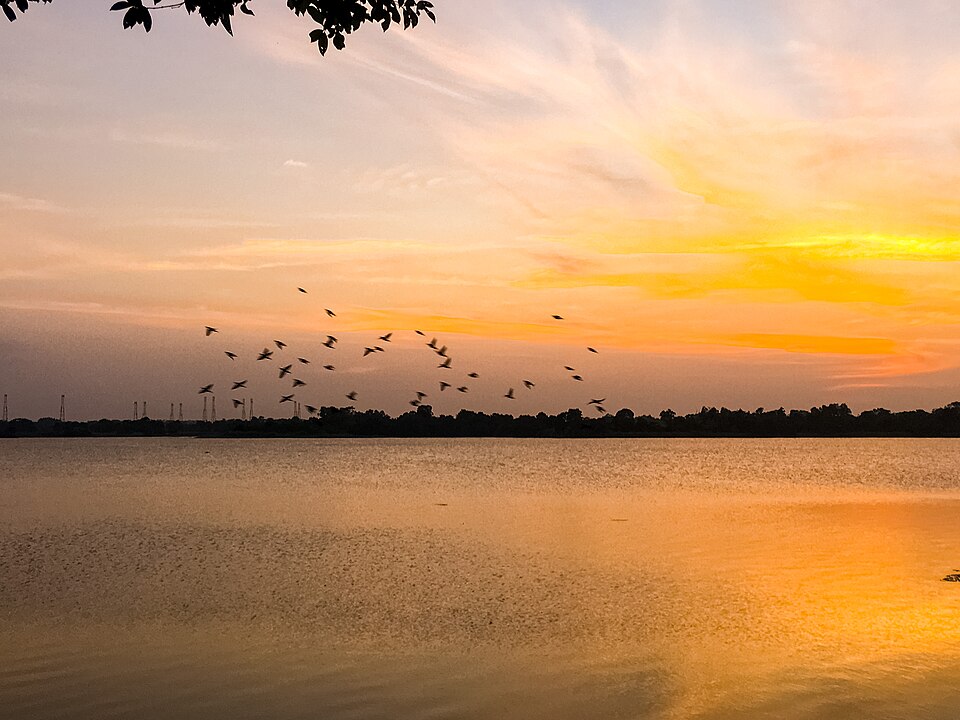
Singapore is celebrated for its skyline and seamless urban planning, yet beyond the shopping streets and iconic attractions lies a quieter, greener side. Tucked away from the usual tourist routes are nature-filled spaces that highlight the city’s deep connection to biodiversity, history, and outdoor living — ideal for travellers seeking calm, discovery, and authenticity. Keep reading to learn more.
Singapore Botanic Gardens
A UNESCO World Heritage Site, the Singapore Botanic Gardens is a must-visit, simply for its incredible range of flora and fauna. While many visitors flock to the National Orchid Garden, the real beauty lies in its lesser-explored corners, such as the Rain Forest Trail — one of the oldest surviving patches of primary rainforest in Singapore, offering shaded trails where towering dipterocarp trees create a cool, immersive atmosphere.
The gardens are also home to themed landscapes such as the Healing Garden, which showcases medicinal plants traditionally used across Southeast Asia. Early mornings are especially rewarding, when joggers can observe monitor lizards and birds. Its accessibility, paired with its ecological depth, makes the gardens an essential stop for travellers who want to experience Singapore’s natural heritage without leaving the city.
Fort Canning Park
Steeped in history yet rich in greenery, Fort Canning Park blends cultural significance with natural beauty, just minutes from luxury hotel suites in Singapore. Located near the city centre and hotels like Grand Park City Hall, it once served as a royal palace site, military base, and colonial headquarters. Today, it is a peaceful retreat with tree-lined paths, spice gardens, and expansive lawns.
Hidden features such as the Fort Canning Tree Tunnel — a spiral staircase surrounded by lush foliage — have become favourites for photographers. The park also hosts heritage trails that guide visitors past ancient artefacts and historical landmarks, including remnants of 14th-century settlements.
Henderson Waves Bridge
Rising 36 metres above Henderson Road, Henderson Waves is the highest pedestrian bridge in Singapore and a striking blend of architecture and nature. Its undulating wooden structure resembles rolling waves and connects visitors to the Southern Ridges trail system — a network of green spaces often overlooked by first-time tourists.
Walking across the bridge offers panoramic views of forest canopies and glimpses of the harbour beyond. At dusk, soft lighting transforms the bridge into a tranquil lookout, ideal for photography or quiet reflection. Along the surrounding trails, visitors may encounter native wildlife such as squirrels, butterflies, and rare bird species. Henderson Waves is particularly appealing to travellers who enjoy scenic walks with the perfect touch of design innovation.
Pulau Ubin
Pulau Ubin feels like a step back in time. Located just a short boat ride from Changi Point Ferry Terminal, this rustic island preserves the atmosphere of Singapore in the 1960s. Gravel paths are there in place of paved roads, and traditional kampong houses dot the landscape.
Nature enthusiasts can cycle through dense woodlands, explore abandoned granite quarries now transformed into wetlands, or visit Chek Jawa, a rich intertidal ecosystem featuring mangroves, seagrass lagoons, and coastal forests. Wildlife sightings are common, ranging from wild boars and macaques to oriental pied hornbills. Pulau Ubin offers a refreshing contrast to mainland Singapore, making it ideal for adventurous travellers seeking unfiltered nature.
Sungei Buloh Wetland Reserve
For a deeper dive into Singapore’s biodiversity, Sungei Buloh Wetland Reserve stands out as a haven for wildlife enthusiasts. Recognised as an ASEAN Heritage Park, this protected area is particularly famous for migratory birds that travel thousands of kilometres along the East Asian-Australasian Flyway.
Wooden boardwalks wind through mangrove forests, freshwater ponds, and mudflats, offering close-up views of mudskippers, monitor lizards, and occasionally estuarine crocodiles. Informative signboards and observation hides make it an educational experience as well as a visual one. Visiting during the migratory season, typically between September and March, provides the chance to witness rare bird species in their natural habitat.




.jpg)