
Cargo movement is the core of global trade. Slow handling creates expensive bottlenecks in the supply chain. Making this essential process faster is crucial for overall efficiency. These six strategies help ports and terminals achieve quicker, more reliable cargo handling.
1. Install Smart Tech and Ditch Relying on Manpower
Modern ports manage thousands of containers using smart systems, not just people. Automation is the quickest path to greater efficiency. This means installing Automated Guided Vehicles (AGVs) for autonomous container transfer and using Automated Stacking Cranes (ASCs) in the yard. These systems operate 24/7 with reliable precision, cutting down on human error. Processing repetitive, high-volume tasks automatically allows terminals to handle more ships faster, significantly boosting productivity.
2. Use the Terminal Operating System (TOS) to Schedule Every Move
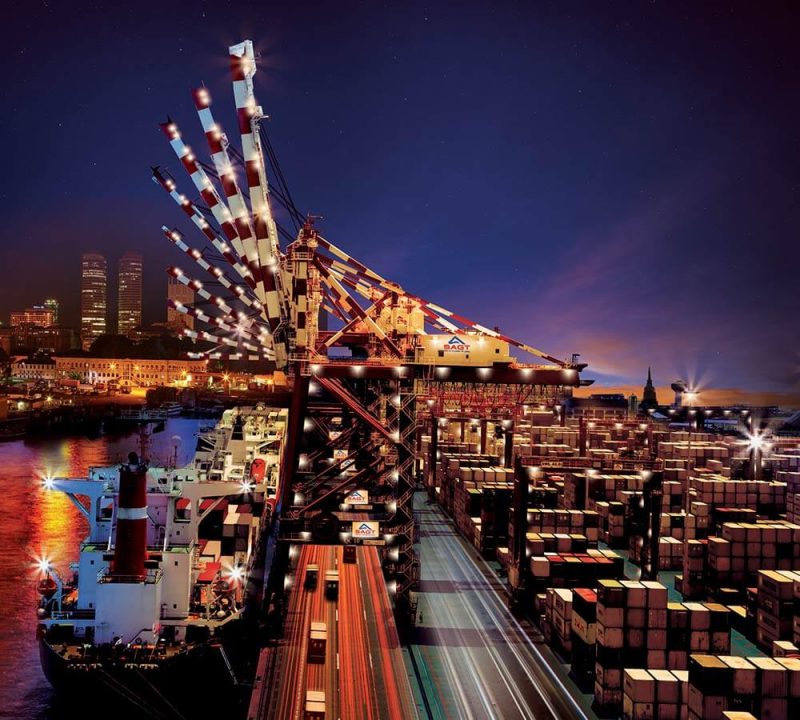
The Terminal Operating System (TOS) is the single most important software at the port; it controls everything from ship berth assignments to yard planning. An effective TOS uses real-time data and AI to perfect every container move. It determines the best placement for each box unloaded and plans the shortest, most efficient route for trucks and internal carriers. For instance, using sophisticated cargo handling equipment planning, the system at a place like SAGT Sri Lanka reduces wasteful movements, guaranteeing the correct container is ready exactly when needed for pickup.
3. Simplify and Digitalise Paperwork
Excessive paperwork is a common, yet avoidable, reason for delays. Customs clearances, manifests, and various other documents often halt an otherwise efficient physical operation. Shifting to a paperless environment is the necessary solution. Moving all documentation to a single digital platform allows stakeholders to submit, approve, and track documents electronically. This includes launching pre-arrival clearance, which lets customs start inspections before the ship docks, saving days of gate waiting time.
4. Design the Yard for Quick Access and Smooth Flow
A poorly planned container yard forces internal carriers to travel long distances or get stuck in traffic, creating serious bottlenecks that slow quay crane performance. Optimising the yard layout is critical. This involves high-density stacking and organising containers based on expected departure (truck or rail) and timing. A logical, organised yard makes urgently needed containers easy to retrieve, cutting down on time wasted searching or shifting boxes. This planning maximises available space while keeping the movement of goods quick and unobstructed.
5. Stop Fixing Things Only When They Break: Switch to Predictive Maintenance
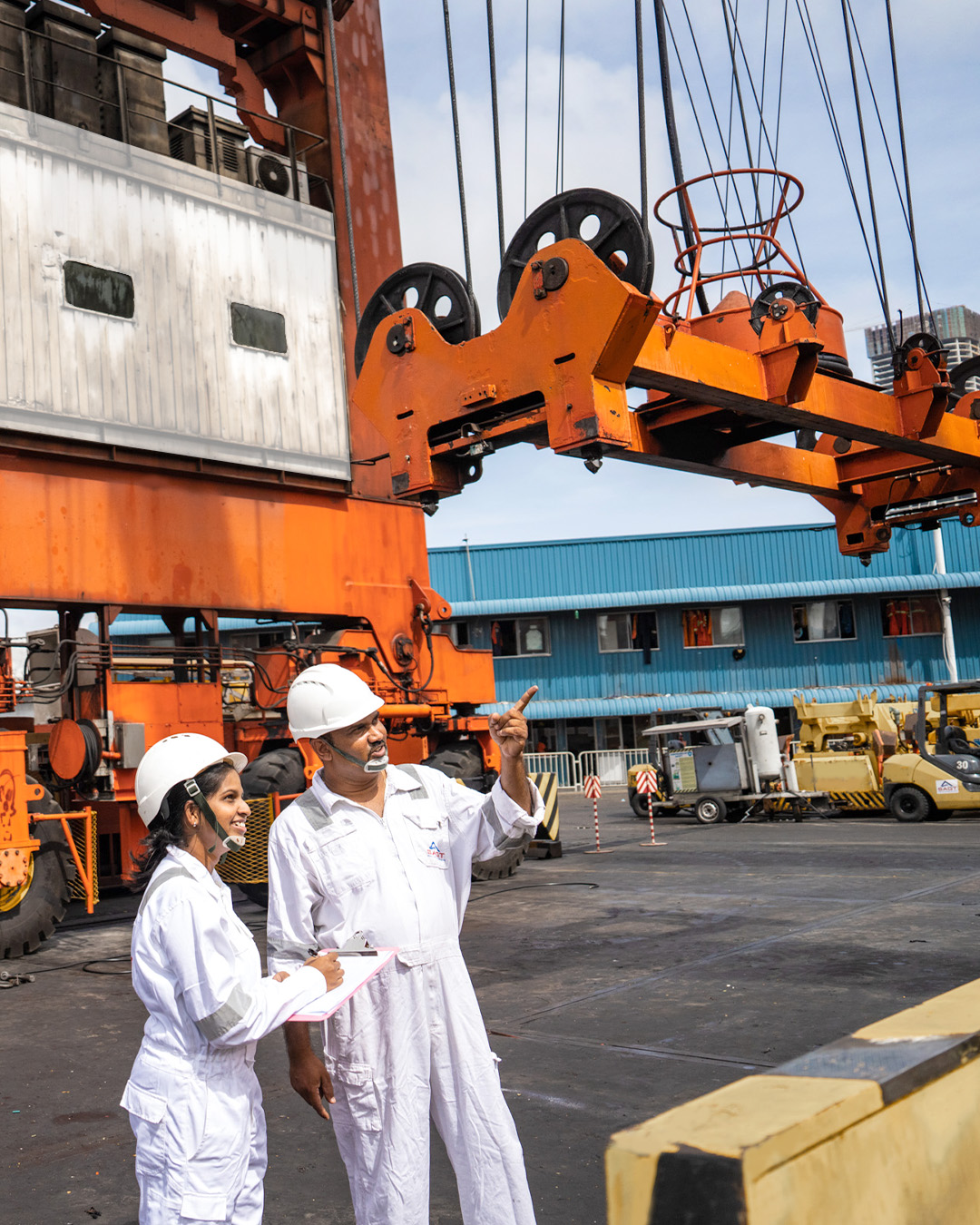
The speed of port operations relies directly on the dependability of its heavy machinery, namely quay cranes and Rubber-Tyred Gantry (RTG) cranes. A single machine failure can shut down an entire operation for hours. Predictive maintenance is essential. Ports use sensors and data analytics to track equipment health, allowing repairs to be scheduled before a breakdown occurs. This keeps vital machinery running at peak condition, meaning cranes are available and rarely fail without warning.
6. Connect All Parties with a Port Community System (PCS)
Cargo handling involves many different groups: the port operator, shipping lines, customs agents, truck drivers, and freight forwarders. Poor communication between these groups immediately causes delays. Ports should implement a Port Community System (PCS) to connect all users, operators, truckers, customs, and forwarders to the same real-time data feed. When everyone works from the same accurate information, truck arrivals can be precisely scheduled, and resources can be assigned proactively, resulting in a much quicker turnaround for both vessels and cargo.