Zambia is a prominent safari destination, widely credited as the birthplace of the walking safari. Its parks offer diverse wildlife encounters, including tracking leopards and conducting canoe safaris on the Zambezi River.
1. South Luangwa National Park: The Walking Safari Genesis
South Luangwa is the established Zambian safari park, recognised as the origin of the modern walking safari. The park is situated around the Luangwa River, where seasonal oxbow lagoons create high concentrations of wildlife during the dry season (May to October). It maintains one of the highest densities of leopards in Africa, making night drives highly productive. The park is home to the endemic Thornicroft’s giraffe. Peak viewing is the late dry period (September-October). The “Emerald Season” (November-April) is optimal for birding and photography. Safaris adhere to established guiding standards.
2. Mosi-oa-Tunya National Park: The Gateway to Adventure
Located near Victoria Falls (Mosi-oa-Tunya), this park is a major Zambian tourism hub and a critical game area. While the falls are the primary attraction, the park also protects a white rhino sanctuary, one of the few Zambian regions where these animals can be tracked on foot. Set in Livingstone, the park is the logistical centre for intense adventure sports, including white-water rafting and gorge swings. These activities are top things to do in Zambia for adrenaline seekers. For convenience, Avani Victoria Falls Resort is located within the park, offering guests complimentary access to the falls viewing points.
3. Lower Zambezi National Park: Canoeing Among Giants
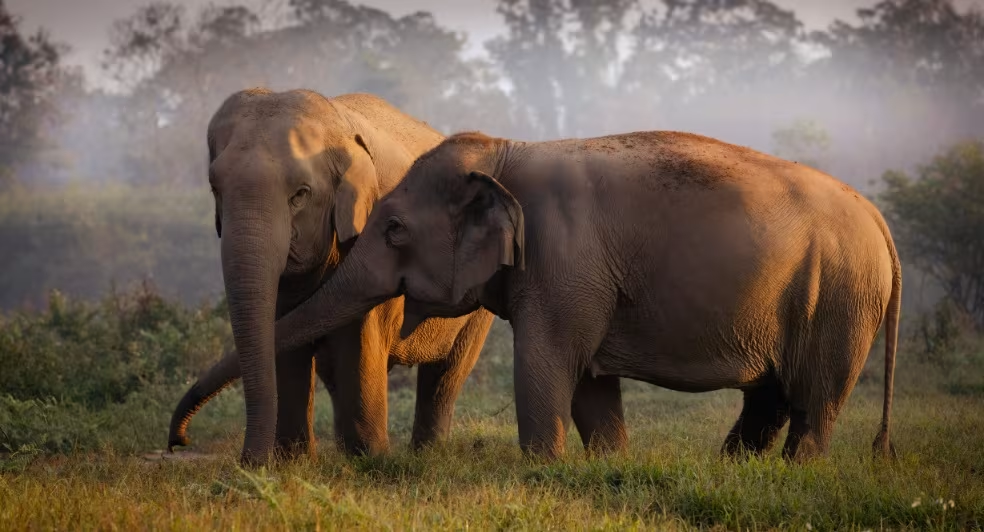
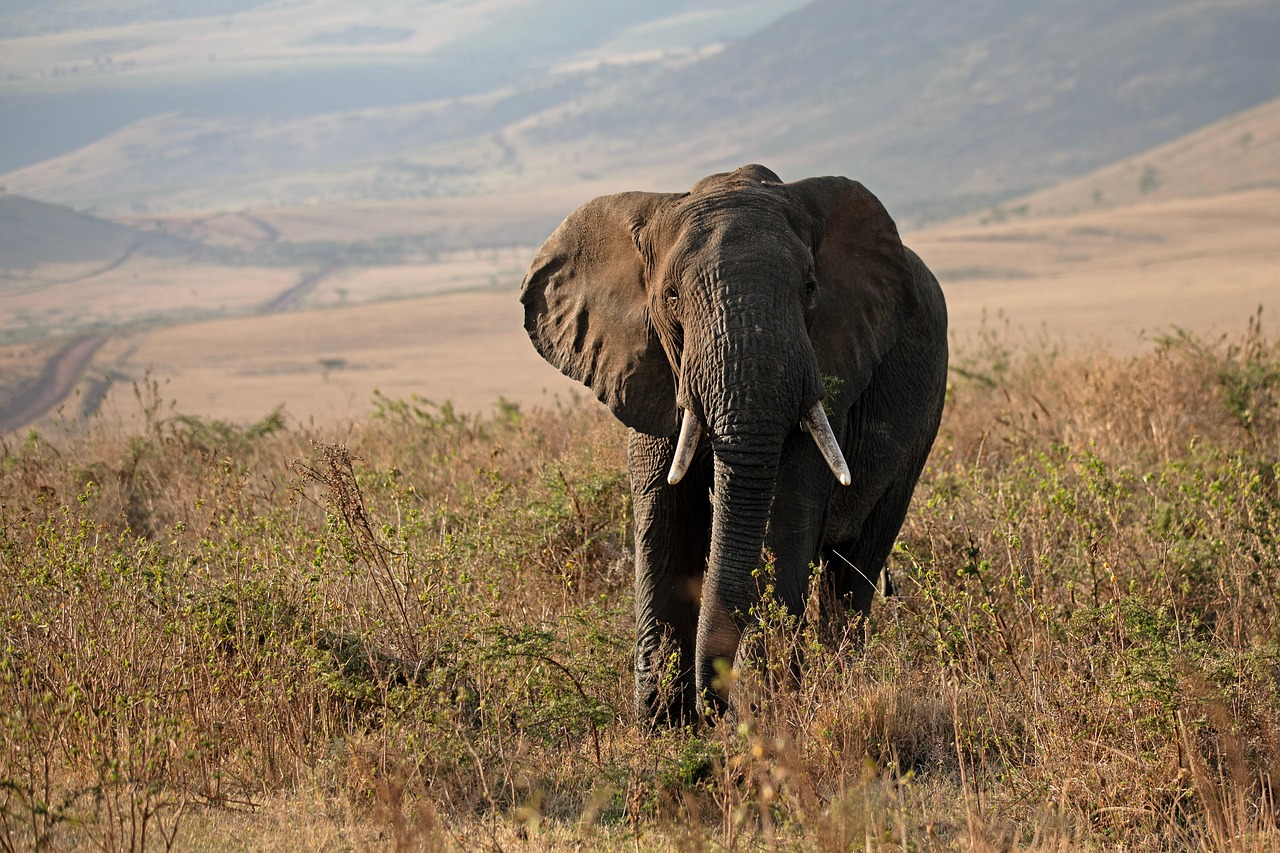
This park specialises in water-based safaris on the Zambezi River. The river’s floodplains attract large concentrations of elephant and buffalo. The core activity is the guided canoe safari, which minimises disturbance while drifting past hippos, crocodiles, and mammal herds. Multi-day canoe trips are available. Lower Zambezi combines boat trips, traditional game drives, and walking safaris. Activities are supplemented by tiger fishing and guiding focused on this riverine environment.
4. Kafue National Park: Africa’s Hidden Wilderness Giant
Kafue is one of Africa’s largest national parks, characterised by its size and low visitor numbers. The northern section contains the large, seasonally flooded Busanga Plains, a major wildlife area. During the dry months (June to October), the plains support significant populations of red lechwe, which attract predators including lions and cheetahs. The park has over 500 recorded bird species, making it a key birding destination. Its size and location provide a remote experience for dedicated safari visitors.
5. Liuwa Plain National Park: The Great Migration Spectacle
Liuwa Plain is one of Africa’s oldest conservation areas, defined by its large, open grasslands in the far west. Its main attraction is the continent’s second-largest annual wildebeest migration, which follows the seasonal rains from November to February. This is an expedition-style experience, characterised by limited eco-sensitive camps and requiring careful logistical planning. The park’s conservation is managed in partnership with the local community, demonstrating successful wilderness renewal and management.
6. Nsumbu National Park: The Lake Tanganyika Edge
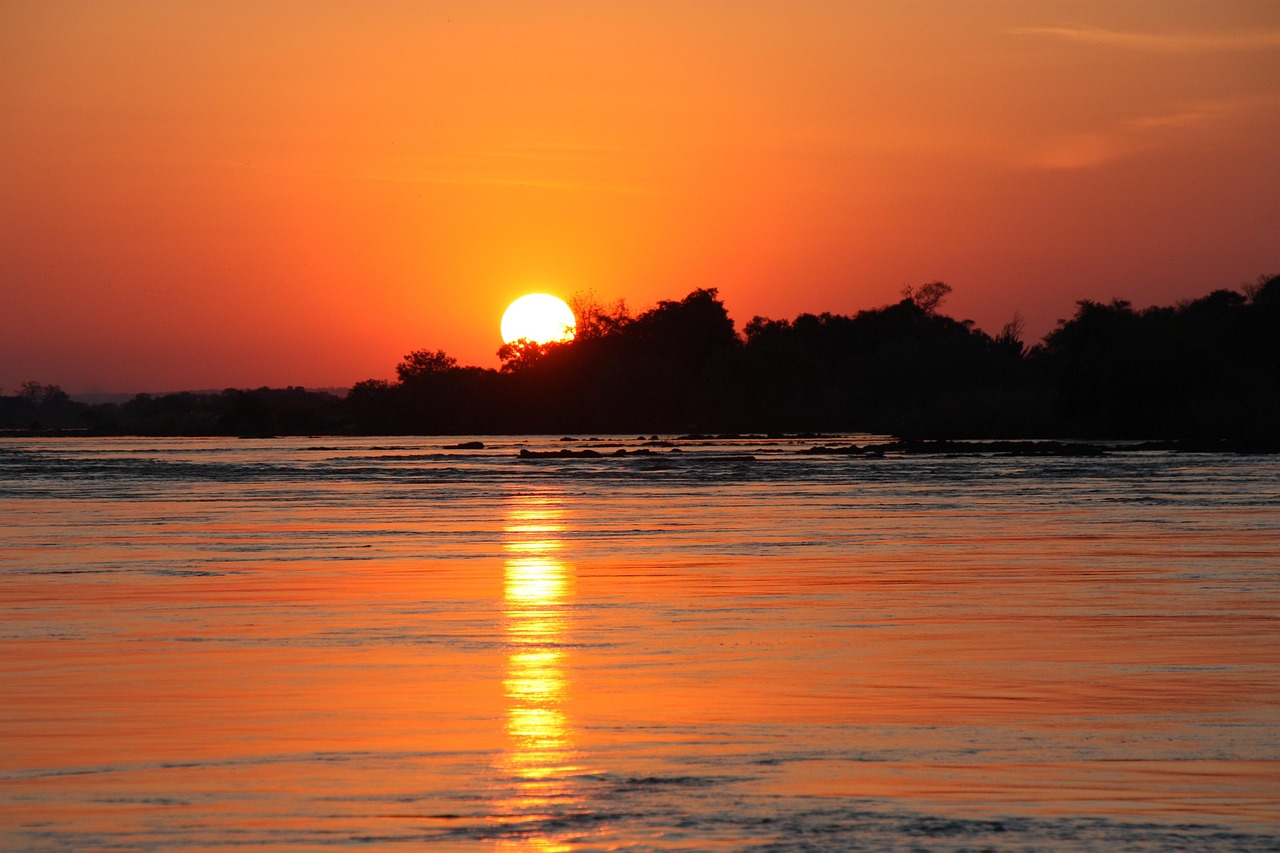
Nsumbu (Sumbu) is located on the northeastern border of the country, offering a safari environment where bushland meets Lake Tanganyika, the world’s longest and second-deepest freshwater lake. The park supports savanna game, including elephant and leopard. The park’s focus is a combination of land and aquatic activities. Visitors can engage in boat safaris, catch-and-release fishing for Nile perch, and snorkelling or diving to view the lake’s endemic cichlid fish. Nsumbu provides a blend of game viewing with a freshwater lake environment.