Phuket is world-renowned for its stunning beaches and vibrant nightlife, but the island’s true soul reveals itself only to those who venture beyond the tourist trail. This tropical paradise holds deep cultural secrets, historical narratives, and local traditions that most visitors never encounter. From its ancient roots as a trading post to its hidden culinary gems and spiritual practices, going local in Phuket transforms a typical holiday into an authentic cultural immersion that will change your perspective forever. Discovering these lesser-known aspects offers a richer, more meaningful connection to Thailand’s largest island and its warm, welcoming people.

1. The Island’s Tin Mining Heritage Shaped Its Architecture and Culture
Long before tourism defined Phuket, the island’s economy thrived on tin mining, an industry that attracted Chinese migrant workers in the 19th century. Their influence remains deeply embedded in Phuket Town’s stunning Sino-Portuguese architecture, characterised by colourful shophouses with ornate doors, shutters, and intricate stuccowork. Exploring the old town’s backstreets reveals a layered history of trade and cultural fusion visible in family-run businesses, ancestral shrines, and community traditions that go far deeper than the island’s beach-centric image suggests.
2. There’s a Secret Vegetarian Festival with Breathtaking Rituals
The Phuket Vegetarian Festival is a nine-day Taoist celebration held each October, featuring breathtaking displays of faith that few outsiders fully understand. Devotees purify themselves through stunning acts of devotion, including firewalking, ascending bladed ladders, and piercing their cheeks with various objects. The entire community adopts a strict vegetarian diet marked by yellow and white flags at participating restaurants and food stalls. Witnessing this profound cultural event offers a powerful glimpse into the island’s spiritual intensity and Chinese cultural roots that remain vibrantly alive today.
3. Old Phuket Has Its Own Unique Dialect and Cuisine
The local Baba-Nyonya culture, descendants of early Chinese settlers, has preserved a unique linguistic and culinary heritage that distinguishes Phuket from other Thai provinces. The Phuket Hokkien dialect differs significantly from standard Thai, and the Peranakan cuisine represents a fascinating fusion of Chinese cooking techniques with Thai spices and Malay influences. Dishes like Moo Hong (five-spice braised pork belly) and Oh Aew (a local shaved ice dessert with red beans and jelly) are beloved local specialities rarely found in tourist areas but cherished in family kitchens.
4. Phuket’s True Luxury is About Privacy and Personalised Experiences
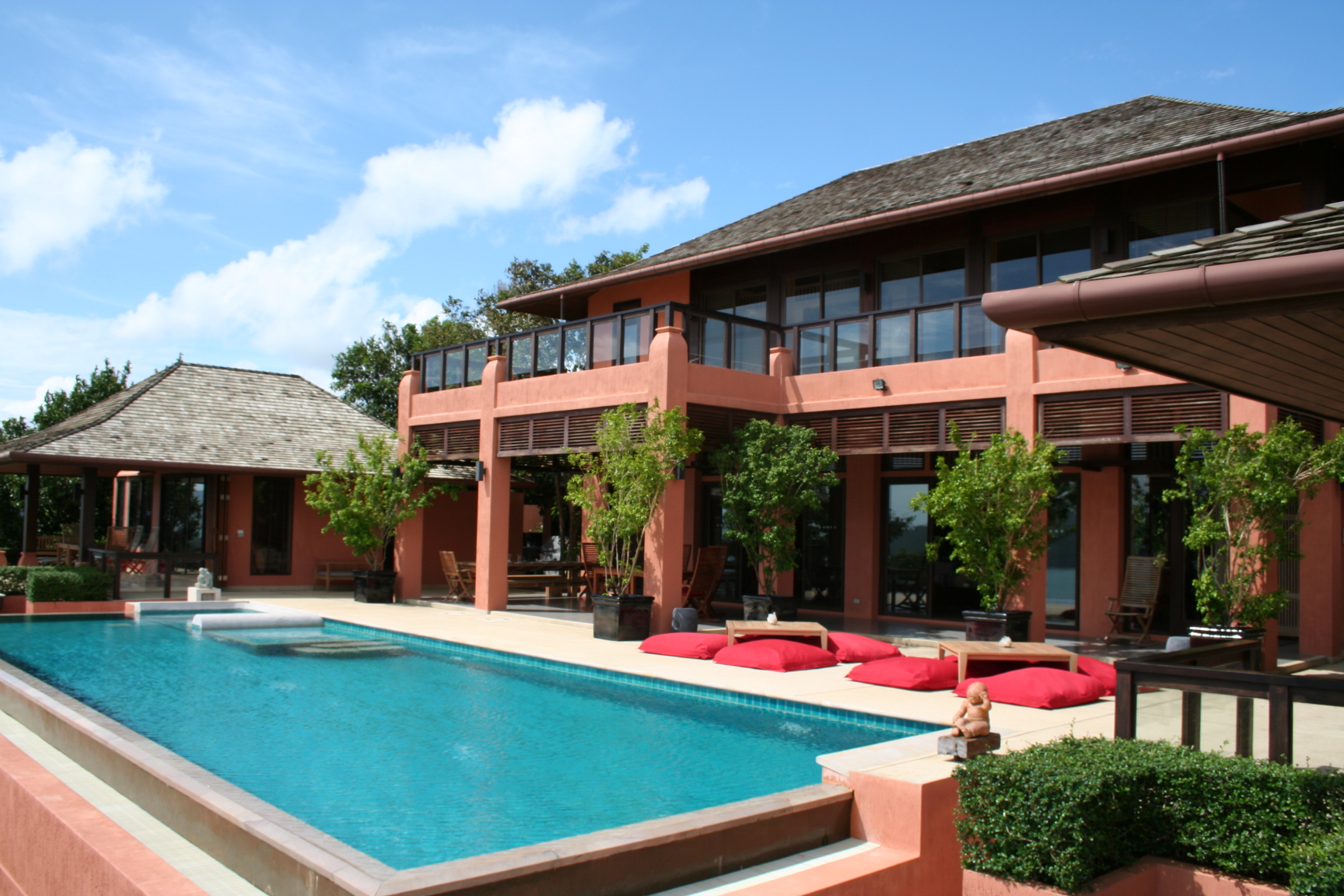
As you explore the island’s hidden gems, you begin to appreciate that Phuket’s ultimate luxury isn’t just five-star amenities but personal space, privacy, and deeply personalised service. This philosophy is perfectly embodied in exclusive properties that offer secluded sanctuaries, such as the Layan Residences by Anantara, where expansive living areas, private gardens, and individualised attention create an environment where you can experience the authentic Phuket while enjoying world-class comfort and discretion that makes you feel the island is exclusively yours to discover and enjoy at your own pace.
5. The Island Has More Than 30 Beaches Beyond the Famous Ones
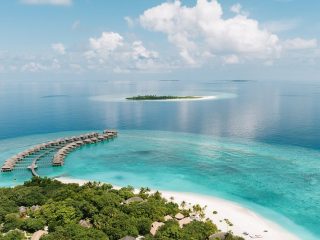
While Patong Beach draws the crowds, locals know that Phuket’s coastline offers numerous quieter alternatives with their own unique character. Beaches like Freedom Beach, Ao Sane, and Laem Singh provide more intimate settings with clearer waters and dramatic rock formations. Some are only accessible by boat or through hidden pathways, offering the seclusion that many travellers seek but rarely find. This level of exclusivity and privacy is also reflected in the residential market, particularly for those seeking private pool villas in Phuket for sale in tranquil, elevated locations away from the busy coastal strips, where you can enjoy panoramic views in complete serenity.
6. Phuket’s Gibbon Rehabilitation Project Addresses a Sad History
Many visitors encounter gibbons on beaches or in bars for photo opportunities, unaware these animals are often illegally poached as infants, with their mothers killed in the process. The Gibbon Rehabilitation Project in Khao Phra Thaeo National Park works tirelessly to rescue these primates, provide medical care, and gradually return them to the wild through a careful multi-stage process. Learning about this important initiative reveals both a darker side to tourism and highlights how visitors can support ethical wildlife experiences that protect rather than exploit these magnificent creatures.
7. Local Morning Markets Offer an Authentic Food Experience
Beyond the tourist-oriented food courts, morning markets like Banzaan Fresh Market in Patong and Limelight Avenue market in Phuket Town operate before dawn, serving authentic Thai breakfasts and the freshest local produce. This is where locals shop for the day, eating traditional dishes like khanom jeen (fresh rice noodles with various curries) and jok (rice porridge) while socialising with neighbours. These markets offer a genuine slice of daily Phuket life, far from the resort buffet lines and provide opportunities to taste regional specialities you won’t find elsewhere.
8. There are Spectacular Hidden Viewpoints Beyond the Famous Ones
While the Big Buddha and Karon Viewpoint attract busloads of tourists, locals head to spots like the Windmill Viewpoint in Ya Nui or the secret radar tower road in Cape Panwa. These locations offer equally spectacular panoramas of the island’s dramatic coastline without the crowds, often accompanied only by the sound of the wind and rustling trees. Visiting at sunrise or sunset provides a truly magical experience that feels personally discovered rather than commercially packaged.