
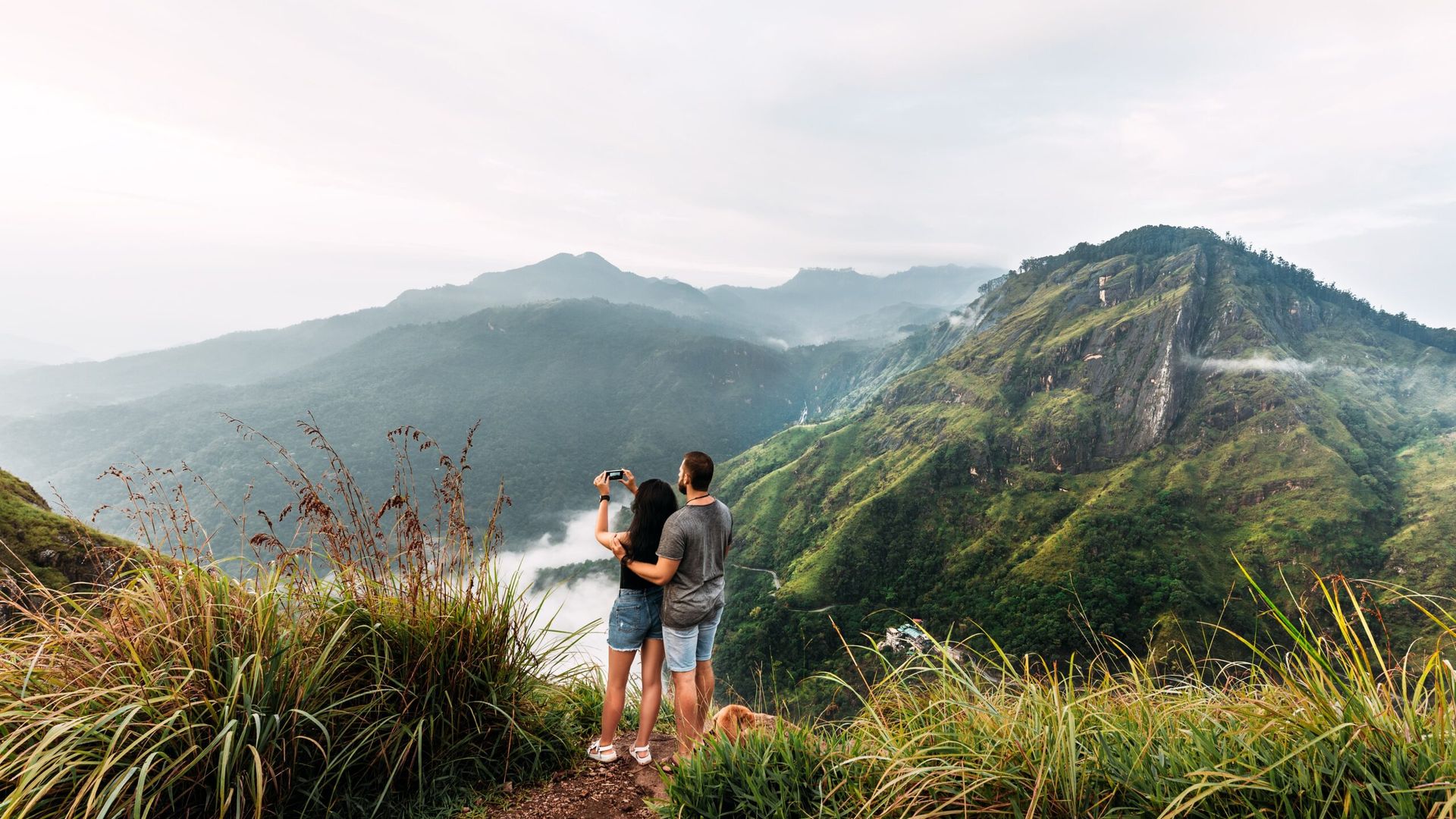
Sri Lanka is an incredible destination – a collage of ancient culture, verdant landscapes, wildlife, and golden beaches. To make the most of your journey, a little preparation goes a long way. Here are eight essential things to take care of before you travel.
1. Get Your Visa in Order
Most travellers need a visa to enter Sri Lanka. The Electronic Travel Authorisation (ETA) can be applied for online prior to arrival and is usually processed quickly. Ensure your passport is valid for at least six months beyond your travel dates and keep a printed or digital copy of your approval.
2. Purchase a SIM Card
Staying connected is easy in Sri Lanka. While Wi-Fi around the island isn’t always reliable, you can purchase a local SIM card at the airport upon arrival, with affordable data packages available. This is useful for navigation, ride-hailing apps, and staying in touch while travelling across the country, with providers like Dialog and SLT providing popular plans.
3. Carry Enough Cash
While hotels and larger restaurants accept cards, cash is still widely used, especially in rural areas, markets, and for public transport. ATMs are available in cities, but carrying smaller denominations is helpful for daily expenses. This is especially important in Sri Lanka on tours that cover museums, hiking trails, or any attractions that require paying a fee on entry.
4. Keep an Eye on Weather Reports
Sri Lanka experiences two monsoon seasons that affect different parts of the island at different times. During the southwest monsoon, the western provinces may experience heavy rainfall, while eastern regions enjoy clear weather. Meanwhile, the northeastern monsoon brings showers to the east coast, and blue skies to the west. These weather patterns aren’t always consistent, though, so checking updated weather forecasts helps you plan beach days, safaris, and hill-country travel more effectively.
5. Bring Modest Wear
When visiting temples and religious sites, modest clothing is essential. Shoulders and knees should be covered, and shoes must be removed before entering. Light, breathable clothing that respects local customs is ideal for the tropical climate.
6. Understanding Public Transport
Public transport in Sri Lanka includes buses and trains, which are affordable and widely used. Trains, especially in the hill country, offer scenic routes but can be crowded. Booking reserved seats in advance is recommended for longer journeys. Alternatively, opting for private tours, such as those run by Walkers Tours, makes navigating transport options much less complicated.

7. Practise Safe Beach Etiquette
Sri Lanka’s beaches are beautiful, but ocean conditions can vary. Pay attention to warning flags, avoid swimming in strong currents, and follow local advice. Remember that riptides can also be deadly, and will often be pointed out by lifeguards and locals in the area. In terms of etiquette, modest behaviour on less touristy beaches is also appreciated.
8. Be Respectful of the Wildlife – Know the Do’s and Don’ts
Sri Lanka is rich in biodiversity, from elephants roaming wildlife reserves to marine life that call colourful reefs home. Always maintain a safe distance, read up on park rules again, and avoid feeding or disturbing animals. These practices are especially important when visiting the habitats of endangered wildlife, and breaking the rules may lead to legal trouble. Generally, ethical wildlife experiences ensure safety for both visitors and animals.