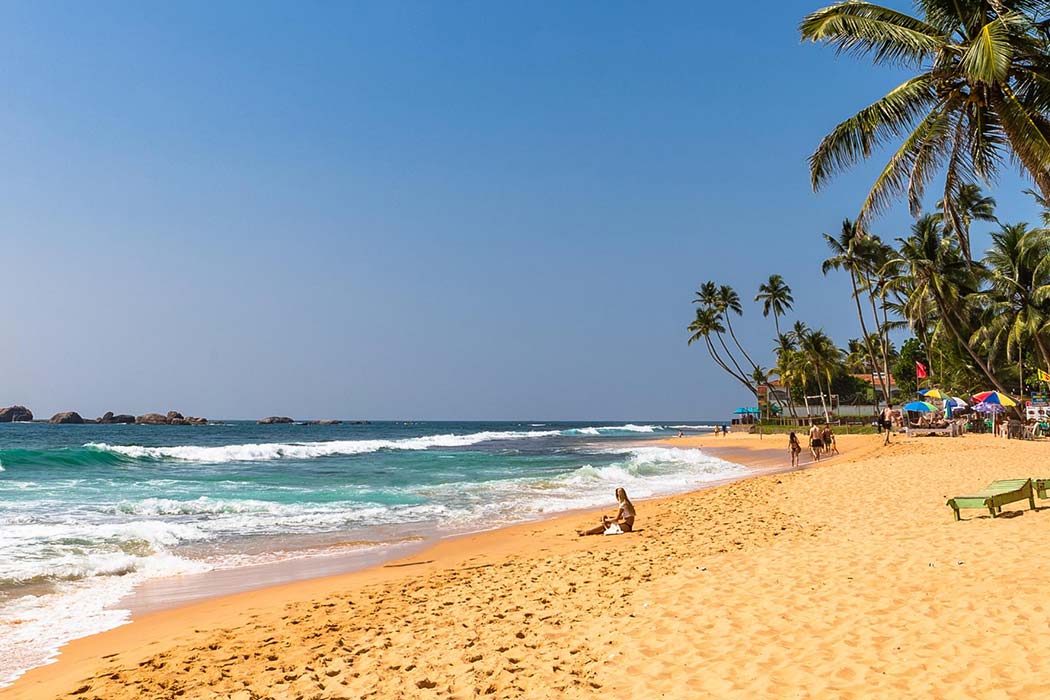
Sustainable tourism has never garnered more global attention, with countries around the world embracing the eco-conscious initiative. Sri Lanka too has jumped on the bandwagon and will certainly reap its benefits, for it’s an island blessed with so much charm and idyll that deserves preservation.
1. Government-Led Sustainable Tourism Framework
Sri Lanka Tourism Development Authority (SLTDA), which is the government authority tasked with planning, development, regulation, and policy implementation of tourism, is also at the forefront of driving the country’s sustainable tourism initiatives. Their strategies focus on preserving natural and cultural heritage, while balancing economic growth with environmental stewardship and community well-being. While those initiatives involve a great deal of subtlety, if managed well, they certainly can benefit a country as heavily reliant on tourism as Sri Lanka, while contributing to sustainability that benefits local residents.
One such program is the National Sustainable Tourism Certification Scheme (NSTCS), which is carried out in partnership with the United Nations Development Programme (UNDP) and the Biodiversity Finance Initiative (BIOFIN). This program aims to promote and certify tourism businesses that adopt environmentally and socially responsible practices. Moreover, it also encourages sustainability in services such as waste management, energy efficiency, and cultural preservation.
Another program implemented alongside NSTCS is the National Sustainable Destination Certification (NSDC). It is a destination-wide certification program targeting all nine provinces of the country, which focuses on various sustainability goals, such as reducing single-use plastics, improving waste management, managing visitor crowds responsibly, and engaging local communities in tourism decision-making.
2. Community-Centered and Private Initiatives
As a nation that wholly embraces sustainable development practices, it’s not only the government that is involved, but community groups and private operators also contribute to creating a more responsible travel ecosystem.
Sri Lanka Ecotourism Foundation (SLEF), established in 1998, promotes community-based tourism by empowering rural communities and supporting local conservation efforts. They help small villages in building tourism-based income streams while maintaining cultural integrity and natural heritage. Other local ecotourism operators also focus on supporting local livelihoods in various ways, such as partnering with village-owned accommodations, employing local guides, and encouraging cultural exchange activities that benefit residents directly.
3. Conservation and Nature-Based Tourism Projects
From rainforests to wetlands and beaches, Sri Lanka is blessed with some of the world’s finest natural wonders, which have become focal points for projects that combine preservation with tourism. These nature-based initiatives can range from nature tours to eco-guiding and training. Moreover, you can also find a host of eco friendly hotels in Sri Lanka, including the likes of Araliya Hotels & Resorts.

4. Industry and Alliance Collaboration
The Sri Lanka Tourism Alliance is a private sector network that promotes sustainable tourism through training opportunities, data-driven planning, and innovative practices that benefit both communities and tourism businesses. They are known for carrying out projects that aim to integrate sustainability across the industry.
5. The Future of Sustainable Tourism in Sri Lanka
As Sri Lanka will undoubtedly benefit from its shift toward sustainable tourism, the country will continue to embrace the eco-conscious initiative while involving government policy, international partnerships, community engagement, and private innovation.