

Yangon serves as the perfect base for day trips to Lower Myanmar’s key cultural and historical sites, including Mon dynasty relics and important pilgrimage destinations. This guide details the five most informative and logistically feasible excursions.
1. Bago: The Former Royal Capital
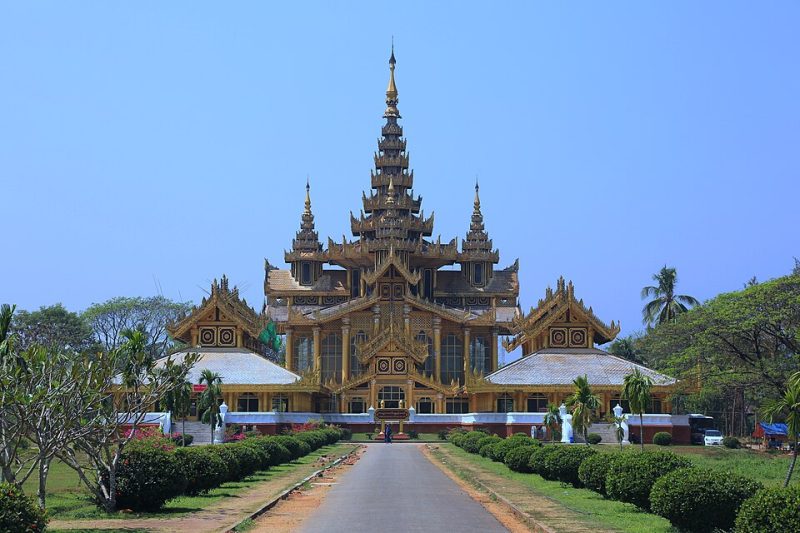
Located approximately 80 kilometres (50 miles) north of Yangon, Bago is the ancient centre of the Mon Kingdom of Hanthawaddy and is reachable in about two hours by car. Key sites include the Shwemawdaw Pagoda, which, at 114 metres (374 ft), stands as Myanmar’s tallest. Though reconstructed after a devastating 1930 earthquake (remnants of the original hati are displayed on the platform), it remains a vital religious site, generally open from 6:00 AM to 9:00 PM.
Visitors must also see the serene Shwethalyaung Buddha, a massive and revered reclining Buddha image measuring 55 metres (180 ft) in length. Access to most historical sites requires a Bago Archaeological Zone ticket (approximately $10 USD).
2. Kyaiktiyo (Golden Rock): The Ultimate Spiritual Challenge
A day trip to the Golden Rock is ambitious due to the distance, but it is one of Myanmar’s most important pilgrimage sites. The central feature is the Golden Rock Pagoda, a small, gold-leafed shrine precariously balanced on a granite boulder at the edge of a cliff, believed to be held in place by a hair relic of the Buddha. The drive from Yangon to the Kinpun Base Camp takes around 4-5 hours. From Kinpun, open-top trucks transport visitors up the steep, winding mountain road (approx. 45 minutes) to the Upper Junction.
For travellers who seek efficient organisation and comfortable lodging, a base like Chatrium Hotel Royal Lake Yangon is an advantageous starting point. It offers easy access to transport hubs for the necessary early morning departure required to complete this challenging, yet rewarding, spiritual journey.
3. Twantay & Dala: Traditional Artisanal Communities
This excursion provides a direct contrast to Yangon’s metropolitan pace by focusing on rural riverine life and traditional crafts. Access involves taking a public ferry across the Yangon River to Dala, then continuing overland (via taxi or trishaw) another 20 kilometres (12 miles) to Twantay. Twantay is famous for its large, traditional earthenware water pots; visitors can observe the pot-making process firsthand at local workshops, which generally operate during daylight hours (approx. 8:00 AM to 5:00 PM), witnessing methods that have remained consistent for generations. The journey through this region, also home to the historical Shwesandaw Pagoda, offers an authentic look into Myanmar’s longstanding artisanal heritage.
4. Shwe Myet Man Paya: The Sacred Snake Sanctuary
This temple, located in Paliek village south of Bago, offers a truly unique blend of Buddhist worship and spiritual animism. The site is known for the sacred pythons that inhabit the grounds and are often seen resting on or near the main Buddha images, revered by devotees as reincarnations of Nats (spirits) or respected monks. This cultural context illustrates the powerful coexistence of traditional animistic beliefs with mainstream Theravada Buddhism in Myanmar.
Securing reliable private transport is absolutely crucial for reaching this slightly remote destination. Selecting a centrally located and well-regarded hotel in Yangon simplifies the process of arranging secure, guided day tours for unique and authentic cultural immersions like this.
5. Htaukkyant War Cemetery: Solemn War History
A geographically convenient and powerful stop on the route toward Bago or Kyaiktiyo, this site offers a critical historical perspective on the conflicts of World War II. The cemetery is the final resting place for nearly 6,400 Commonwealth service personnel and features the Rangoon Memorial, which lists the names of almost 27,000 missing soldiers who died during the intense Burma Campaign. (Note: The Rangoon Memorial section, which lists the names of the missing, is currently undergoing maintenance and may be inaccessible to visitors. The main cemetery grounds, which contain the graves, remain open.) Meticulously maintained by the Commonwealth War Graves Commission, this tranquil and sobering site provides a powerful historical counterpoint to the country’s ancient religious sites.


_04.jpg)
