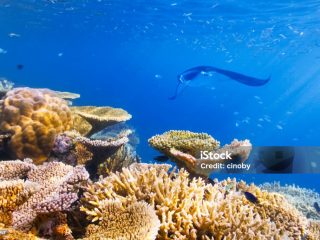
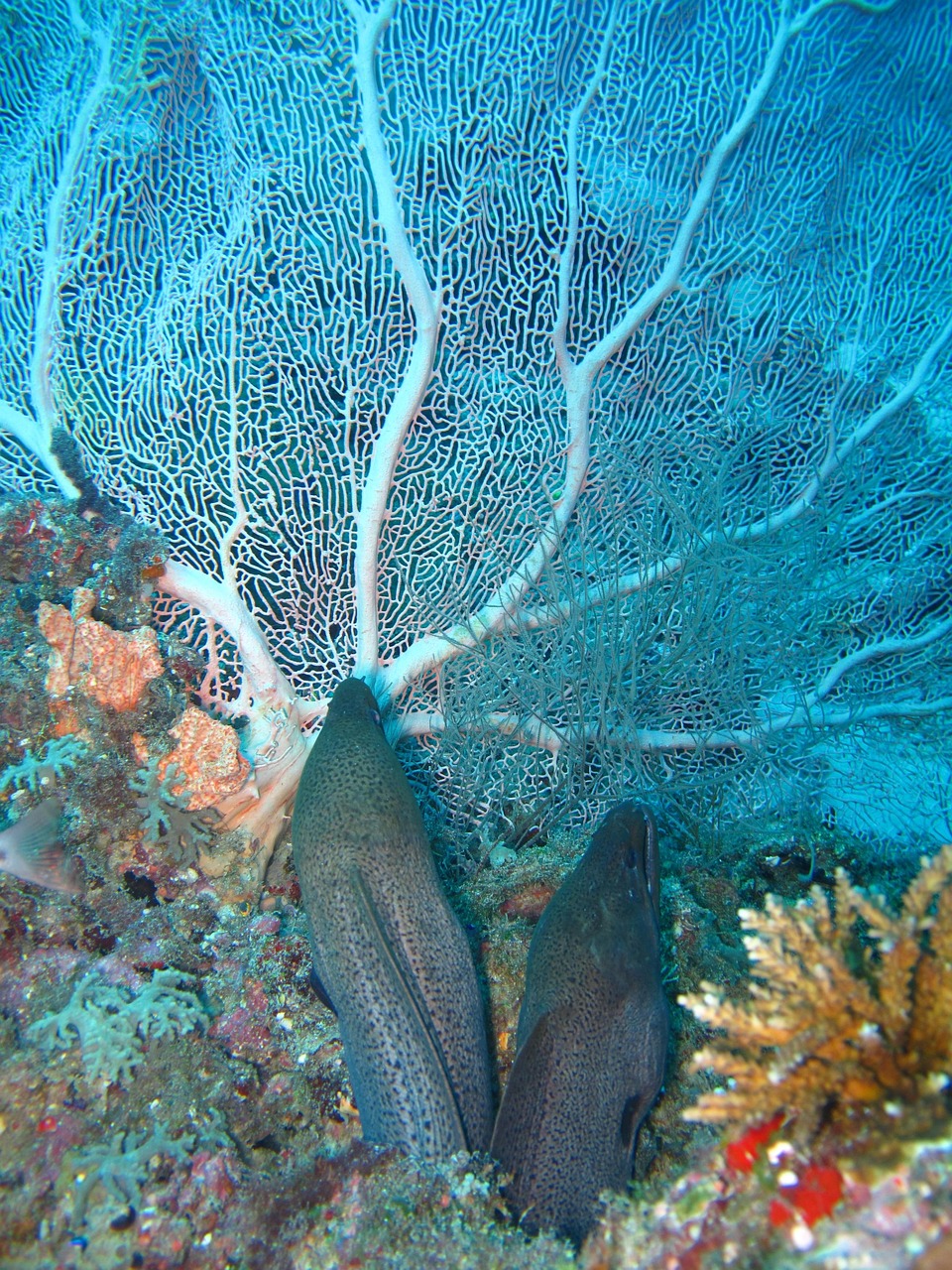
The Republic of Maldives comprises approximately 1,190 to 1,200 coral-formed islands atop an ancient, submerged mountain range. This geographical structure supports one of the most complex and vital reef ecosystems globally, crucial for both marine biodiversity and the nation’s protective barrier against the open ocean.
Keystone Species and Biodiversity
These reefs, classified primarily as fringing and barrier reefs, host approximately 240 to 250 species of hard coral and act as feeding and breeding grounds for over 1,100 species of reef fish. Keystone species, such as the parrotfish, are essential for maintaining the reef’s health by grazing on algae, preventing it from overgrowing the coral.
Reef Accessibility and Luxury Stays
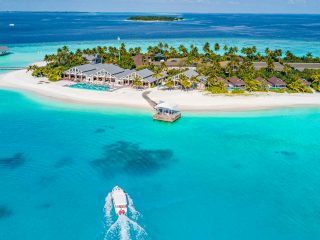
The proximity of coral formations to inhabited islands facilitates easy access. Many resorts feature an extensive house reef, allowing guests to snorkel directly from the beach or their water villa deck, minimising boat travel. The option of booking a Maldives pool villa provides an exclusive base for divers and snorkelers seeking privacy and comfort after their excursions.
Geological Structure and Atoll Dynamics
The atolls are circular formations, each separated by deep ocean channels, which create strong currents that attract large pelagic species. For visitors prioritising premium reef access, resorts like OBLU SELECT Lobigili offer immediate exploration of a vibrant, easily accessible house reef directly from their accommodation.
Threats and Conservation Efforts
The primary threat to these reefs is coral bleaching caused by rising sea surface temperatures due to climate change. Local initiatives focus on coral gardening: fragmenting and transplanting healthy coral to accelerate reef regeneration. Sustainable tourism practices, including adherence to marine protected area guidelines, are vital for preserving this delicate environment.