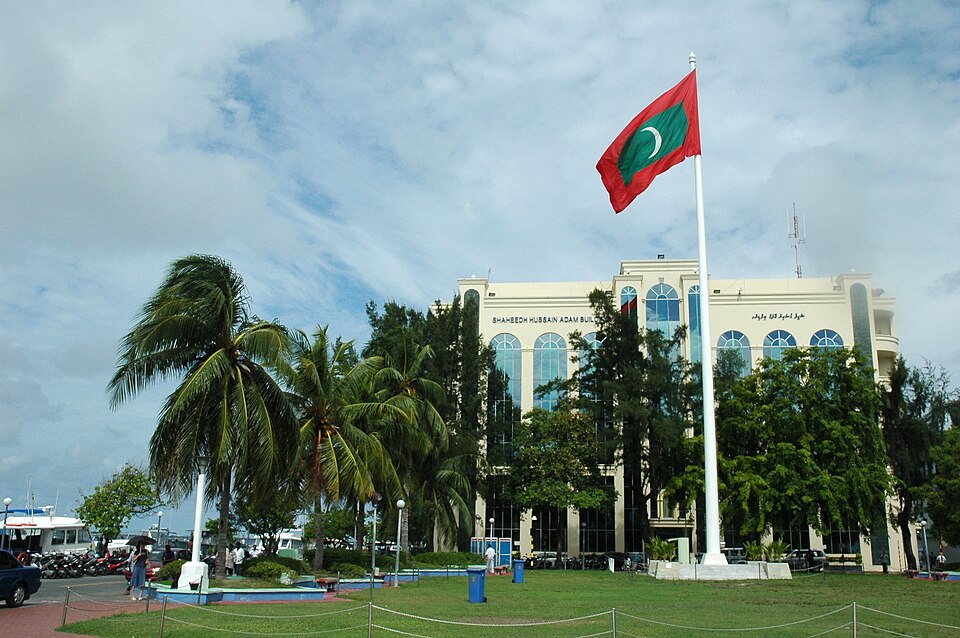
The Maldives is known worldwide for its turquoise waters and luxury resorts, but its true soul is revealed through vibrant festivals rooted in faith, tradition, and community life. While you may need to leave your resort for these, local celebrations shape the islands’ cultural identity and offer meaningful insight into Maldivian customs.
1. Hijri New Year
Unlike the first of January or New Year’s days in other cultures that are marked by harvest seasons, the Islamic New Year is observed quietly, emphasising reflection and spiritual renewal. Religious gatherings and sermons encourage mindfulness, making it a more contemplative celebration compared to other festivals.
2. Ramadan
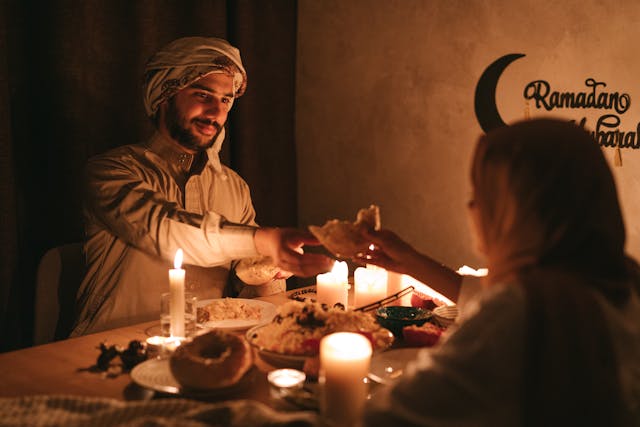
Ramadan is one of the most sacred periods in the Maldives, marking the 9th month of the Islamic calendar. From dawn to dusk, locals fast, focusing on prayer, reflection, and charity. As evening falls, families and neighbours gather to break their fast together, creating a strong sense of unity across the islands.
Breaking fast also means a feast of delicious Maldivian cuisine, which includes spiced beverages (suji), dates, sweet and savoury short eats (hedhika), roti (roshi) for suhoor, and gentle sago desserts (bondibaiy). However, if you missed the Ramadan season, resorts like Adaaran Select Meedhupparu Maldives offer a taste of these flavours year-round.
3. Kuda Eid
Kuda Eid, or Eid al-Fitr, marks the end of Ramadan and is celebrated with joy and generosity. Homes are decorated, new clothes are worn, and traditional dishes are shared. Children receive gifts, and community prayers set a festive tone nationwide. At some resort islands in the Maldives, places to stay might pair the usual hotel fare with cultural experiences, such as boduberu drumming and dances. Overall, it’s a joyful finale to a season of reflection and giving, paired with classic Maldivian island charm.
4. Bodu Eid
Bodu Eid, also known as Eid al-Adha, commemorates sacrifice and devotion as another important celebration in the Islamic calendar. Families prepare special meals and distribute food to those in need. Much like Ramadan and Kuda Eid, cultural performances, including Boduberu drumming and folk dances, often accompany the celebrations.
5. Prophet Muhammad’s Birthday
Known locally as Milad un Nabi, this day honours the Prophet Muhammad through prayers (salawat), storytelling, and religious lectures. Mosques and public spaces are adorned with decorations and large feasts, and the focus remains on compassion and moral values. A highlight of the festivities includes ‘Malood’, a type of ritualistic singing in Arabic to honour the revered Prophet.
6. Independence Day
Celebrated on July 26, Independence Day marks the Maldives’ freedom from British rule. Schools, government offices, and communities host parades, flag-hoisting ceremonies, and cultural performances. It’s a day of national pride that highlights the Maldives’ history, resilience, and unity.
7. Fishermen’s Day
Fishermen’s Day, on December 10, honours the fishing community that has sustained the islands for centuries. The festival includes boat races, exhibitions, seafood feasts, and competitions showcasing traditional fishing skills. It is both a tribute and a celebration of the livelihoods that remain central to Maldivian life.
8. Food Festivals
Finally, contemporary food festivals celebrate Maldivian cuisine, featuring dishes like mas huni, garudhiya, and spicy curries. Street food favourites are also a big hit at food festivals, with classics like bis keemiya and boakibaa on display. Ultimately, it’s all about the community, brought together through a wonderful blend of culinary heritage with music, crafts, and cultural performances.