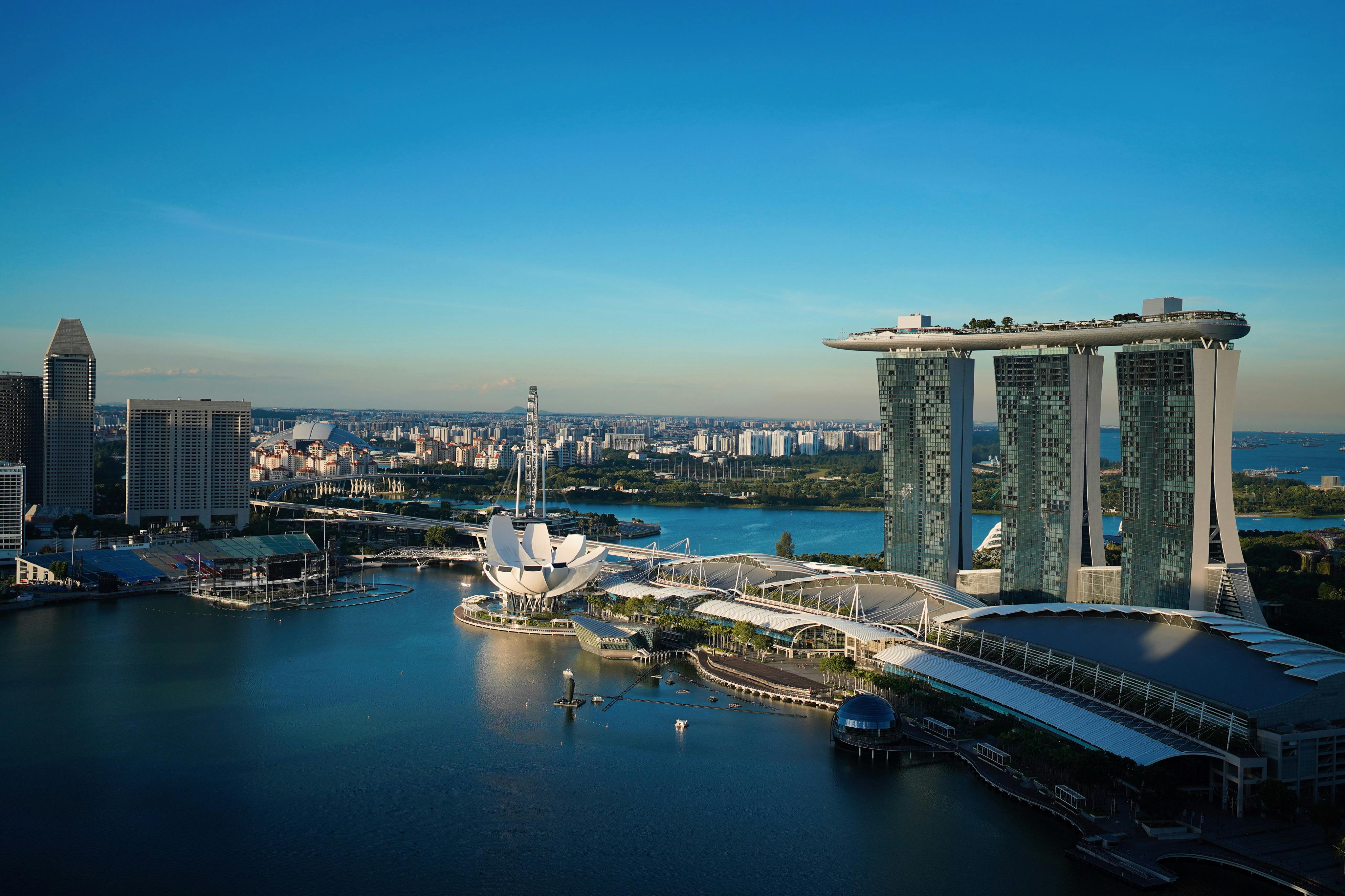
Singapore offers far more than the polished skyline of Marina Bay. Its neighbourhoods each carry a unique rhythm, from upscale shopping districts to cultural quarters rich with tradition. Exploring these areas reveals the city’s everyday life, character, and creative energy.
1. Orchard Road: Singapore’s Iconic Boulevard of Style
Orchard Road remains one of the city’s most recognisable districts, known for its long stretch of shopping centres, dining venues, and prominent hotels. Visitors staying at Orchard Hotel Singapore experience immediate access to the area’s vibrant streets, where a mix of international brands, independent boutiques, and modern malls line the boulevard.
ION Orchard and Ngee Ann City, located near the best hotels on Orchard Road, Singapore, offer a blend of luxury names and mid-range favourites, while smaller malls such as Far East Plaza cater to those seeking fashion bargains or niche services. The area is also increasingly known for its food scene, from high-end restaurants to food courts serving local dishes.
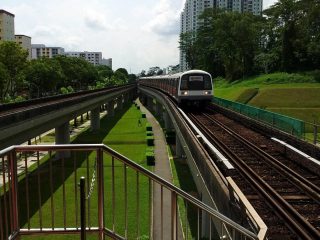
Orchard Road’s wide pavements and greenery create an environment that is both busy and comfortable, making it a popular choice for business travellers and holidaymakers. Its central location provides straightforward MRT access to the rest of Singapore, allowing visitors to explore surrounding neighbourhoods with ease. This combination of convenience, variety, and atmosphere ensures Orchard Road remains more than a shopping district; it is a dependable base for experiencing contemporary Singapore.
2. Bugis & Kampong Glam: Creative Streets and Cultural Identity
Bugis and the adjoining Kampong Glam district present an energetic mix of heritage and modern culture. Once known mainly for traditional shopfronts and markets, the area has evolved into a lively creative hub where fashion stalls, cafés, and arts spaces sit alongside historic landmarks.
Arab Street and Haji Lane stand out in particular. Haji Lane’s narrow walkway is lined with independent boutiques, colourful murals, and cafés that reflect the district’s youthful appeal. Meanwhile, Arab Street offers textiles, perfume shops, and carpet stores, continuing its long-standing reputation as a centre of craftsmanship.
A short walk away, Sultan Mosque remains one of Singapore’s most recognisable religious sites, anchoring the neighbourhood’s cultural significance. Visitors appreciate the balance between old and new, with shopping options like Bugis Junction and Bugis+ contributing to the area’s appeal. This district offers an accessible look into Singapore’s multicultural character while also serving as a meeting point for designers, musicians, and young professionals.
3. Tiong Bahru: Old-World Charm with Modern Living
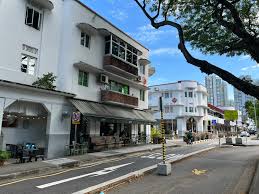
Tiong Bahru is often described as one of Singapore’s most appealing residential estates, thanks to its distinctive architecture and relaxed community atmosphere. Built in the 1930s, the neighbourhood features low-rise Art Deco blocks that give it a unique appearance compared to the city’s high-rise landscape.
The area has grown into a favourite spot for visitors seeking a slower pace. Tiong Bahru Bakery and several independent cafés add a modern touch, attracting both locals and travellers. Bookstores, lifestyle shops, and small galleries offer a mix of curated goods and creative work, contributing to the neighbourhood’s thoughtful ambience.
Tiong Bahru Market is a highlight, offering well-known hawker dishes such as chwee kueh, lor mee, and prawn noodles. The market’s popularity reflects its role as a trusted place for everyday meals. The neighbourhood’s walkability, greenery, and strong sense of community make it ideal for experiencing the quieter side of Singapore while still being close to the city centre.
4. Little India: A District Alive with Colour and Tradition
Little India is one of Singapore’s most vibrant cultural areas, characterised by its lively streets, traditional shops, and strong sense of heritage. Visitors quickly notice the aromatic spice stores, flower garland vendors, and gold jewellers that continue to shape the district’s identity.
At the heart of Little India, Tekka Centre remains a cornerstone of the community, offering affordable meals, fresh produce, and a genuinely local atmosphere. Sri Veeramakaliamman Temple stands as an important religious landmark, known for its intricate sculptures and deep cultural significance.
While rooted in tradition, Little India also embraces modern influences. The area includes contemporary art spaces, boutique hotels, and tech offices that introduce new energy into the district. Events such as Deepavali add to its festive spirit, drawing both residents and tourists to enjoy its celebrations. For those seeking culture, food, and activity all in one place, Little India provides an immersive experience.
5. Sentosa & HarbourFront: Leisure, Nature, and Seaside Views
For visitors who prefer a coastal setting, the Sentosa and HarbourFront area offers a refreshing change from urban exploration. Sentosa is widely known for its beaches, attractions, and luxury resorts, but there is also a calmer side to discover, particularly in the early mornings and evenings when the island is quieter.
HarbourFront serves as the gateway to Sentosa, home to VivoCity, one of Singapore’s largest shopping centres. The boardwalk connecting to the island provides scenic views of the waterfront and is a pleasant alternative to the monorail. Popular spots such as Siloso Beach, Palawan Beach, and the scenic Fort Siloso Skywalk offer a combination of relaxation and outdoor activity.
Beyond entertainment venues, Sentosa includes nature trails and quiet lookout points that highlight a different aspect of Singapore’s landscape. The Southernmost Point of Continental Asia and the coastal boardwalks allow visitors to enjoy sea views and open space, making this district well-suited to families, solo travellers, and anyone seeking a leisure-centred experience.