Most of Suzhou’s city wall came down after 1949, but the canals and lanes inside the old moat remain. The quieter southern side of the old town offers a good look at them, and this walking route connects a rare land-and-water gate, a hill-centred garden and a lively restaurant street.
Panmen, a Gate for Land and Water
Panmen is the best-preserved section of the old wall, with separate gates for people and boats. Nearby, Wumen Bridge and Ruiguang Pagoda complete the Three Sights of Panmen. Pan Pacific Suzhou sits beside the Panmen scenic area, about a five-minute walk from Nanmen station on Line 4 and Xinshiqiao station on Line 5, making it a convenient starting point for the route.
Staying Inside the Old Moat
A Suzhou hotel within the old moat places the gardens within walking distance, making early visits easier before the day-trippers arrive. The canals tend to quieten once visitors leave, while the southern part of the old city, around Shiquan Street, offers a calmer setting than the north-east.
Canglang Pavilion, a Garden Around a Hill
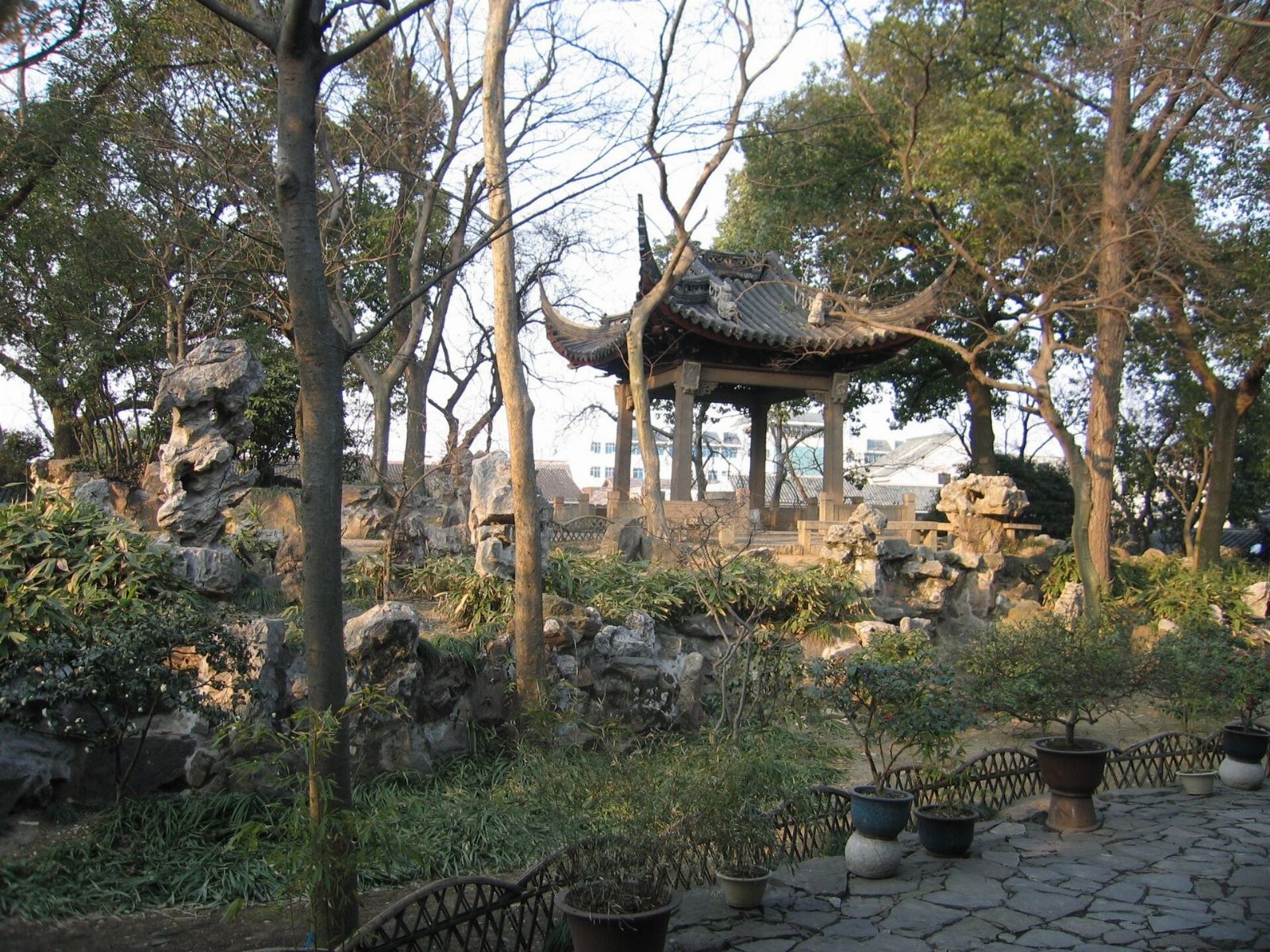
Canglang Pavilion, in the southern part of the old city, is the oldest surviving garden site in Suzhou. Its layout centres on a hill rather than a pond, with an outer canal and a double corridor lined with framed windows. The name comes from an old song about a fisherman and the clear Canglang River.
Shiquan Street for the Evening
Shiquan Street is a restaurant street on the southern side of the old city, making it a natural place to end the walk with dinner. Old houses back onto a canal just off the street, while local cooking tends to be sweeter than Shanghai’s and follows the seasons.