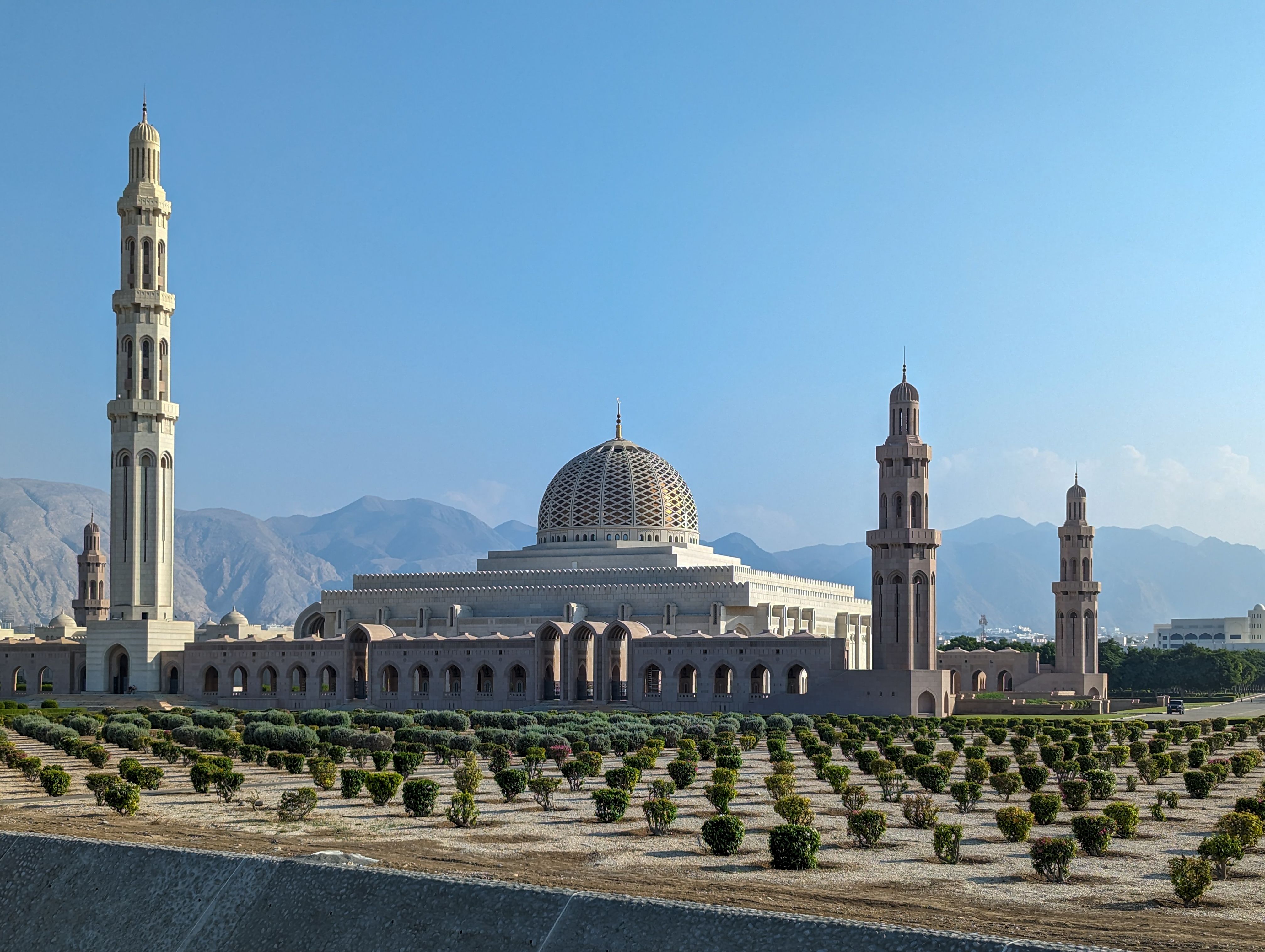
Muscat spans over 50 kilometres of coastline without a single, walkable downtown core. Because key landmarks, ports, and business hubs sit far apart along the main Sultan Qaboos Highway (Route 1), your hotel location directly dictates daily transit times and transport expenses. Selecting a base aligned with your itinerary prevents hours spent commuting between distant districts.
Evaluating your options comes down to location, highway connectivity, budget, and travel purpose. If you are researching which are the best hotels in Muscat, evaluating these six practical factors will help you choose the ideal district and property type for your stay.
1. District Layout and Daily Sightseeing Radius
Muscat is divided into linear coastal and inland zones separated by mountain ridges and highways.
- Key Highlights:
-
- Mutrah & Ruwi: Offers direct proximity to Mutrah Souq, Mutrah Fort, the National Museum, and central commercial hubs.
- Shatti Al Qurum & Al Khuwair: Central districts with public beach access, international dining, diplomatic quarter access, and mid-scale hotels.
- Al Mouj & Seeb: Western coastal hubs positioned near Muscat International Airport (MCT), Al Mouj Marina, and modern waterfront dining.
Why it stands out & ideal traveller type: Matching your stay to your primary destinations cuts daily transit times significantly. Mutrah and Ruwi suit culture-focused travellers, short-stay tourists, and business visitors wanting fast access to heritage sights and financial centres, while Al Mouj and Shatti Al Qurum cater to resort-focused vacationers.
2. Highway Proximity and Parking Infrastructure
Muscat relies heavily on vehicular transport, making highway access an essential operational priority.
- Key Highlights:
-
- Direct access to Sultan Qaboos Street (Route 1) ensures under-30-minute drives to Muscat International Airport (MCT).
- Free, on-site parking avoids delays when utilising a rental vehicle for self-drive trips to Nizwa or the Western Hajar Mountains.
- Central urban positioning reduces ride-hailing fares on apps like OTaxi compared to remote coastal enclaves.
Why it stands out & ideal traveller type: Staying near primary highway arteries lets you navigate Muscat without getting caught in localised city traffic bottlenecks. This setup benefits self-drive tourists, regional road-trippers, and business travellers moving frequently between government ministries and commercial districts.
3. Business Infrastructure vs. Resort Amenities
Properties across Muscat divide into specialised corporate stays and oceanfront resort complexes.
- Key Highlights:
-
- Corporate-focused hotels provide high-speed internet, dedicated workspaces, meeting rooms, and fast access to central business hubs.
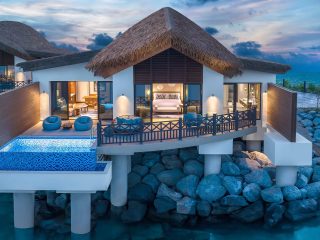
- Coastal resorts focus on private beach access, extensive pool grounds, and comprehensive spa services.
- Central city properties offer gym facilities and outdoor pools without imposing resort-level price premiums.
Why it stands out & ideal traveller type: Hotels in central business zones like Ruwi deliver full-scale corporate services along with extensive recreation, such as outdoor swimming pools, fitness centres, and health clubs. Long-standing properties like Al Falaj Hotel sit right in this sweet spot, offering robust event spaces and fast connectivity to both the Ruwi commercial district and Mutrah’s historic waterfront. This balance works exceptionally well for business travellers, remote workers, and budget-conscious visitors seeking complete hotel facilities without paying high beachfront rates.
4. Proximity to Heritage Sites vs. Oceanfront Access
Your chosen district dictates whether your stay centres around Omani history or coastal recreation.
- Key Highlights:
-
- Eastern districts place you within a 10-minute drive of Al Alam Palace, Jalali and Mirani forts, and traditional souqs.
- Western beachfront areas position you along the Gulf of Oman for watersports, boat excursions, and beach dining.
- Central urban districts provide an equal 15-minute drive to both historical sites and public beaches like Qurum Beach.
Why it stands out & ideal traveller type: Selecting a central city property gives you convenient access to both cultural landmarks and coastal stretches, eliminating the need to isolate yourself on one end of the city. This layout suits first-time visitors, active sightseers, and short-term travellers attempting to cover Muscat’s diverse attractions efficiently.
5. On-Site Dining and Access to Local Food Districts
Dining logistics vary between self-contained resort dining and easy access to local culinary options.
- Key Highlights:
-
- City-centre properties house multi-cuisine restaurants specialising in authentic Omani, Indian, and international dishes.
- Commercial districts offer walkability to affordable Omani coffee shops, local seafood eateries, and South Asian restaurants.
- Beachfront resorts primarily route dining toward higher-priced in-house fine dining options.
Why it stands out & ideal traveller type: City properties balance in-house restaurant choices with direct access to local commercial food markets. This structure benefits independent travellers, families, and long-stay guests looking for varied dining experiences across different price points.
6. Space-to-Price Ratio and Practical Value
Room dimensions and nightly rates vary substantially based on proximity to the shoreline.
- Key Highlights:
-
- Shoreline hotels charge premium nightly rates largely for direct beach access.
- Central city properties provide larger room layouts and suites at competitive rates.
- Urban hotels routinely include daily breakfast, free parking, and flexible check-out options within standard booking rates.
Why it stands out & ideal traveller type: City centre hotels deliver optimal space-to-price value by trading private beach access for larger rooms, lower overall accommodation costs, and central positioning. This configuration is ideal for extended-stay guests, families requiring extra living space, and practical travellers prioritising sightseeing over luxury resort fees.
Conclusion
Selecting where to stay in Muscat ultimately comes down to matching your budget and daily itinerary with the right district. Luxury travellers and beachgoers will find resort-style amenities along the shoreline of Al Mouj or Shatti Al Qurum, while culture enthusiasts will prefer the historic charm near Old Mutrah. For corporate guests, practical sightseers, and budget-conscious travellers, central city districts like Ruwi offer the most balanced experience, delivering spacious rooms, full hotel amenities, and fast highway connectivity to every major landmark across the capital.