Long before tropical tourism reshaped Koh Samui in Thailand, Hainanese merchants settled along its palm-fringed shores. Their rich cultural legacy still shapes local architecture, traditional fishing villages, and vibrant community life across the island today.
Historic Shophouses of Bophut
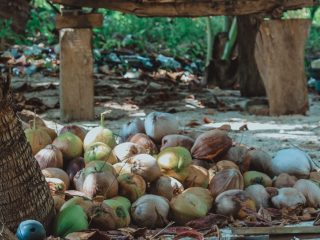
Fisherman’s Village in Bophut remains the clearest showcase of early settlement history. Dark teakwood shophouses frame narrow lanes, originally serving as trading posts for coconuts and sea cucumber. Exploring these preserved streets ranks high among cultural Koh Samui activities, offering visitors a rare glimpse into early island life.
Sacred Shrines Linked to a Rich Heritage
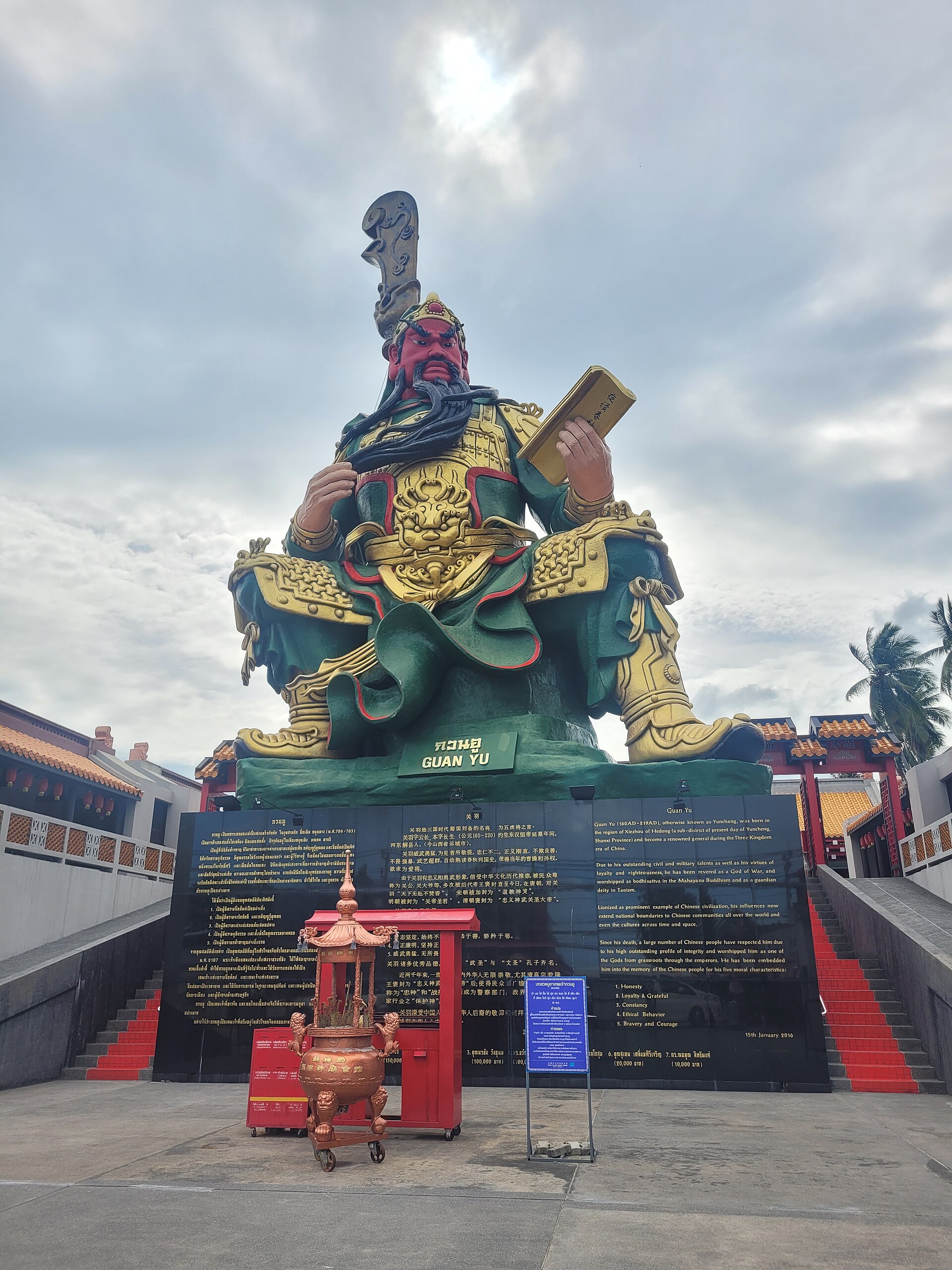
Dotted across the coastline are colourful shrines honouring Hainanese deities and sailors. The Guan Yu Shrine, with its striking bronze statue, stands out as a powerful symbol of loyalty and community pride. Travellers staying within easy reach of such sites, at properties like Avani+ Vacation Club Samui, often come across these quiet heritage spots while venturing through the island’s quieter southern enclaves.
Culinary Traditions Passed Down
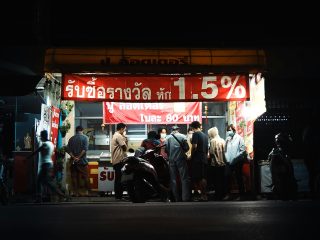
The fusion of Thai ingredients and southern Chinese cooking techniques defines local home-style food. Signature dishes including coconut-based soups, Hainanese chicken rice, and claypot seafood rely heavily on generations-old recipes, keeping ancestral culinary traditions alive in modern night markets.
Preserving Cultural Identity
Despite rapid development, local families maintain annual festivals such as the Mid-Autumn Celebration and Chinese New Year. Dragon dances, lantern displays, and ancestral rituals ensure this unique heritage continues to flourish alongside modern island hospitality.