Wildlife in Sri Lanka isn’t just about spotting elephants from a safari vehicle. Head into the rainforest and the experience changes completely. You’re listening for birds above the trees and watching for movement between wet leaves. The island also has an unusually high number of plants and animals found nowhere else. For anyone who enjoys nature in its less polished form, there’s plenty to get excited about. Expect mud, sudden rain and the occasional leech. It’s all part of it.
Wildlife Goes Beyond the Big Animals
Sri Lanka is known for elephants and leopards, but that’s only one side of its wildlife. The island is also home to rare birds and plenty of creatures that are much easier to miss.
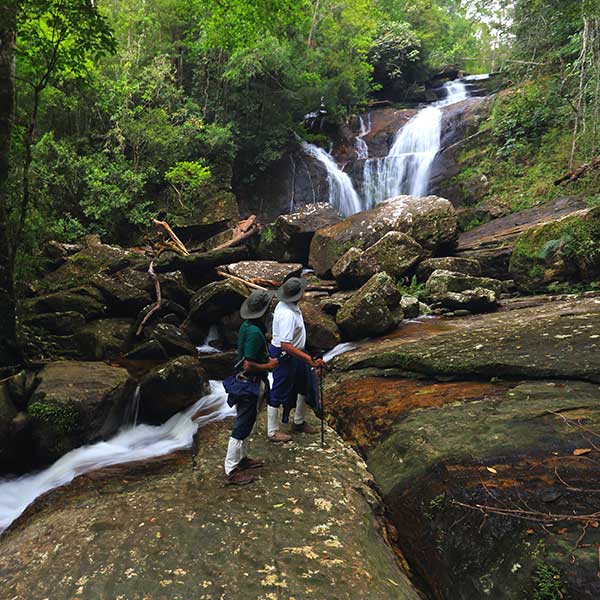
Sinharaja Forest Reserve is a good example. It’s Sri Lanka’s last viable area of primary tropical rainforest. More than 60% of its trees are endemic. The forest is also home to over half of the country’s endemic mammals and butterflies.
You could spend an entire walk looking at birds and insects without seeing a single large animal, which isn’t disappointing in the least. It’s simply how nature works.
Eco-Friendly Accommodation
Which eco resorts in Sri Lanka are best for wildlife enthusiasts? There are plenty to choose from, but look beyond the word ‘eco’. Check where the resort is located and whether it gives guests access to nature without placing unnecessary pressure on the environment.
The Rainforest Ecolodge is on the 500-acre Enselwatte Tea Estate, beside Sinharaja Forest. It was classified as Sri Lanka’s first ecolodge by the Sri Lanka Tourism Development Authority and holds LEED Platinum certification.
The chalets use repurposed shipping containers, with reclaimed railway sleepers featured in the decks. You still get a private bathroom and a place to make tea or coffee. Staying somewhere eco-conscious doesn’t mean giving up every creature comfort.
Guided rainforest treks and birdwatching are available. You can also join shorter nature trails or head out on a waterfall trek.
Birdwatching Gets Addictive
You don’t need to arrive with expensive binoculars and a notebook full of bird names. A guided walk is enough to get started.
Sinharaja is especially important for endemic birdlife. Species recorded in the reserve include the Sri Lanka blue magpie and the green-billed coucal. There’s also the red-faced malkoha, which can take a bit more patience to find.
Mixed feeding flocks are another highlight. Several bird species move through the forest together, and the quiet canopy can suddenly become rather busy.
Early mornings are usually a good time to head out. Yes, getting up before sunrise may sting a little. It tends to feel like less of a bad idea once the forest wakes up.
Guided Walks Reveal What You’d Otherwise Miss
Rainforest wildlife isn’t always easy to spot. A bird can be calling right above you and still remain completely hidden. Tiny creatures just blend into leaves.
Local guides know what sounds to listen for and where to look. They can also tell you about plants you might otherwise walk straight past.
There’s a safety side to it as well. Trails may be wet and uneven, so follow your guide and stay on the marked path. Wandering off because something moved in the bushes isn’t very clever.
Rain Brings the Forest to Life
It’s called a rainforest for a reason. Even if the morning begins bright, rain may turn up later.
A few things will make the walks easier:
- Shoes with good grip
- A light raincoat
- Leech socks or long socks
- A waterproof cover for your phone or camera
- Binoculars, if you have them
The rain can be one of the best parts. The forest gets louder and mist settles over the greenery. Everything smells freshly washed too. Stay under cover for a while. It will pass when it’s ready.
Conservation Is Part of the Experience
Getting close enough for a photo shouldn’t come at the expense of the animal. Keep your distance and don’t feed anything, even if it looks interested in your snacks.
Stay on the path as well. Removing a plant or disturbing an animal’s hiding place may not seem like a big deal at the time, but it all adds up.
Once you’ve walked through Sinharaja, the idea that a wildlife holiday has to mean a safari feels a bit limited. You’ll get muddy, and you may have no clue what half the birds in your photos are. It doesn’t really matter. You were there to see it for yourself.