
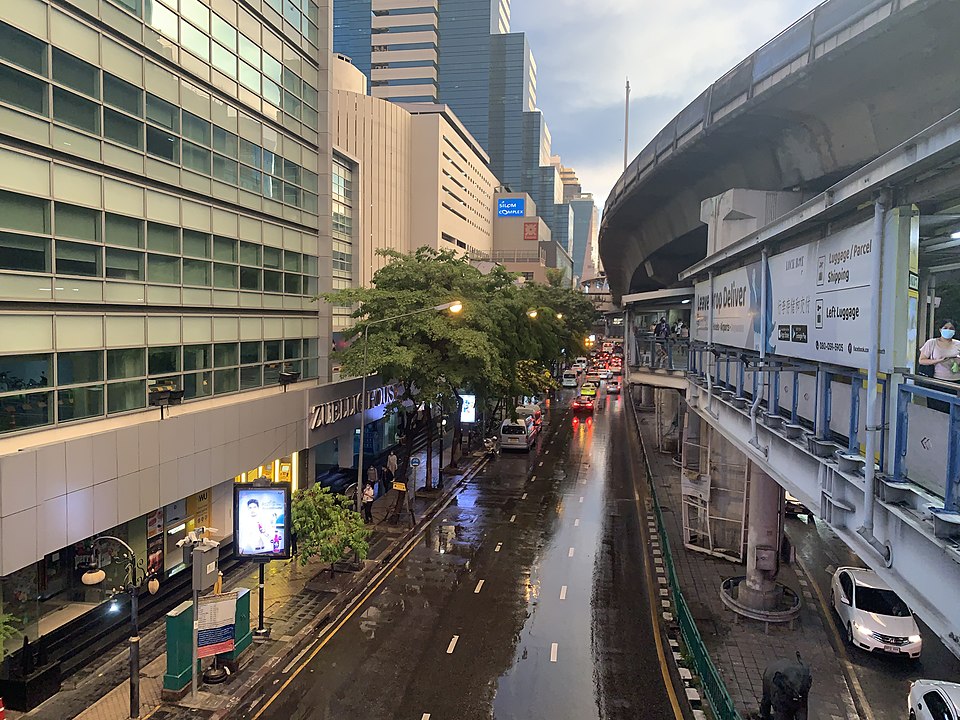
Bangkok is often best understood through its neighbourhoods rather than individual landmarks. Each area moves at its own pace, shaped by routine, tradition, and changing social habits, offering a clearer sense of how food, culture, and nightlife overlap across the city.
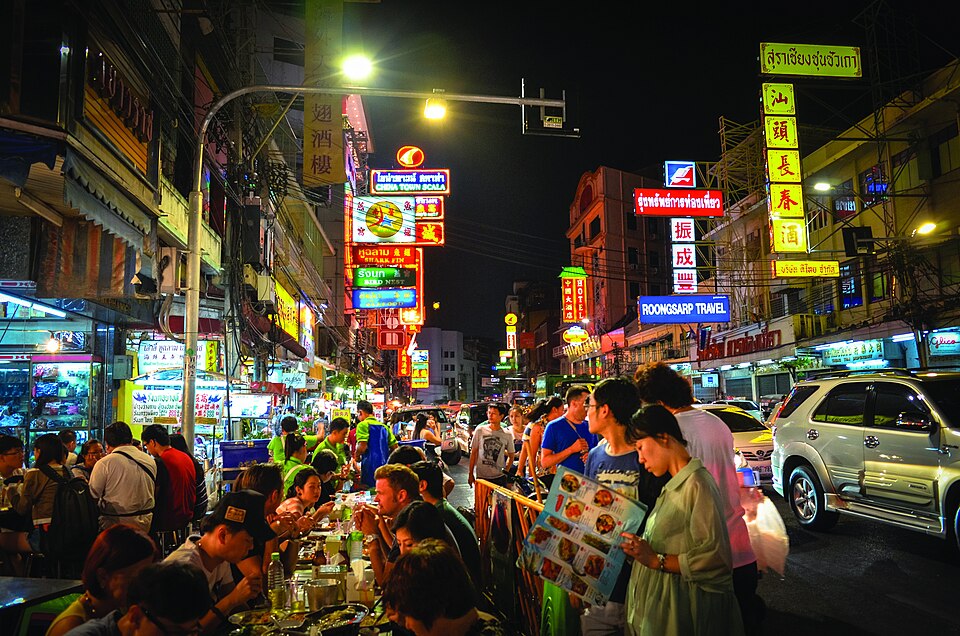
1. Chinatown (Yaowarat)
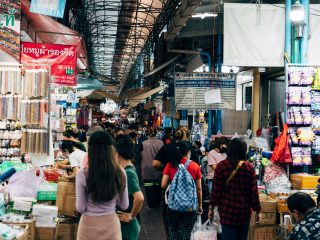
Yaowarat rarely feels quiet. During the day, gold shops, herbal stores, and long-running family businesses dominate the street. As evening arrives, food carts appear quickly, smoke rises from grills, and crowds move slowly through narrow lanes. Many people wander without a plan, stopping when something smells or looks worth trying. The area remains busy, but without a fixed or organised pattern.
2. Sukhumvit
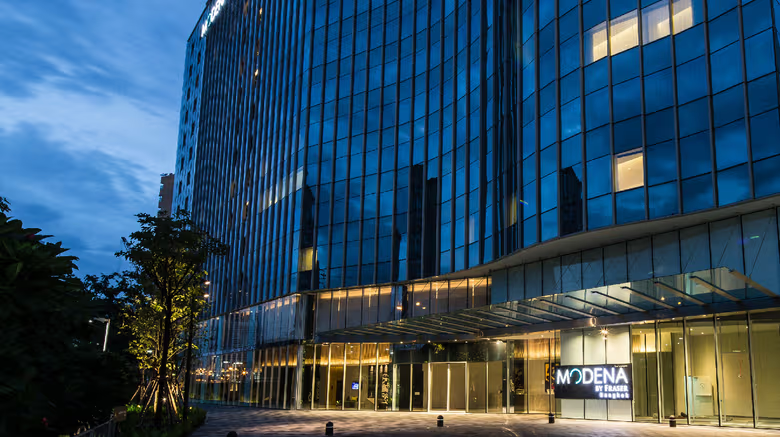
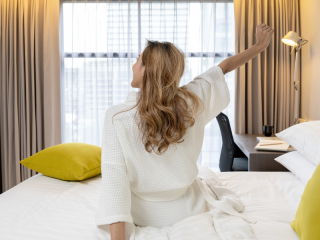
Sukhumvit is less a single neighbourhood and more a chain of connected streets, each with a slightly different feel. International restaurants sit close to local eateries, while bars operate beside residential buildings. During the day, everyday routines carry on much as usual, and in the evening the mood shifts without much effort. The area is also home to some of the top hotels in Bangkok, which explains why many travellers use it as a convenient base for moving around the city.
3. Thonglor
Thonglor is often chosen for quieter evenings. Many people come here to eat first and decide what to do next later. Japanese restaurants, small bars, and music spots are spread along side streets, and it is common to see groups staying in one place rather than moving around all night. The atmosphere encourages conversation more than spectacle.
4. Ekkamai
Ekkamai has a noticeably more residential feel. Cafés, casual bars, and neighbourhood restaurants sit alongside apartment buildings and everyday services. Visitors often come here to experience a residential side of Bangkok, where daily routines continue largely uninterrupted. Time spent in the area tends to focus less on specific venues and more on observing how the neighbourhood is used from day to day.
5. Old Town (Rattanakosin)
Old Town reflects the foundations of Bangkok as a city. Temples, museums, and older communities are closely connected, and the streets feel calmer than in commercial districts. Walking through the area highlights traditional architecture and long-established neighbourhood life, with fewer distractions and a slower pace that suits unplanned exploration.
6. Silom
Silom changes character depending on the time of day. Office workers dominate the streets during business hours, while evenings bring food stalls and nightlife. This daily shift makes the area feel different from hour to hour, showing how work and leisure exist side by side within the same neighbourhood.
7. Ari
Ari has developed a reputation for independent cafés and small restaurants. The streets are easy to walk, and most places feel familiar rather than polished. People come here to eat, talk, and spend time, not to chase large venues or loud crowds. The pace is steady and local.
8. Khao San Area
The Khao San area is known for its energetic nightlife and informal atmosphere. Music, street food, and social spaces define the main streets after dark. At the same time, nearby roads offer quieter alternatives, allowing visitors to step away from the busiest sections when needed.
9. Sathorn
Sathorn combines office buildings with residential streets and everyday services. Restaurants and quieter side roads sit close to business areas, creating a mixed pace throughout the day. Staying nearby, including places such as Maitria Hotels & Residences, keeps travellers well connected without placing them in the busiest parts of the city.
10. Riverside (Charoenkrung)
Charoenkrung sits along one of Bangkok’s oldest commercial routes. Older shopfronts and warehouses still line parts of the river, now mixed with galleries, small markets, and places to eat. The area feels lived in rather than preserved, showing how daily activity continues alongside gradual change.



.jpg)
