

Singapore is often described as fast and efficient, but that description does not capture everyday life across the city. For first-time travellers, visiting a few carefully chosen areas makes it easier to see how history, routine, and modern development exist side by side.
1. Marina Bay Waterfront
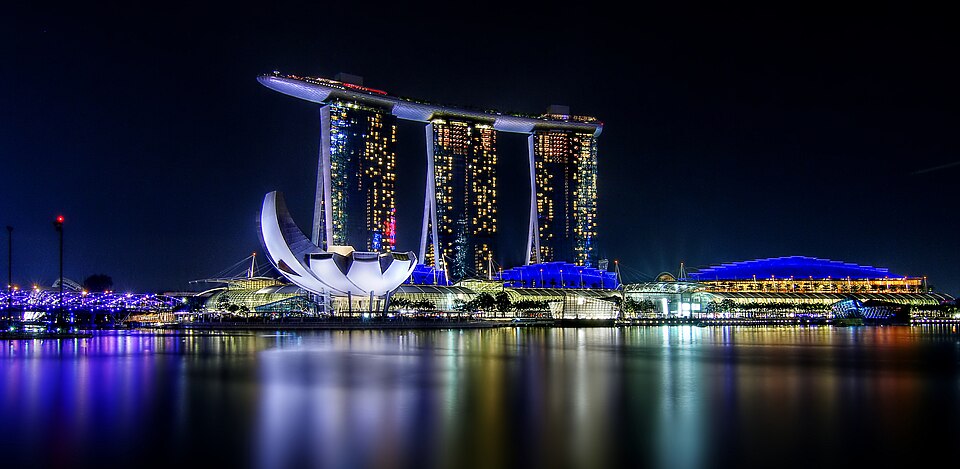
Marina Bay gives many visitors their first sense of Singapore’s scale and layout. Wide walking paths, open spaces, and uninterrupted skyline views make the area easy to explore without a plan. People often walk slowly here, stopping when something draws their attention rather than following a set route. The space feels designed for both movement and pause.
Beyond the views, Marina Bay reflects how urban design is handled in the city centre. Public art, water features, and pedestrian access are part of the landscape rather than additions. Seating areas, bridges, and long promenades encourage people to stay outside longer instead of passing through quickly.
2. Singapore Botanic Gardens
The Botanic Gardens feels noticeably calmer than its surroundings, despite being close to busy roads. Shaded paths, lakes, and open lawns create space for unstructured wandering. Some visitors pass through briefly, while others remain for most of the day without a fixed plan.
As a UNESCO World Heritage Site, the gardens also represent Singapore’s long-standing focus on plant research and landscape planning. Different sections vary in tone, allowing visitors to move naturally between quieter areas and more open spaces depending on mood and time available.
3. Chinatown
Chinatown reflects an older layer of Singapore that is still very much in use. Shophouses sit beside newer shops, and temples are part of the street rather than set apart from it. Walking through the area, it becomes clear that many buildings are still lived in and adapted for daily needs, not preserved as displays.
Markets, food stalls, and residential spaces contribute to the sense that this is a working neighbourhood, not just a visitor stop. Its compact layout makes it easy to explore without covering long distances, allowing time to observe ordinary routines.
4. Little India
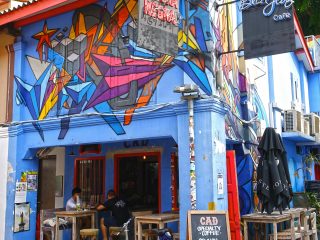
Little India is immediately recognisable by its colours, sounds, and street activity. Spice shops, textile stores, and places of worship line both main roads and smaller side streets. The pace feels different from other parts of the city, offering a strong contrast in atmosphere.
For travellers whose first impressions come from staying at a luxury hotel in Singapore, this area provides a closer look at community life and long-established cultural practices that continue alongside modern development.
5. Clarke Quay and the Singapore River
Away from the busiest nightlife areas, the river feels quiet during the day. Shaded paths, benches, and steady water movement make it suitable for slow walks or short breaks. Nearby residential streets and older buildings add to the feeling of everyday life continuing nearby.
Staying close to this part of the city, such as at The Robertson House by The Crest Collection, allows travellers to remain central while avoiding the constant activity found in more crowded areas.
6. Orchard Road
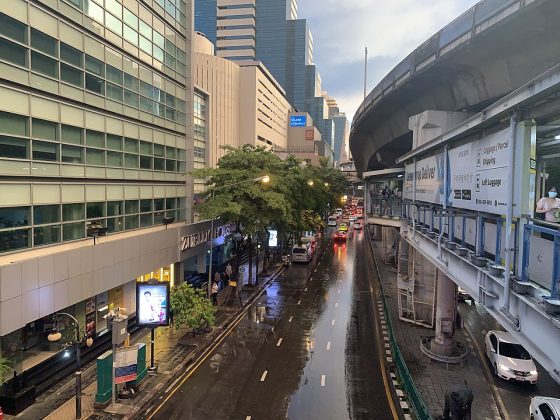
Orchard Road shows a more modern side of the city, with wide streets, shaded walkways, and large commercial buildings. People use the area in different ways throughout the day, not just for shopping. Office workers, residents, and visitors pass through at a steady pace, making it a useful place to observe how daily movement fits into a dense urban setting.
Watching office workers, locals, and tourists move through the area gives a clearer sense of how commercial districts function in everyday city life.



.jpg)