Chennai’s festival calendar is a wonderful reflection of the city’s faiths, languages, music, and community spirit. These five celebrations are the heartbeat of the local year, reminding everyone of how traditions continue to colour our daily lives.
1. Pongal
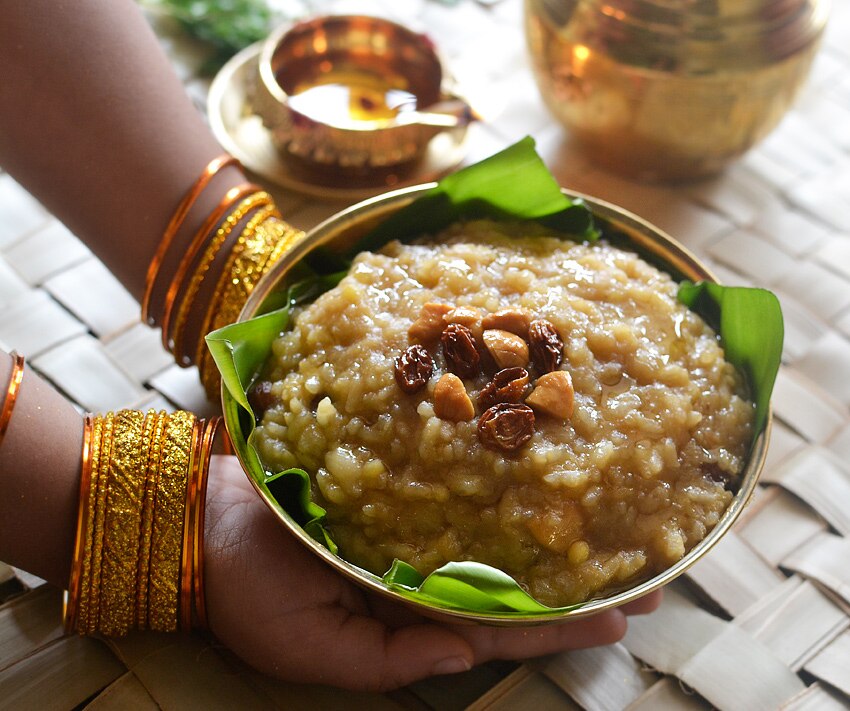
Pongal is a significant harvest festival in Tamil Nadu, celebrated in mid-January. It marks the end of the winter solstice and the beginning of longer days, expressing gratitude to nature for the bountiful harvest. In Chennai, Pongal goes beyond just rural customs; urban areas also join in with community events, cultural activities, and beautiful kolam designs adorning homes. This period is also significant for domestic travel, with many residents returning to their hometowns.
Celebrated over four days, Pongal assigns a special significance to each: Surya Pongal honours the sun, Mattu Pongal celebrates cattle. In Chennai, you’ll find sugarcane stalls, rangoli competitions, and music and dance in public and cultural spaces.
2. Chennai Music Season
The Chennai Music Season, also known as the Margazhi Festival, held from mid-December to mid-January, is one of the largest cultural events in the country. It focuses on Carnatic music and Bharatanatyam dance, and you can find it happening in lots of places, like sabhas (cultural halls), auditoriums, and even public spaces.
What sets this festival apart is its size and how it is organised. Unlike those that are only around for a few days, it lasts for weeks, offering daily shows, lectures, and workshops. You can see both well-known and up-and-coming artists from all over India, performing in concert halls and community spaces.
If you are interested in classical arts, this is one of the best ways to experience Chennai’s identity as a cultural capital. Many people staying across the city, including in properties near Old Mahabalipuram Road (OMR), such as Turyaa Chennai, can plan their outings around these performances. Staying near business corridors like OMR gives easy access to the central districts where many of these events take place. All the best hotels in OMR Chennai also help guests plan their itineraries by providing them with the most relevant information about shows and other performances.
3. Tamil New Year
Tamil New Year, or Puthandu, celebrated in mid-April, signals the beginning of the Tamil calendar year. It is celebrated with family gatherings, special meals, and visits to the kovils. On New Year’s, people start their day early, preparing traditional dishes like mango pachadi.
Public spaces, shopping streets, and kovils are usually packed during this time. Koyambedu, Mylapore, and Thyagaraya Nagar (T. Nagar) are particularly active with events. Many schools and local organisations also host exhibitions and performances celebrating Tamil heritage and language.
Puthandu is less about spectacle and more about culture and tradition. For visitors, this is an amazing opportunity to experience how traditions are woven into daily life without being commercialised.
4. Madras Day
Madras Day, celebrated on 22 August, marks the founding of the city (formerly known as Madras) in 1639. Over the years, Madras Day has grown into a celebration of Chennai’s history, architecture, language, and ever-changing identity.
The festival includes heritage walks, exhibitions, lectures, field trips, and poetry reading sessions across different parts of the city, especially in older neighbourhoods such as George Town and Royapuram. Madras Day often highlights colonial-era buildings, traditional markets, and lesser-known historical facts and narratives.
If you are particularly interested in urban history and learning about the lasting imprint of British colonialism on South Asia, Madras Day can be an eye-opening experience. It provides context as to how a trading post evolved into a major metropolitan city, and the interaction of regional tradition and the city’s colonial past.
5. Navaratri and Golu
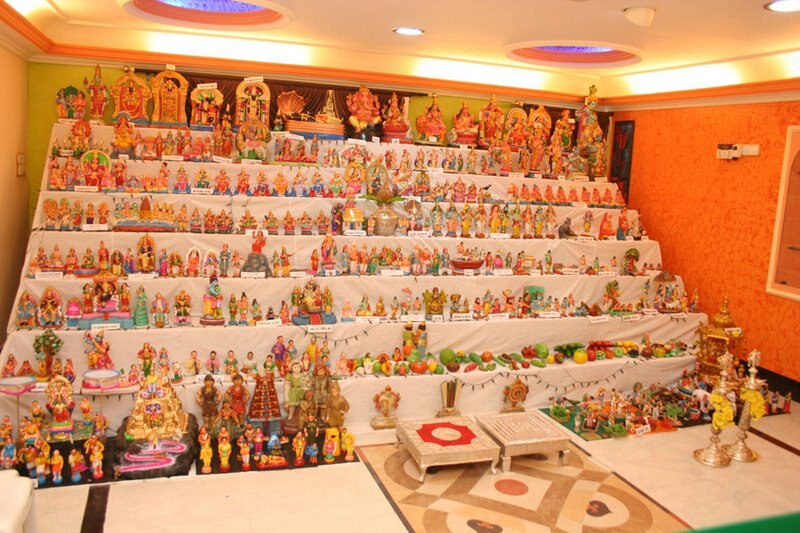
Navaratri is a nine-day festival dedicated to the worship of the goddess Durga, or Mahadevi, in her various forms. In Chennai, one of the most unique aspects of Navaratri is the Golu tradition, where families set up stepped displays of dolls that represent mythological scenes, daily life, and folk stories.
Homes all over the city welcome friends, neighbours, and even visitors, who are invited to see the displays and share prasad (offerings). In kovils, special rituals and processions take place, making this a period of both spiritual and social significance.