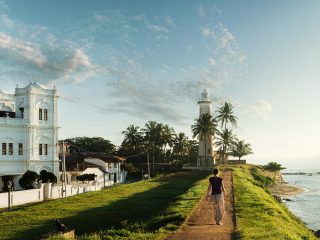
Kalutara sits along Sri Lanka’s south-west coast, roughly an hour from Colombo, where the Kalu Ganga meets the Indian Ocean. Kalutara has a quieter pace compared to southern beach towns like Galle or Mirissa.
1. Beaches of Kalutara
Kalutara’s main beach stretches for long, open sections with very little development directly on the shoreline. This makes for amazing strolls in the mornings and late afternoons, perfect for travellers who favour quieter coastal life rather than busy resort towns further south. One of the more popular beaches in Kalutara is Calido Beach. Calido Beach is a small stretch of coast dividing the Kalu Ganga (river) estuary from the Indian Ocean. This area is a stunning backdrop because of the golden sandy beach, and has some fantastic restaurants serving delicious local cuisine.
The beaches are the most ideal for swimming because of the strong currents, but the coast is good for scaling rock formations, watching fishermen, and walking along sections where the Kalu Ganga meets the sea. At certain times of the day, you can see local fishermen using traditional nets or small boats along the shallows.
If you are staying in a hotel near the coast, such as Turyaa Kalutara, it is easy to take a walk at whenever you want and see how the beach changes with the tides and light. Catching sunsets along the coast is one of the best things to do in Kalutara, making for some of the best views on the whole island.
2. Visit Kalutara Bodhiya
Kalutara Bodhiya is one of the oldest and most sacred planted trees in the whole of Sri Lanka. The sacred bo tree (sacred fig), venerated by those of the Buddhist faith, has roots that can be traced back to the 2nd century BC. Even after the subsequent colonisation of the island by the Portuguese, Dutch, and English, which began in the 16th century until the middle of the 20th century, the Kalutara Bodhiya still exists and is revered by locals.
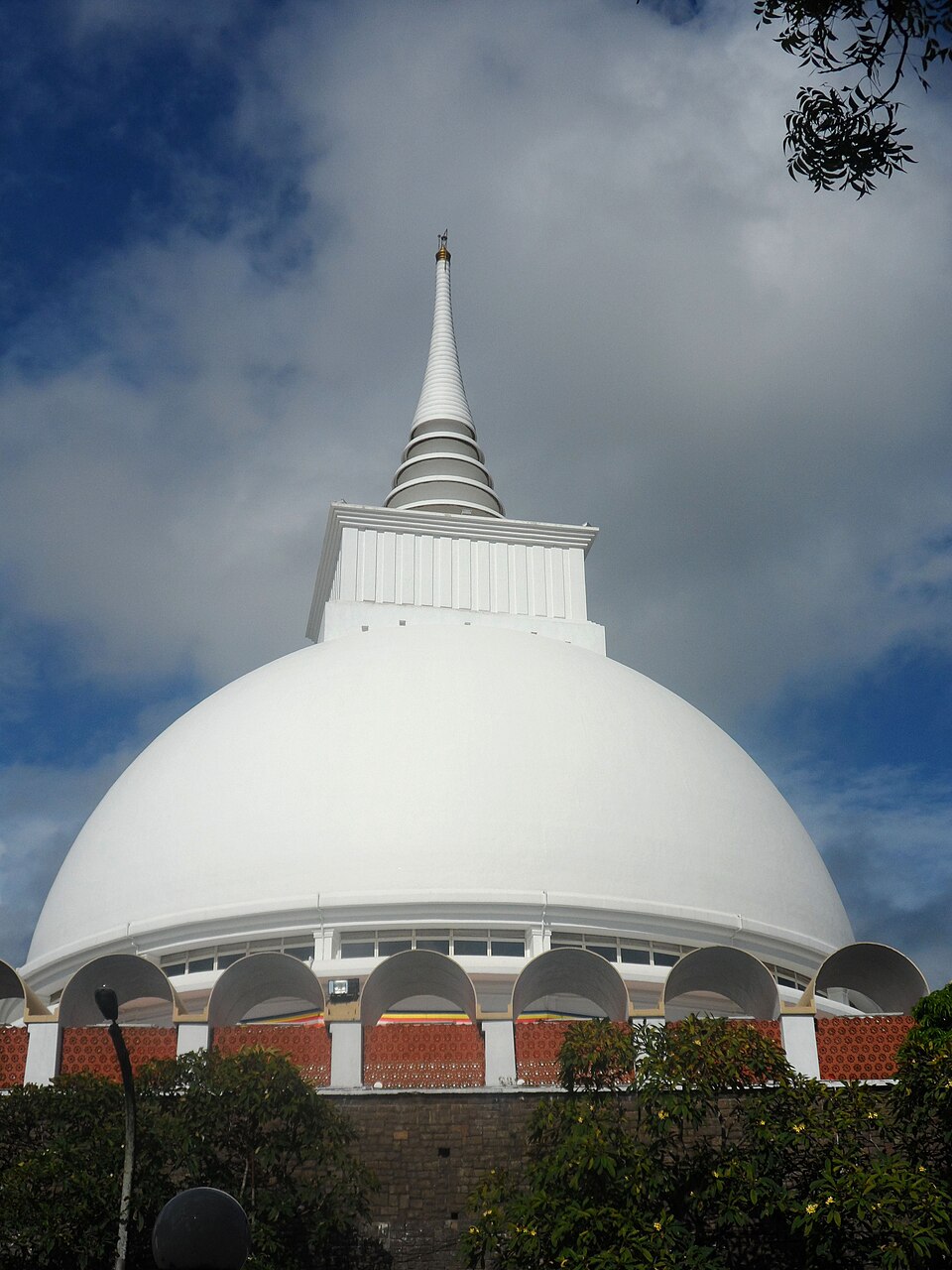
Located on the same premises is the Kalutara Viharaya, a Buddhist stupa or temple located beside the Kalutara Bodhiya. Regarded as one of the largest stupas in the world, the structure is another sacred place for many devotees of the Buddhist faith.
This hollow stupa is unique as you can enter the structure and explore the interior, unlike many stupas in the country, which are sealed. The interior is filled with Buddha sculptures, statues, and murals depicting Lord Buddha.
The stupa is a must-see if you decide to visit the Kalutara Bodhiya because of its close proximity. The vihara (temple) complex is a testament to the storied Buddhist culture and tradition that exists in the southwestern parts of the island. It is also a great place to experience some amazing sights, including the Kalu Ganga (Kalu River), the Kalutara Bridge, and the Indian Ocean.
4. Beruwala Fish Market
The Beruwala Fish Market offers a unique glimpse into Sri Lanka’s southern coastal villages’ primary trade. It is one of the main fishery harbours on the western coast of the island. If you visit between 5:30 a.m. and 8:30 a.m., you can watch as fishermen haul in their night’s catch for retail vendors who then auction their products.
5. Kande Viharaya
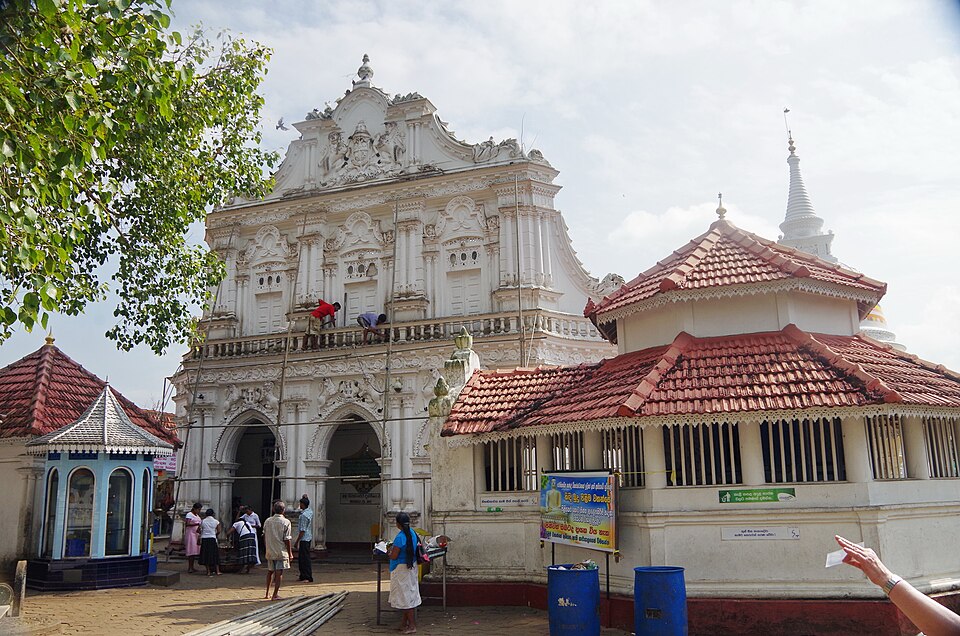
Kande Viharaya, or Mountain Temple, is a Buddhist temple in Aluthgama, located 15km south of Kalutara. Easily accessible by a 30-minute car ride, this temple consists of a Bodhi tree, stupa, and a relic chamber. Formally recognised as an Archaeological Site of Sri Lanka, this temple was constructed in 1734 and is one of the largest Buddhist temples in the Western Province of Sri Lanka. While the structure, history, and religious significance of this temple are enough to warrant a visit, the 48-metre tall Samadhi Buddha statue, one of the tallest seated Buddha statues in the world, is truly a sight to behold.