Discover how your first visit to Colombo can be made memorable through its vibrant food scene, five iconic dishes that highlight local flavour, culture, and atmosphere. Whether you’re staying at a popular hotel or exploring the city’s best attractions, these meals promise an authentic taste of Sri Lanka.
1. Rice and Curry: The Essential Introduction
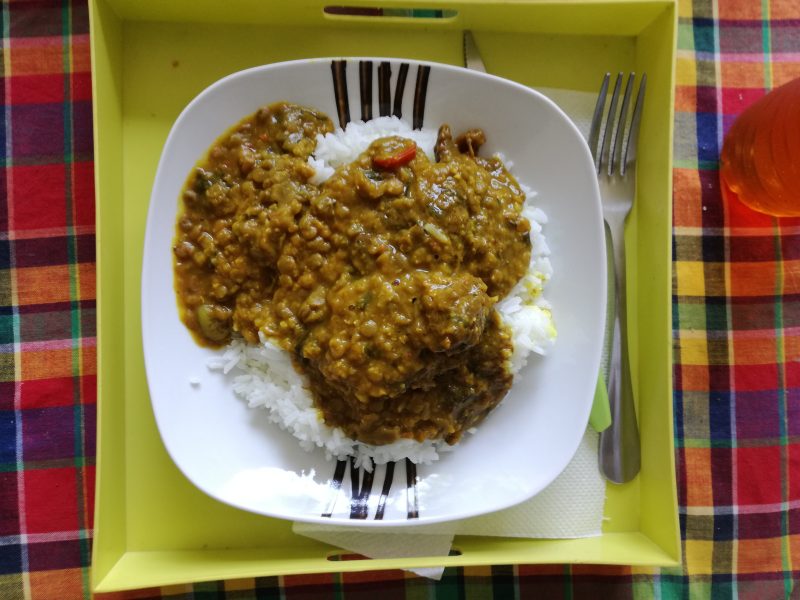
If there is one dish that truly represents Sri Lankan cuisine, it is rice and curry. This everyday staple appears on nearly every menu in Colombo, from humble eateries to luxury hotels. The meal features a generous portion of steamed rice surrounded by an array of curries: vegetable, chicken, fish, or beef, along with lentils, sambols, and chutneys.
For first-time visitors, this dish is a must-try, as it encapsulates the local philosophy of balancing spice, texture, and colour. The coconut-milk-based gravies, the sweetness of caramelised onions, and the zing of lime pickles together form a wholesome experience. At hotels such as NH Collection Colombo, guests often find a refined version of rice and curry, with mild spice levels suitable for international palates.
In contrast, local cafés and canteens along Galle Road or Pettah Market serve a more rustic version: bursting with flavour and heat. A typical lunch plate might include dhal curry, tempered potatoes, spiced jackfruit, and a small serving of fish curry. The diversity of options ensures that no two plates of rice and curry are ever the same.
2. Hoppers (and Egg Hoppers): Crisp, Light, and Iconically Local
Few dishes capture the charm of Sri Lankan street food as well as hoppers, locally known as “appa.” These delicate, bowl-shaped pancakes are made from a fermented batter of rice flour and coconut milk. Light and crisp at the edges with a soft, spongy centre, they’re perfect for breakfast or dinner.
The basic hopper is served with coconut sambol and a spicy onion relish, while the egg hopper features an egg cooked into the base of the pancake. For a richer taste, diners often add “kiri hodi,” a mild coconut gravy that softens the spice and adds depth.
If you are exploring Colombo things to do, visiting a hopper restaurant or street vendor should top your list. Many cafés in Colombo 3 and 7 serve hoppers made to order, with chefs skilfully swirling the batter in hot, curved pans. The aroma of fermenting batter and sizzling coconut oil is a quintessential part of the Colombo morning. Watching the process is almost as enjoyable as tasting the final dish.
3. Kottu Roti: Street Food with a Rhythm
No culinary journey through Colombo would be complete without experiencing the city’s most energetic dish: kottu roti. This beloved street-food staple is made by stir-frying chopped flatbread with eggs, vegetables, and meat or seafood on a large griddle. The loud, rhythmic clanging of metal blades chopping and mixing the ingredients is a familiar soundtrack to Colombo’s evenings.
The beauty of kottu lies in its versatility. It can be spicy or mild, vegetarian or meaty, and always fresh. Popular versions include chicken kottu, cheese kottu, and the more indulgent seafood kottu. It is often served with spicy gravy on the side, which you can mix in to taste.
For a first-time visitor, it’s worth trying kottu at a well-known local café or a roadside stall where locals queue after work. The atmosphere adds a layer of authenticity to the meal, bustling, aromatic, and lively. Pair it with a chilled ginger beer for the full experience.
4. Lamprais: A Colonial-Era Classic
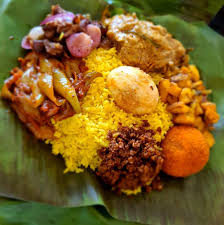
Lamprais is a dish that tells a story. Introduced by the Dutch Burgher community, it blends European and Sri Lankan influences in one flavourful parcel. The dish consists of rice cooked in stock, accompanied by a rich meat curry (often beef or chicken), ash plantain, fried brinjal, and a frikkadel (a Dutch-style meatball), all wrapped in a banana leaf and baked.
When unwrapped, the fragrance of the banana leaf infuses the rice, lending a subtle, earthy aroma. It’s often enjoyed as a Sunday lunch or a special occasion meal. While lamprais can be found in select Colombo restaurants, many families still prepare it at home using traditional recipes passed down through generations.
It’s a heavier dish, ideal for when you want to sit back and savour rather than rush. For those staying in central Colombo, many bakeries and boutique cafés offer lamprais as a takeaway option—perfect for a relaxed afternoon after sightseeing or shopping.
5. Short Eats and Street Snacks: Flavour in Every Bite
Colombo’s food scene isn’t just about full meals; it thrives on its quick bites and “short eats.” Found in bakeries, roadside stalls, and small tea shops, these snacks represent the city’s fast-moving rhythm. Common favourites include fish buns, vegetable patties, Chinese rolls, and vadai (spiced lentil fritters).
Short eats are ideal for travellers exploring the city on foot or by tuk-tuk. You can grab a few items and enjoy them with a cup of milk tea at a nearby café or park bench. For a sweeter note, try kokis (a crisp, flower-shaped snack made from rice flour and coconut milk) or banana fritters.
These treats highlight Colombo’s cultural blend, South Asian spices, colonial-inspired baking, and a love for small, flavour-packed portions. It’s in these modest bites that one truly feels the warmth and creativity of local cuisine.