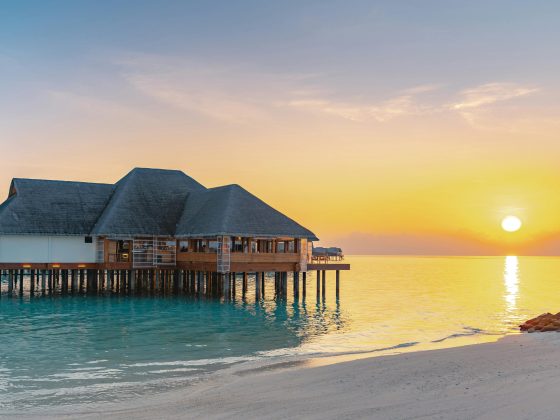

The Maldives represents the ultimate scuba diving destination, a nation of 26 coral atolls teeming with spectacular marine life in the warm, clear waters of the Indian Ocean. Its legendary visibility often exceeds 30 meters, revealing a breathtaking underwater world of vibrant coral gardens, dramatic drop-offs, and majestic pelagic creatures from manta rays to whale sharks. However, diving in this unique archipelago comes with its own set of considerations that require careful preparation. Understanding the specific conditions, marine environments, and safety protocols is crucial to ensuring your underwater adventures are not only spectacular but also safe, sustainable, and truly unforgettable. These five essential tips will help you make the most of the magnificent Maldivian dive sites while prioritizing both safety and environmental conservation.
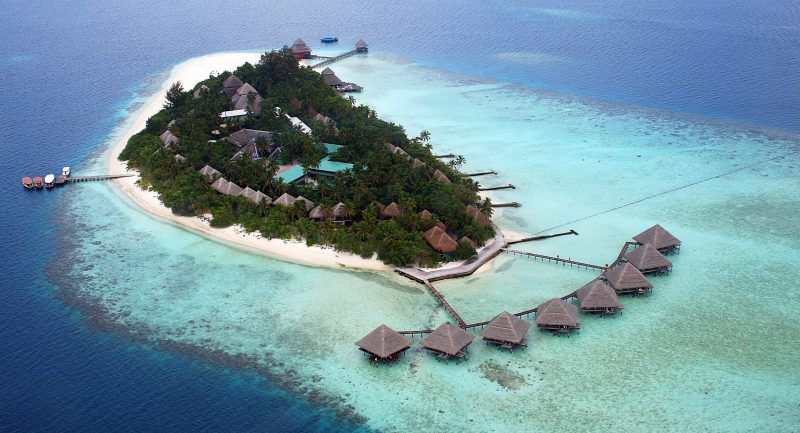
1. Choose the Right Time of Year for Your Specific Dive Goals
The Maldives experiences two distinct monsoon seasons that dramatically affect diving conditions and marine life sightings. The Northeast Monsoon (December to April) brings generally dry, sunny weather and calmer seas, offering excellent visibility that can reach 40 meters on optimal days. This period is particularly ideal for spotting manta rays and whale sharks in the eastern atolls like Ari Atoll. Conversely, the Southwest Monsoon (May to November) can bring more wind and rain, but it creates nutrient-rich upwellings that attract large pelagic species to the western atolls. Understanding these seasonal patterns helps you select the ideal time and region for the specific marine encounters you desire, ensuring you book your stay at the ideal Maldives diving resort that offers the best access to your preferred dive sites and conditions.
2. Master the Terminology: Thila, Kandu & Faru Dive Sites
The Maldivian underwater landscape features unique formations that every diver should understand before selecting their dives. A ‘Thila’ is a submerged coral pinnacle that often starts 5-15 meters below the surface and is renowned for its abundant fish life and coral coverage—perfect for photographers. A ‘Kandu’ is a channel between atolls where outgoing tides create strong currents that attract sharks, eagle rays, and large schools of pelagic fish—these dives require advanced certification and drift diving experience. A ‘Faru’ is a circular reef surrounding a lagoon, typically offering gentler conditions ideal for novice divers or night dives. Discussing your comfort level and experience honestly with dive masters will ensure you’re matched with sites suitable for your skill level.
3. Respect the Powerful Currents and Honestly Assess Your Limits
Currents in the Maldives, particularly in channel dives (Kandus), can be surprisingly strong and change direction quickly with the tides. It’s essential to conduct a realistic self-assessment of your fitness, recent diving experience, and comfort level in currents. Many reef dives are suitable for beginners, but kandu dives demand advanced buoyancy control and experience with drift diving techniques. Always listen meticulously to the dive briefing, maintain proximity to your guide, and use a surface marker buoy (SMB) as recommended. The professional dive teams at renowned resorts like Velassaru Maldives are exceptionally skilled at assessing conditions and diver capability to ensure everyone has a safe and spectacular experience tailored to their comfort level.
4. Prioritise Environmentally Responsible Diving Practices
The fragile coral reefs are the foundation of the Maldivian marine ecosystem, and every diver shares the responsibility for their protection. Perfect your buoyancy control through practice dives before exploring delicate coral areas to avoid accidental contact. Consciously avoid wearing gloves, as their presence can subconsciously encourage touching the reef. Select reef-safe sunscreen that is free of harmful chemicals like oxybenzone and octinoxate, which have been proven to damage coral DNA. Most importantly, maintain a respectful distance from all marine life, using your camera’s zoom rather than approaching too closely, and never attempt to touch, feed, or chase any creatures.
5. Organise Your Certification Documents and Consider a Refresher
Before arriving at your dive centre, ensure your scuba certification card (C-card) and logbook are current and easily accessible. Reputable dive operators will require proof of certification and typically want to review your recent diving experience, especially if you plan to participate in advanced or current-heavy dives. If it has been more than six months to a year since your last dive, strongly consider taking a refresher course. This investment rebuilds your confidence, ensures you remember essential safety protocols like mask clearing and buoyancy control, and ultimately makes your first dives more relaxed and enjoyable from the initial descent.