Dubai’s food scene is a tapestry of flavours—from centuries-old Emirati dishes to spicy street-food delights and sweet treats that define the city’s heritage. To really understand the soul of Dubai, you’ll want to dive into both its local specialities and the multicultural influences that have shaped its cuisine. Here are eight dishes you should try when visiting — each one giving a different taste of the city’s culinary identity.

1. Al Machboos (or Majboos) – Aromatic Spiced Rice and Meat
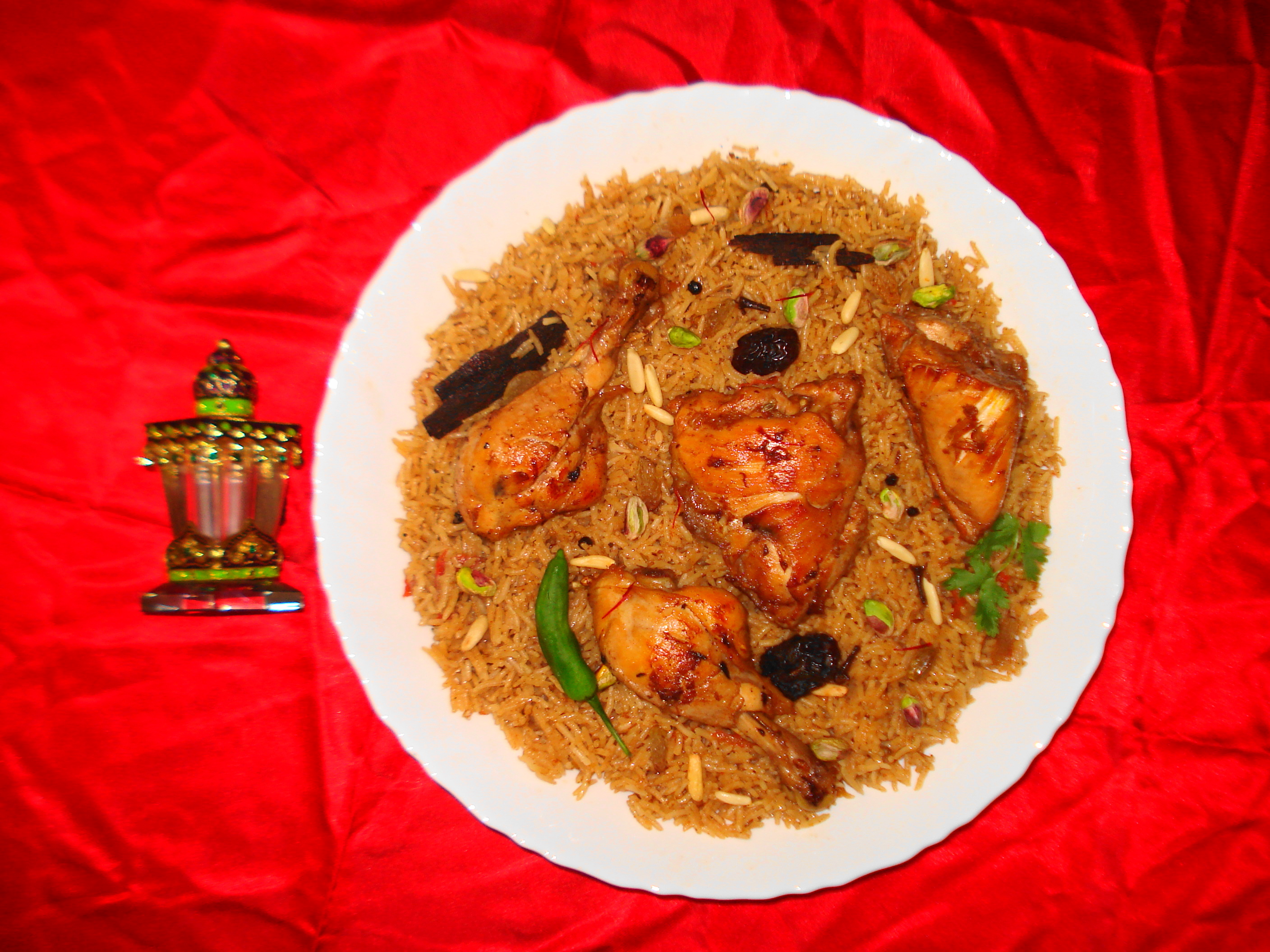
Al Machboos is one of the most iconic Emirati dishes. It’s a rich rice dish infused with local spices, such as dried limes (loomi), saffron, and sometimes rose water, paired with meat like chicken, lamb, or fish. The rice absorbs all the flavour of the meat and spices, creating a deeply comforting meal. For those staying at hotels like Avani Palm View Dubai, restaurants like La Sirene allow guests to experience scrumptious Arabian flavours with dishes like Majboos.
2. Thareed – The Emirati Stew with Bread Soaked in Broth
Thareed is a slow-cooked stew made with tender meat, vegetables, and richly flavoured broth, poured over thin, crisp Emirati flatbread called regag. It’s the kind of dish that warms the soul, especially on cooler evenings or during Ramadan. It reflects home cooking at its best.
3. Al Harees – Creamy Wheat and Meat Comfort Food
Al Harees is a slow-cooked mixture of wheat and meat (commonly lamb or chicken) cooked until very soft and creamy. It’s simple but deeply satisfying—often served on special occasions and shared during festive times. The texture is porridge-like, and because of the slow cooking, the flavours meld beautifully.
4. Shawarma – The Street-Food Classic
No list of Dubai dishes is complete without shawarma. Marinated slices of meat, cooked on a vertical spit, wrapped in flatbread with garlic sauce, pickles, and fresh veggies—sometimes served with fries or hummus. It’s fast, flavorful, versatile, and found nearly everywhere. A perfect example of dining in Dubai that bridges local taste and global familiarity.
5. Luqaimat – Sweet Golden Dumplings
Luqaimat are deep-fried dough balls—crispy on the outside and soft inside—drenched in date syrup or honey and often sprinkled with sesame seeds. They’re a beloved Emirati dessert or snack, especially during Ramadan or at food markets, offering a sweet counterpoint to the savoury dishes.
6. Camel Meat Dishes – A Taste of Tradition
While less common in everyday menus, camel meat is a traditional part of Emirati cuisine. It’s used in stews, curries, and even roasted preparations. The flavour tends to be leaner than beef, often paired with spices, rice, rich sauces, or served in large gatherings. It’s a cultural taste experience rooted in Bedouin history.
7. Al Harees Bread & Balaleet – Sweet & Savory Breakfast Tradition
Balaleet combines sweetened vermicelli seasoned with saffron and cardamom, topped with a thin omelette—blending sweet and savoury in one dish. It’s often eaten at breakfast or on special mornings. Paired with bread like Harees bread or Khameer, it offers texture and tradition. Trying these for breakfast gives you insight into how Emiratis start the day.
8. Kunafa / Knafeh – The Decadent Dessert Finale
Knafeh is a rich, layered dessert made with shredded phyllo or semolina, cheese pudding layers, drenched in sugar syrup and topped with nuts. Its aroma, texture, and sweetness make it an indulgent way to cap off a meal—or to satisfy your sweet cravings in markets or dessert shops. Perfect for soaking up the memories of a food-filled day.