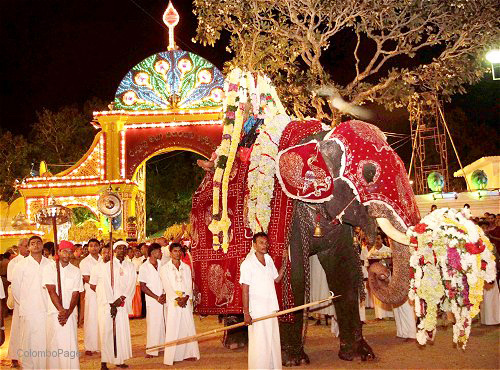
Kataragama is one of Sri Lanka’s most revered places, known as much for its spiritual energy as for its natural setting. Tucked close to wildlife reserves and age-old temples, the town offers visitors a rare mix of devotion, culture, and wild beauty.
Cultural Sites and Local Life
A visit to Kataragama is also a chance to take in vibrant local culture. Colourful shrines, bustling markets, barefoot pilgrims, ritual drumming and traditional dress create a powerful, sensory experience. Nearby temples, sacred stretches of river and forest paths are often singled out as the best places to visit in Kataragama, and wandering them gives travellers a clearer sense of the region’s history and everyday life.
Where to Stay
Staying close to the temple area makes it easy to take part in religious activities and to explore the surrounding nature. Hotels such as the Mandara Rosen Kataragama offer a comfortable base with modern amenities while still letting guests feel connected to the town’s spiritual and cultural atmosphere. After a day of sightseeing and reflection, these quiet accommodations provide a peaceful place to rest.
Spiritual Life and Sacred Traditions
Kataragama draws pilgrims from many faiths — Buddhists, Hindus, Muslims and indigenous Vedda communities all come here to worship. The Kataragama Temple Complex, dedicated to Lord Murugan (Skanda), becomes especially lively during the annual Esala Festival, when processions, offerings and rituals fill the streets. Even outside festival times, the everyday practices and ceremonies give the town a strong sense of devotion and shared tradition that many visitors find moving.
Nature and Wildlife Nearby
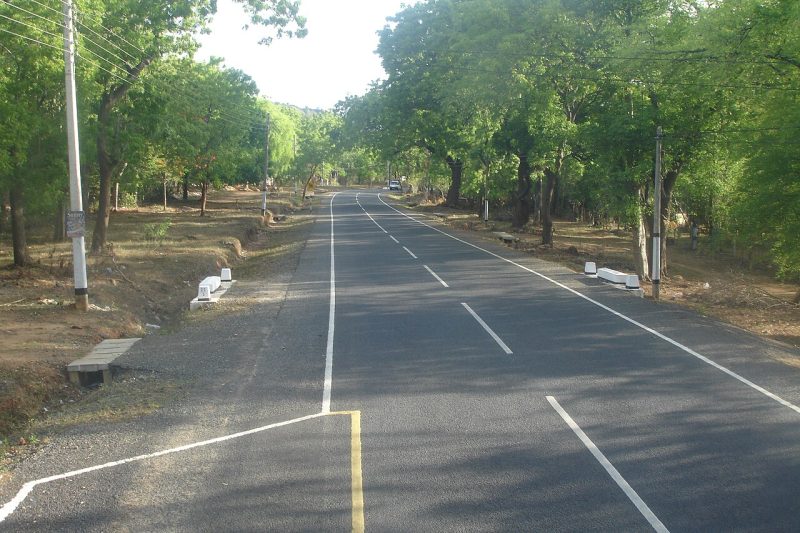
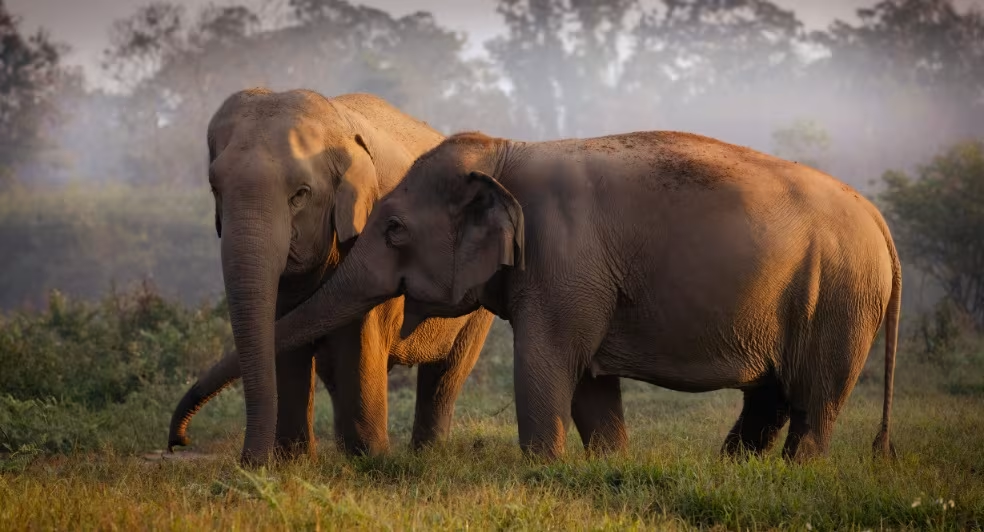
Beyond the temples, Kataragama sits amid remarkable natural landscapes. It’s close to Yala and Lunugamvehera national parks and surrounded by jungle where elephants, crocodiles, a wide variety of birds and other wildlife can be seen. The Menik Ganga River runs through the area and is important for both religious rituals and the local ecosystem. The combination of spiritual sites set against wild, living landscapes is a big part of the town’s appeal.