

Krabi is famous for its wide variety of foods, which are influenced by southern Thai traditions, fresh seafood, and strong flavours. Part of the travel experience is trying new foods, but knowing the basics of food safety and allergy awareness can help visitors enjoy their meals more.
1. Learn about the common ingredients used in Southern Thai cooking
Many of the foods served in Krabi may have ingredients in them that can cause allergic reactions, like peanuts, shellfish, shrimp paste, fermented fish, and coconut milk. Southern Thai food often uses thick curry pastes and sauces that are made ahead of time. This can make it hard to get rid of allergens after the food is cooked. Knowing what common ingredients are used in popular dishes like massaman curry, tom yum, and pad Thai helps travellers spot possible problems before they order.
2. Use Clear Allergy Cards or Written Translations
It can be hard to explain food allergies correctly when people speak different languages. One of the best ways to let people know what you can and can’t eat is to carry an allergy card in Thai that lists the exact ingredients you need to avoid. This method works well in small local restaurants and street food stalls where people may not speak English very well. Using simple, direct language makes things less confusing and helps staff make sure that a dish can be made safely.
3. Choose Busy and Well-Maintained Dining Locations
Food outlets with a steady flow of customers often follow better hygiene practices, as ingredients are replenished frequently and meals are prepared fresh. Clean preparation areas, proper food storage, and visible handwashing habits are useful indicators of good food safety standards. Dining venues within established Krabi resorts often follow international guidelines, making them a dependable choice for travellers who prefer added reassurance while still enjoying local cuisine.
4. Ask About Preparation Methods, Not Just What is Put in
People who use the same utensils, grills, or cooking oil for more than one dish often worry about cross-contamination. Asking how food is made can help you figure out if allergens might be added during cooking. Fried foods may use the same oil as seafood, and sauces may be mixed with shrimp paste or peanuts ahead of time. Knowing how the food is prepared can be just as important as knowing what ingredients are on a menu.
5. Be Selective When Eating Street Food
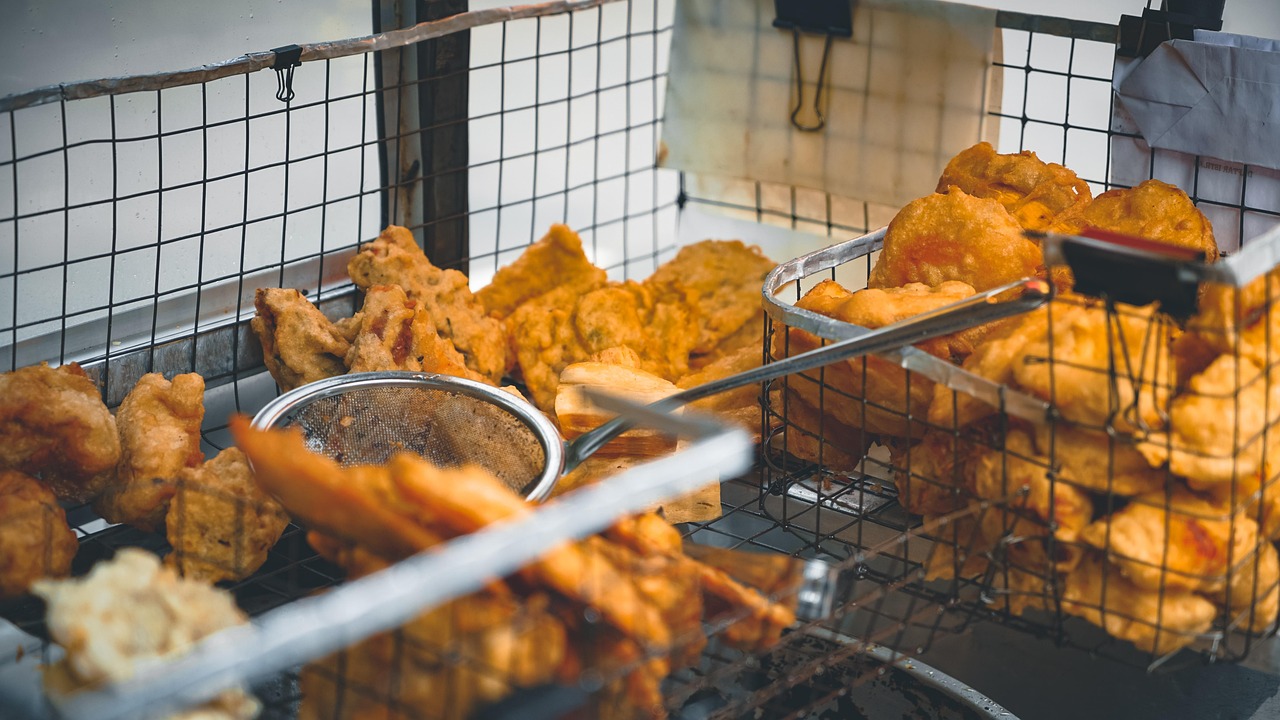
Street food is a popular part of Krabi’s dining scene, but travellers with allergies should choose carefully. Stalls that cook food to order and serve it hot are generally safer than those where dishes sit uncovered for long periods. Raw or lightly cooked seafood dishes increase the risk of allergic reactions and foodborne illness. Selecting freshly prepared meals reduces these risks while still offering an authentic local experience.
6. Inform Accommodation Staff Ahead of Arrival
For travellers with severe allergies, notifying accommodation staff in advance can help prevent problems during meals. Properties such as Avani+ Koh Lanta may accommodate dietary requirements when informed early, allowing kitchen teams to take appropriate precautions. Hotel staff can also recommend nearby restaurants that are known for being allergy-friendly. This gives travelers more confidence when planning their meals.
7. Carry Medication and Be Aware of Emergency Facilities
Even with careful planning, accidental exposure can occur. Travellers are advised to carry prescribed medication such as antihistamines or an EpiPen at all times and keep it easily accessible. Knowing the location of nearby hospitals or medical clinics is particularly important when visiting islands or remote areas around Krabi. Being prepared allows visitors to focus on enjoying their dining experiences with less anxiety.