The Maldives is renowned for its luxurious hospitality, unique island scenery, and bespoke guest experiences. Here are five helpful tips for first-time visitors to keep in mind when planning your flights, budget, accommodation, and activities across the islands.
1. Island Geography
The Maldives is made up of nearly 1,200 low-lying coral islands spread across the Indian Ocean. Most visitors stay on one island for their entire trip, as travel between islands usually involves speedboat or seaplane transfers. Distances may look short on a map but can mean long travel times and added costs.
When booking your stay, it is always a good idea to check transfer options and transfer schedules. Late-night international arrivals may require an overnight stay in Malé if seaplanes are your only transfer option.
2. Luxury Travel in The Maldives
In the Maldives, luxury is all about privacy, space, and a personal touch. Many islands have just one resort, which means you get a special feel that is hard to find anywhere else. Guests usually arrive by speedboat or seaplane, and getting around is often part of the fun. The resorts are designed to look like they are part of the natural surroundings, but they also have all the modern comforts and efficient service.
When it comes to finding the best luxury resort in the Maldives, travellers are looking for a place that is reliable, private, and has well-thought-out guest plans. High-end resorts usually provide around-the-clock assistance, tailored trips, and flexible dining options. This way, guests can enjoy their stay at their own pace without feeling rushed.
3. The Difference Between Resort Islands and Local Islands
The Maldives has two main visitor experiences: private resort islands and inhabited local islands. Resort islands are self-contained and typically offer full services, while local islands provide guesthouse stays, home-stays, and budget hotels with access to local life.
Local islands follow Maldivian law, meaning alcohol is not available and a modest dress code is expected outside designated tourist beaches. Understanding this difference helps avoid mismatched expectations when planning your stay.
4. Costs Add Up Quickly
While flights and accommodation are the main expenses, transfers, food, and outings significantly affect your budget. Seaplane transfers alone can sometimes cost as much as a short international flight.
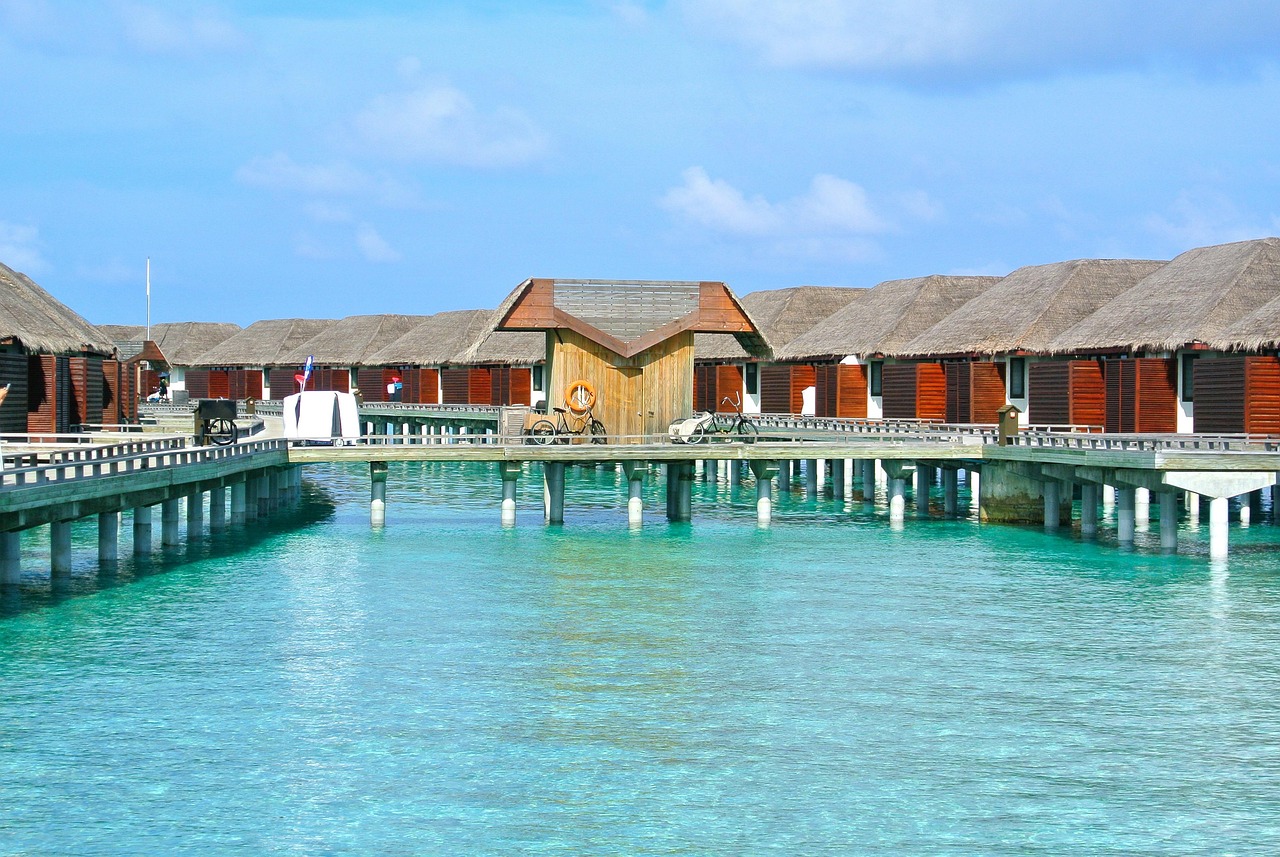
If staying in a Maldives water villa with private pool, such as those found at resorts like Baros Maldives, it is important to factor in meal plans, activity costs, and transfer fees before confirming your booking.
5. Predicting the Weather
The Maldives has two main seasons: the dry season, which runs from December to April, and the monsoon season, from May to November. The dry season is the most popular time to visit, but it can also be pricier. During the monsoon months, you might experience some rain, but it usually does not last for very long.
Water activities and sports such as snorkelling, diving, and sandbank visits are possible year-round, depending on ocean conditions and daily forecasts.
6. Choosing the Right Island
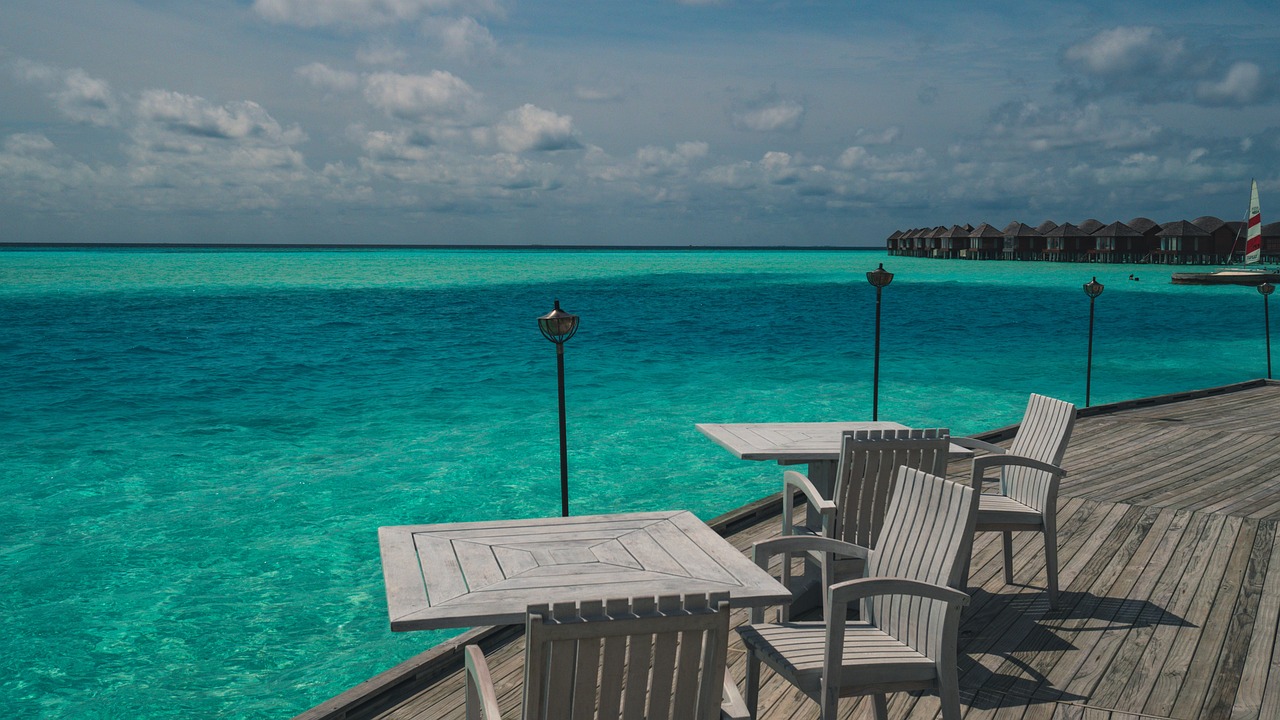
Each island has its own unique charm. Some are all about diving, while others offer a peaceful escape. Many resorts on the archipelago are family-friendly, so a holiday to the islands is a great way to unwind. Your choice of island or resort should depend on whether you prioritise accessibility, water activities such as snorkelling, choice of dining options, or accommodation style.