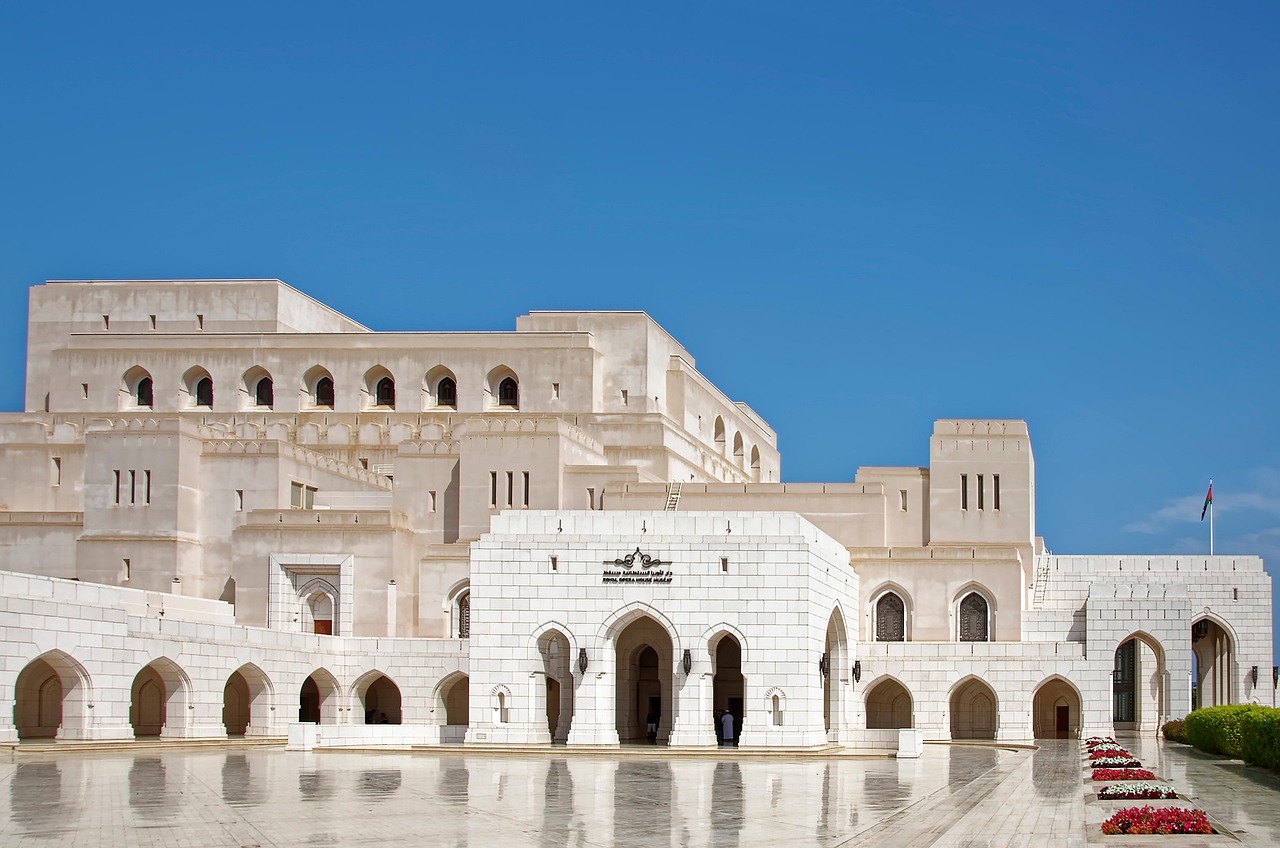
There’s a reason this Gulf Nation is called the “Land of Forts”. Oman’s landscape is dotted with majestic forts and castles that stand as enduring symbols of the country’s rich history and architectural brilliance. Built to defend trade routes, cities, and oasis settlements, these structures offer travellers a fascinating glimpse into Oman’s past. Discover its stories and enduring legacies.
Al Hazm Castle
Al Hazm Castle is renowned for its impressive size and strong defensive design. Featuring thick walls, secret passages, and cannon towers, the fort reflects Oman’s strategic military architecture, with roots dating back to a pre-Islamic era. Its beautifully restored interiors and wooden ceilings offer insight into the craftsmanship of the era.
Rustaq Castle
Rustaq Castle, one of Oman’s oldest fortresses, combines military strength with royal residence elements, found along the iconic Rustaq Loop. Tall watchtowers and hot springs nearby highlight its importance as both a defensive stronghold and a centre of governance.
Al Mintarib
Located half an hour from Desert Nights Resort, Al Mintarib Fort is known for its square design and robust walls, built to guard surrounding villages. Though smaller in scale, it plays an important role in demonstrating local defensive architecture and rural fort life, just minutes from your Oman desert camp stay.
Nizwa Fort
Nizwa Fort is among Oman’s most famous landmarks. Its massive circular tower and panoramic views over the city showcase advanced defence strategies, reflecting Nizwa’s historic role as a major trading and religious centre. Be sure to visit the bustling souq in its courtyard, with vendors selling pottery, antiques, and more.
Bahla Fort
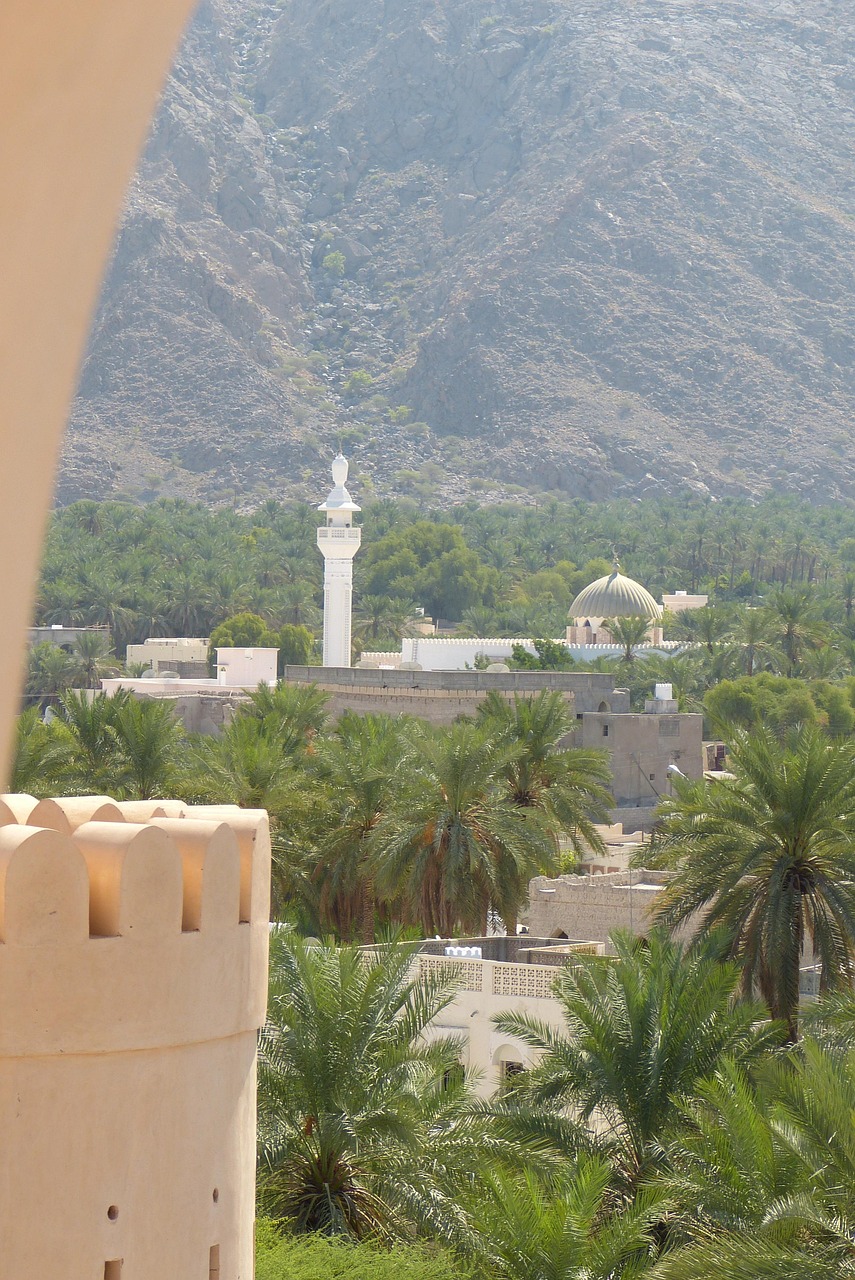
A UNESCO World Heritage Site, the Bahla Fort is Oman’s most iconic fortress. Its vast mud-brick walls and towers tell stories of medieval Omani civilisation and architectural mastery, standing as one of the largest forts in the country. Beyond its size, this mysterious fort is shrouded in stories of the paranormal, with some even believing the fort to have been constructed by a ‘Jinn’ itself.