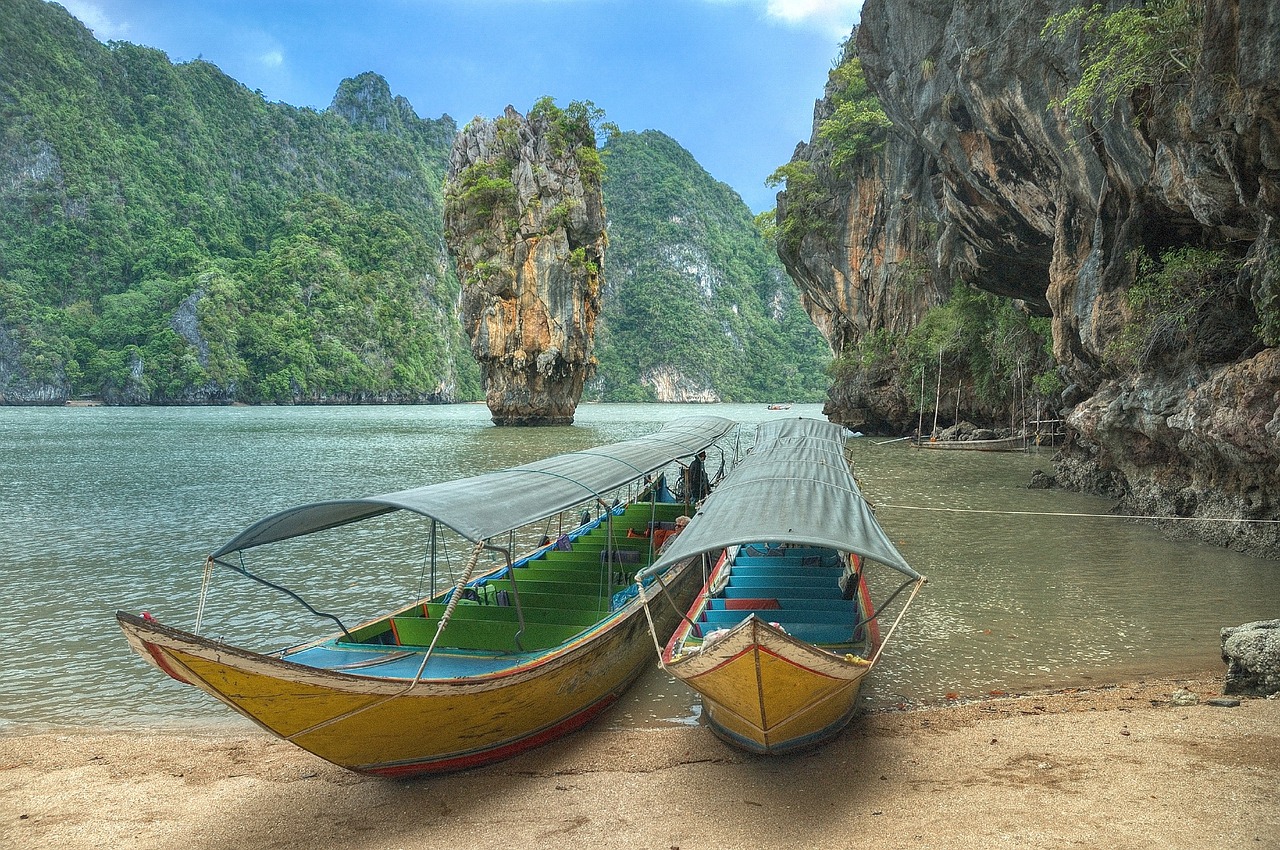
Phang Nga Bay is one of Phuket’s most striking natural wonders, known for its towering cliffs and calm emerald water. This guide offers a simple look at what makes the bay unforgettable and how to enjoy it at its best.
Quiet Waters and Limestone Formations
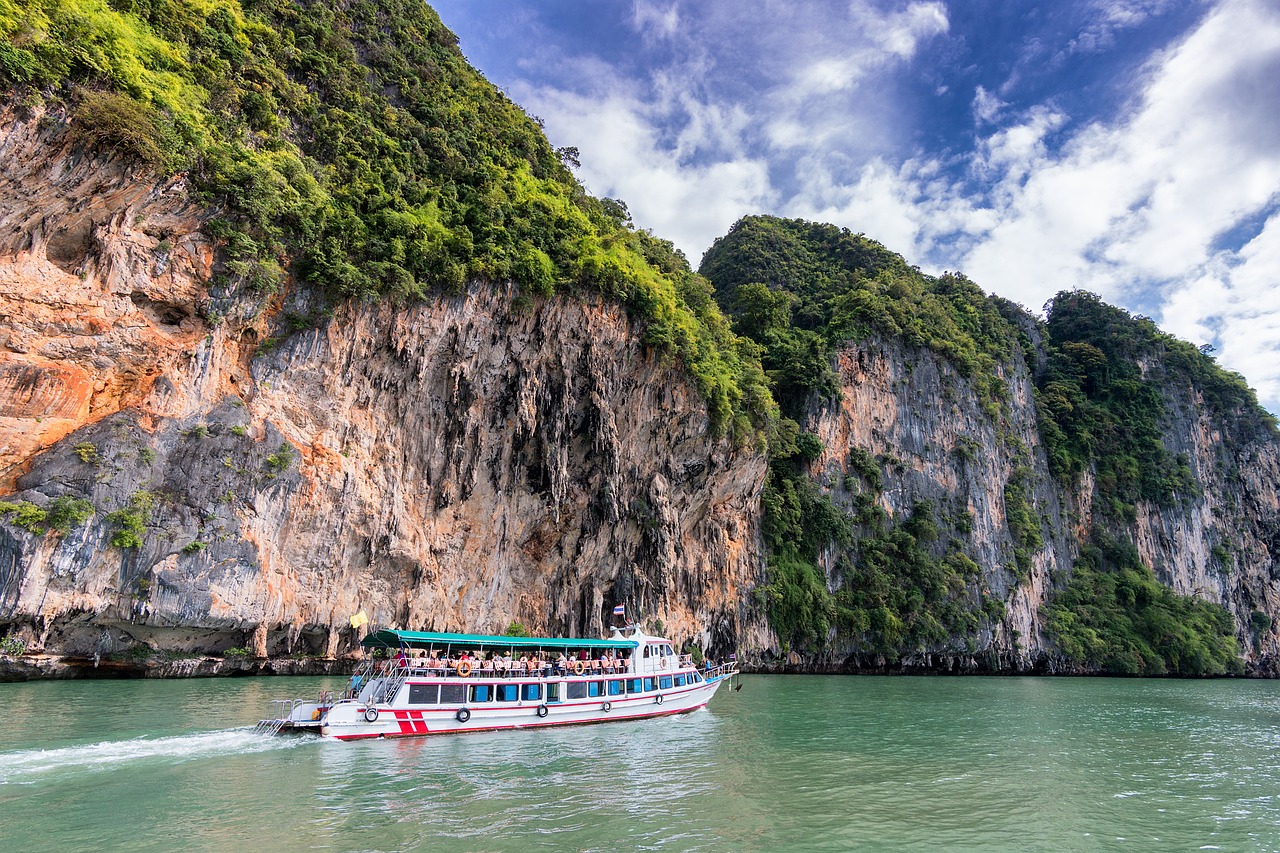
Phang Nga Bay is famed for its smooth, sheltered waters and dramatic karst scenery, making it ideal for travellers staying anywhere from coastal resorts to a Phuket City Hotel. The limestone towers rise sharply from the sea, creating a surreal landscape that feels both grand and peaceful. Many visitors enjoy slow boat rides that glide between these rock formations, offering uninterrupted views and brilliant photo opportunities. Wildlife such as sea eagles and small reef fish are often spotted along the way, adding to the bay’s natural charm.
Exploring Caves and Hidden Lagoons
One of the most memorable ways to experience the bay is by joining a guided canoe trip through its sea caves and inner lagoons. Guests staying at NH Boat Lagoon Phuket Resort often choose tours that lead through narrow passages, where the sound of paddles echoes against stone walls. Inside these sheltered spaces, travellers find calm pools, mangrove roots, and an almost untouched atmosphere. The mixture of gentle adventure and quiet surroundings creates a refreshing escape from busy urban areas.
James Bond Island Experience
Khao Phing Kan, widely known as James Bond Island, remains one of the bay’s standout attractions. Its slender limestone stack, Ko Tapu, is instantly recognisable and draws visitors interested in film history as well as scenic beauty. Local guides share insights into the area’s geology and the effects of tides, helping travellers appreciate the site beyond its cinematic fame.
Local Life and Island Communities
Floating villages such as Koh Panyee offer a glimpse into traditional coastal living. Built entirely on stilts, the village features family-run eateries, craft stalls, and a school positioned above the water. Visitors can enjoy freshly prepared seafood, observe daily routines, and understand how these communities have adapted to life surrounded by the sea.