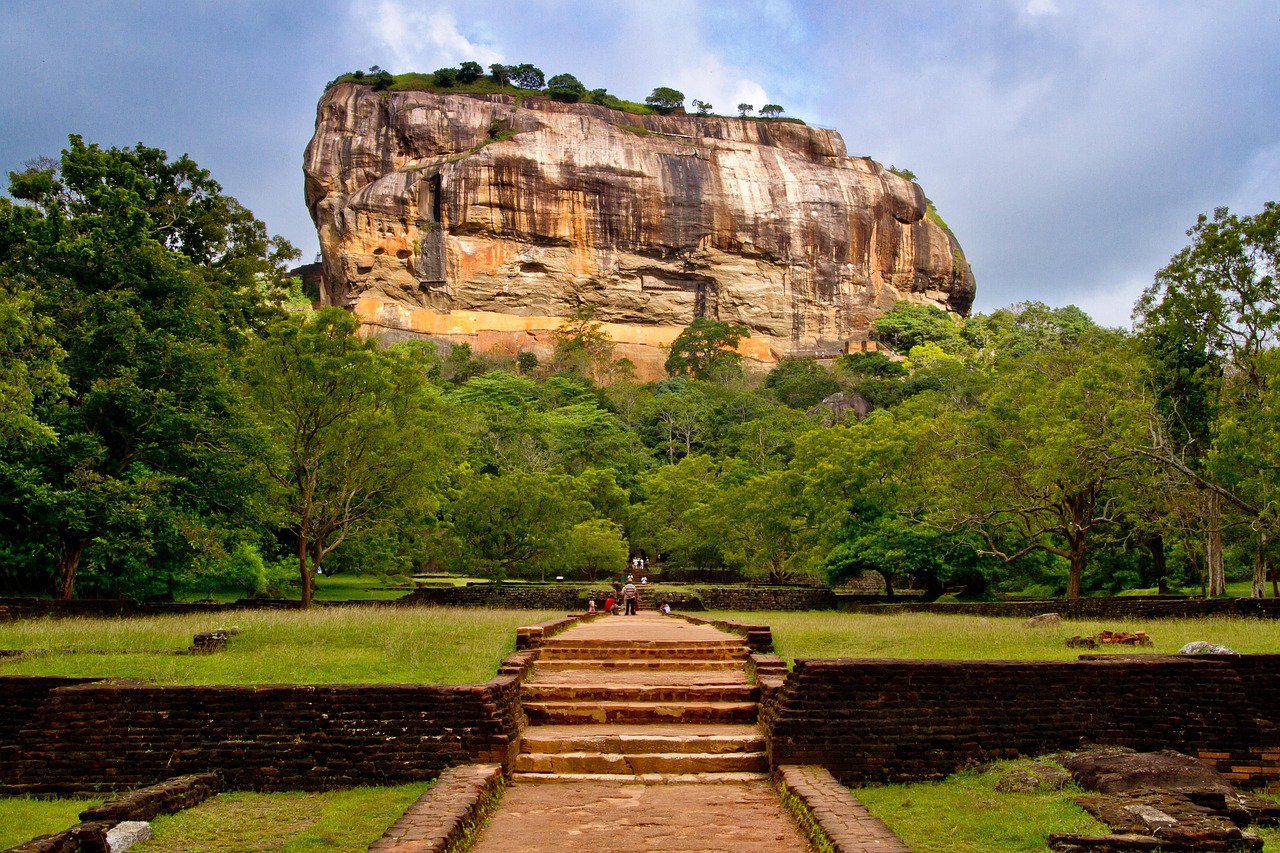
Rising dramatically from the central plains of Sri Lanka, the Sigiriya rock fortress is a breathtaking marvel of ancient engineering and artistry. Known as the ‘Lion Rock,’ this UNESCO World Heritage Site is more than just a ruin; it is a captivating puzzle that continues to intrigue archaeologists and travellers alike.
A Palace in the Sky
The ascent to the summit is a journey through different layers of history. King Kasyapa chose this 200-meter-high monolith to build his impregnable capital, complete with palace complexes, reservoirs, and gardens at its peak. Reaching the top rewards you with stunning panoramic views and a sense of awe for the sheer willpower required to construct a royal citadel in such a challenging location. This wonder can clearly be seen from a Sigiriya hotel that also takes inspiration from the historic architecture of this palace. To fully absorb the atmosphere of this archaeological wonder, consider staying at a nearby Water Garden Sigiriya.
The World-Famous Sigiriya Frescoes
Partway up the rock, sheltered within a protected alcove, you find the renowned Sigiriya Frescoes. These ancient paintings of celestial maidens, known as ‘Apsaras,’ are remarkable for their vibrant colours and graceful forms. Despite centuries of exposure, they remain a stunning example of classical Sinhalese art, offering a glimpse into the sophisticated culture and aesthetic sensibilities of the era.
The Mirror Wall and Ingenious Engineering
The ingenuity of Sigiriya extends to features like the highly polished ‘Mirror Wall,’ which was so reflective that the king could see himself as he walked alongside it. The complex ancient water management system, which still channels water through the upper palace gardens, further highlights the advanced engineering skills of its builders.
The Legend of the Lion’s Gate
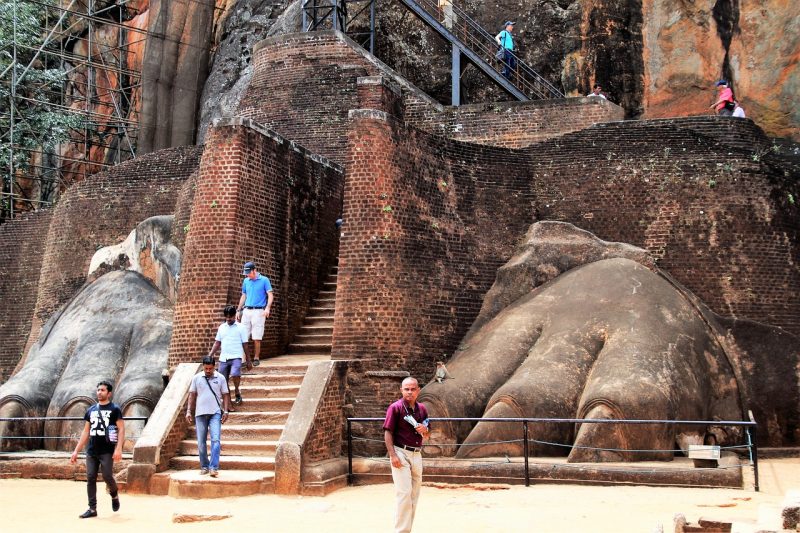
The name ‘Sigiriya’ translates to ‘Lion Rock,’ a title derived from the massive brick and plaster lion that once guarded the final entrance to the summit. Today, only the colossal paws remain, but they are powerful enough to ignite the imagination. Climbers originally passed through the lion’s mouth, a symbolic and intimidating gateway designed to project the king’s immense power and divine authority.